Saying No Gracefully
Understanding Assertiveness
What is Assertiveness?
Have you ever agreed to do something you didn't have time for, just to avoid saying no? Or maybe you've stayed quiet in a meeting when you had a great idea, worried about what others might think. These situations are common, and they often stem from a desire to be liked and to avoid conflict. But consistently putting others' needs before your own can lead to stress and resentment.
This is where assertiveness comes in. It’s the sweet spot in communication. It's about expressing your own needs, thoughts, and feelings clearly and respectfully, while also considering the needs and feelings of others. It’s not about being pushy or demanding; it’s about being honest and direct.
Assertiveness
noun
The quality of being self-assured and confident without being aggressive. In communication, it is the ability to express one's feelings, opinions, beliefs, and needs in a direct, honest, and appropriate way.
Being assertive is a cornerstone of healthy relationships, both at work and in your personal life. It allows you to set boundaries, decline requests you can't meet, and advocate for yourself. When you communicate assertively, you show respect for yourself and the person you're talking to. This builds trust and mutual understanding, preventing the kinds of misunderstandings that can damage connections.
Assertiveness is expressing your thoughts, feelings, and needs openly while respecting others’ rights.
Communication Styles
Assertiveness is just one way people communicate. To really understand it, it helps to compare it with two other common styles: passive and aggressive.
Each style reflects a different way of handling the balance between your own needs and the needs of others. Most people use a mix of these styles depending on the situation, but often lean toward one more than the others.
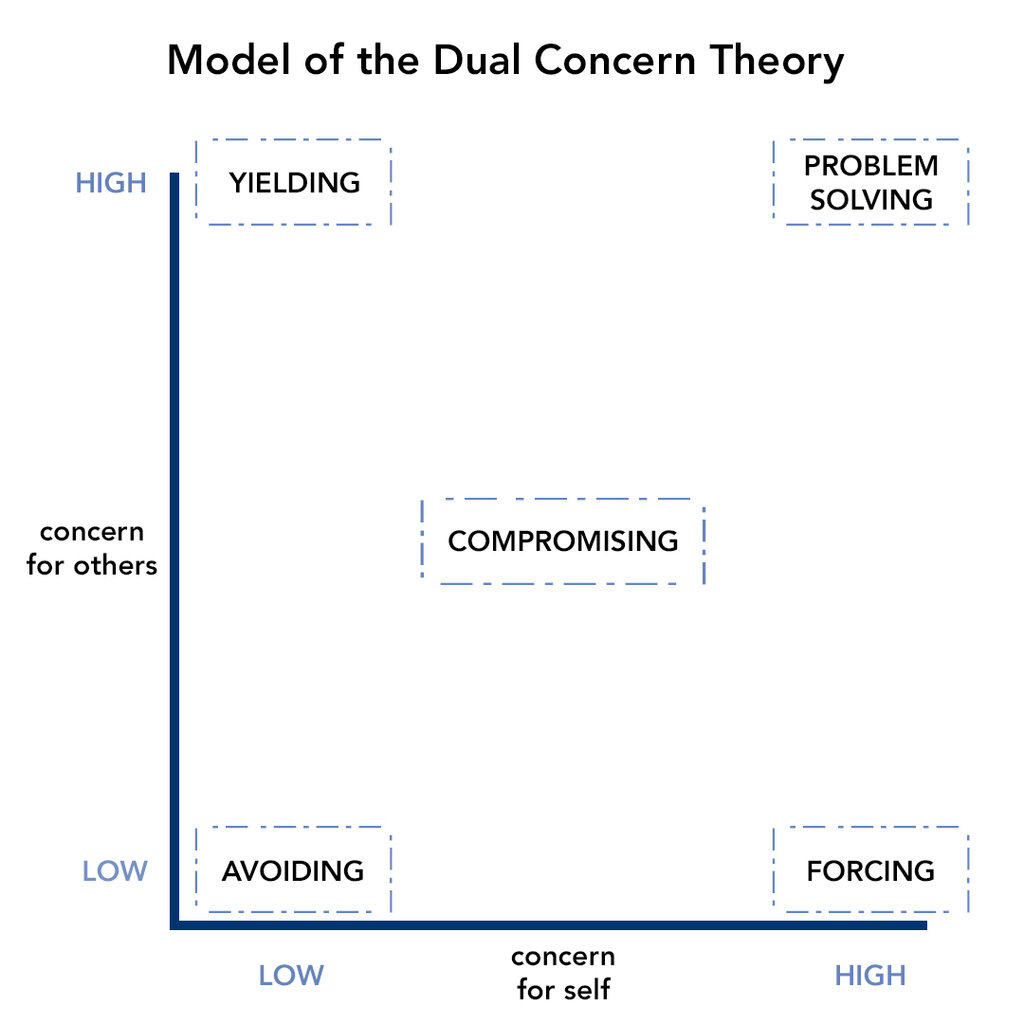
Let’s break them down.
-
Passive communication is when you put others' needs ahead of your own. You might avoid saying what you think or feel, agree to things you don't want to do, or apologize frequently. The goal is to avoid conflict and please others, but it often leads to feeling unheard or taken for granted.
-
Aggressive communication is the opposite. It's expressing your needs without regard for others. This can involve speaking loudly, interrupting, blaming, or using intimidation. While it might get you what you want in the short term, it damages relationships and creates resentment.
-
Assertive communication strikes a balance. You state your needs and opinions, but you do it in a way that is respectful and collaborative. It's about finding a solution that works for everyone, not just winning an argument.
| Style | Your Needs | Others' Needs | Underlying Belief | Outcome |
|---|---|---|---|---|
| Passive | Ignored | Prioritized | "Your needs matter more than mine." | Resentment, loss of self-esteem |
| Aggressive | Prioritized | Ignored | "My needs matter more than yours." | Conflict, damaged relationships |
| Assertive | Valued | Valued | "We both have needs that matter." | Mutual respect, problem-solving |
The Core Components
So, what does it take to be assertive? It isn't a single skill but a combination of a few key elements working together. Think of it as a mindset that influences how you carry yourself and interact with the world.
Let’s look at each of these components.
1. Clear and Honest Communication: This is about using straightforward language. Instead of hinting at what you want, you state it directly. This involves using "I" statements to express your feelings and needs without blaming others. For example, saying "I feel overwhelmed with my current workload" is more assertive than saying "You're giving me too much work."
2. Self-Confidence: Assertiveness is built on a foundation of self-respect. It means you believe your thoughts, feelings, and needs are valid and important. This doesn't mean you think you're always right, but it does mean you have the right to express yourself and be heard.
3. Respect for Others: This is what separates assertiveness from aggression. While you stand up for yourself, you also listen to and acknowledge the other person's perspective. You recognize that they have rights and needs, too. The goal is to find a solution that respects everyone involved, not just to win.
Assertiveness is the art of being yourself without being a jerk about it. It’s about finding the balance between your needs and the needs of those around you.
Understanding these ideas is the first step. Now, let's check your knowledge.
Which of the following best describes assertive communication?
Your coworker asks you to take on an extra task, but your schedule is already full. What is an assertive response?
By understanding what assertiveness is and what it isn't, you're building a foundation for stronger, more honest communication in every part of your life.