Saxophone Playing
Airflow Physics
Mastering the Saxophone Sound
Producing a beautiful, resonant tone on the saxophone is far more than just blowing air; it is a dynamic conversation between your breath and the instrument's physics. This chapter explores how your reed functions as an oscillating valve and why finding the perfect air pressure is the secret to unlocking a stable, professional sound. By the end, you will understand how to actively shape your airstream to interact with the saxophone as a resonator, allowing you to move beyond basic notes and into true tonal control.
The Reed as a Gatekeeper
To understand how a saxophone sings, we have to look at its fundamental architecture. In the world of physics, the saxophone is classified as a , closed-end resonator. While the bell end is clearly open to the room, the mouthpiece end is effectively closed by the presence of the reed and your own mouth. This setup creates a unique environment where air pressure can build up and release in a controlled, rapid-fire cycle.
When a player blows into the reed, the two pieces vibrate against one another, acting as a valve that chops the airstream into a pulsating flow.
Think of the reed not as a static piece of wood, but as a caught in a gale. When you blow, the air rushing through the tiny gap between the reed and the mouthpiece creates a drop in pressure that pulls the reed shut. Once shut, the air pressure behind it builds up until it forces the door back open. This happens hundreds of times per second, turning your steady breath into a series of rapid air pulses. This is the definition of an oscillating valve, and it is the heartbeat of your sound.
Finding the Goldilocks Zone
Mastering this valve requires finding a very specific amount of air pressure, often called the Goldilocks zone. If you blow too softly, the reed doesn't have enough energy to fully engage. You'll hear more air than note, a thin and frustrating hissing sound. This is the sound of air escaping without being properly 'chopped' by the reed valve. You aren't providing enough signal for the instrument to process.
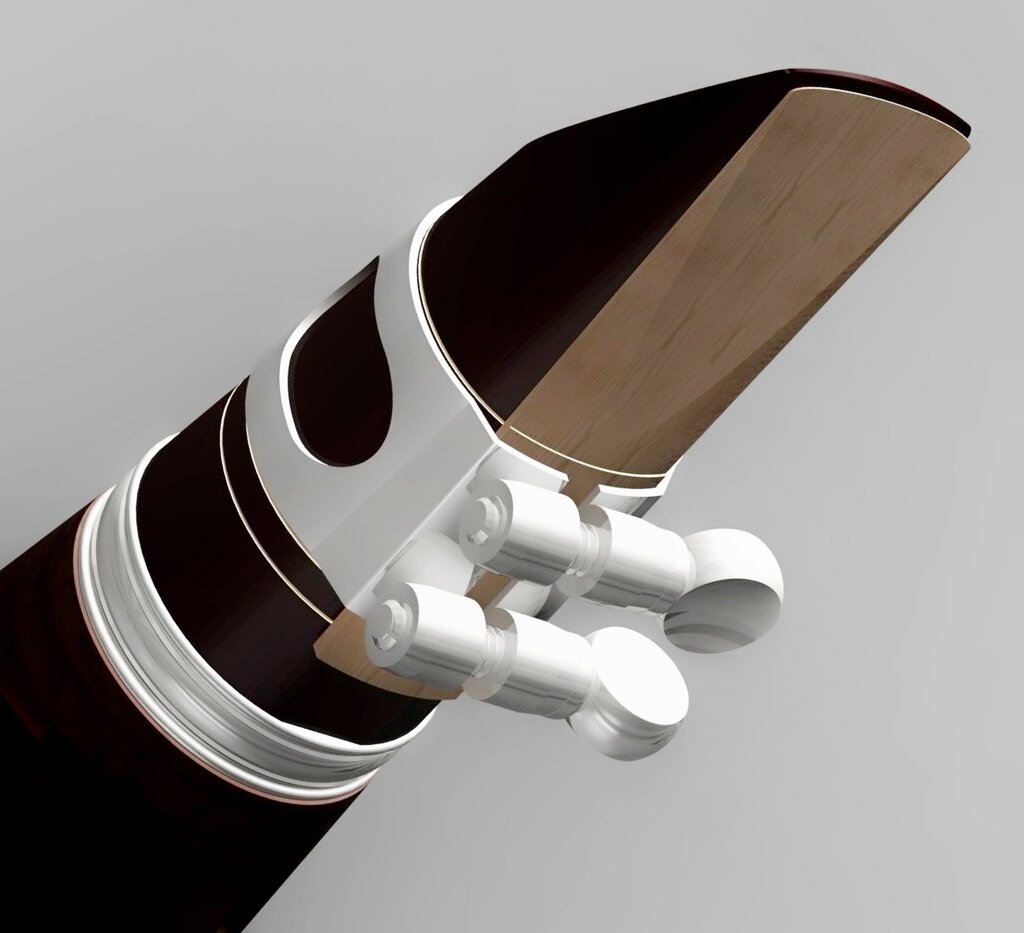
On the flip side, if you blast air with too much force or bite down too hard, you encounter the 'choke.' This happens when the air pressure or physical force is so high that the reed is pinned against the mouthpiece and stays there. The swinging door is effectively slammed shut and locked. You will feel a sudden, stiff resistance in your throat and lungs as the air has nowhere to go. A professional sound exists in the balance between these two extremes, where the reed is free to displace just enough to vibrate without collapsing.
The Body as an Active Filter
Once the reed creates that pulsating flow of air, the body of the saxophone takes over. It is a mistake to think of the brass tube as a passive pipe. Instead, think of it as an active acoustic filter. The pulses coming from the reed are messy and contain many different frequencies. The length of the tube, determined by which keys you press, chooses which of those frequencies to amplify and which to kill off.
When you play, your breath isn't just a power source like a battery in a flashlight; it is a dynamic input signal. By adjusting the speed and pressure of your air, you are feeding the 'filter' different data to work with. This perspective shift is vital. You aren't just blowing through a tube; you are generating a vibration that the saxophone then shapes into music. Understanding this relationship is the first step toward achieving a tone that feels alive and responsive.