Savvy Used Car Buying
Understanding Used Car Inspection
Before You Buy
Buying a used car can be a smart move, but a shiny exterior can hide serious problems. A thorough inspection is your best defense against unexpected, expensive repairs down the road. It helps you understand the car's true condition, not just the story the seller tells you.
Think of yourself as a detective. Your goal is to uncover clues about the car's past life. This initial check won't replace a professional mechanic's opinion, but it will help you quickly weed out cars that aren't worth your time or money.
Before you even get behind the wheel for a test drive, thoroughly inspect a used car for damage, rust, leaks, and other points of concern.
The Exterior Walk-Around
Start by walking around the car in good daylight. Rain and dim lighting can easily hide flaws.
First, check the body panels. Look for dents, dings, and deep scratches. Pay close attention to the gaps between panels, like where the door meets the fender. Are they even and consistent on both sides of the car? If a gap is wide or crooked, it could be a sign of a poorly repaired accident.
Next, examine the paint. The color should be uniform across the entire car. Look for areas where the paint seems a slightly different shade or doesn't reflect light the same way. This often indicates that a section has been repainted. Also, check for signs of rust, especially around the wheel wells, along the bottom of the doors, and on the rocker panels below the doors. Surface rust can be minor, but bubbling paint or holes are major red flags.

Inside the Cabin
Open the door and take a deep breath. Does it smell musty or like mildew? This could point to a water leak. A strong air freshener scent might be trying to cover up something unpleasant, like smoke or pet odors.
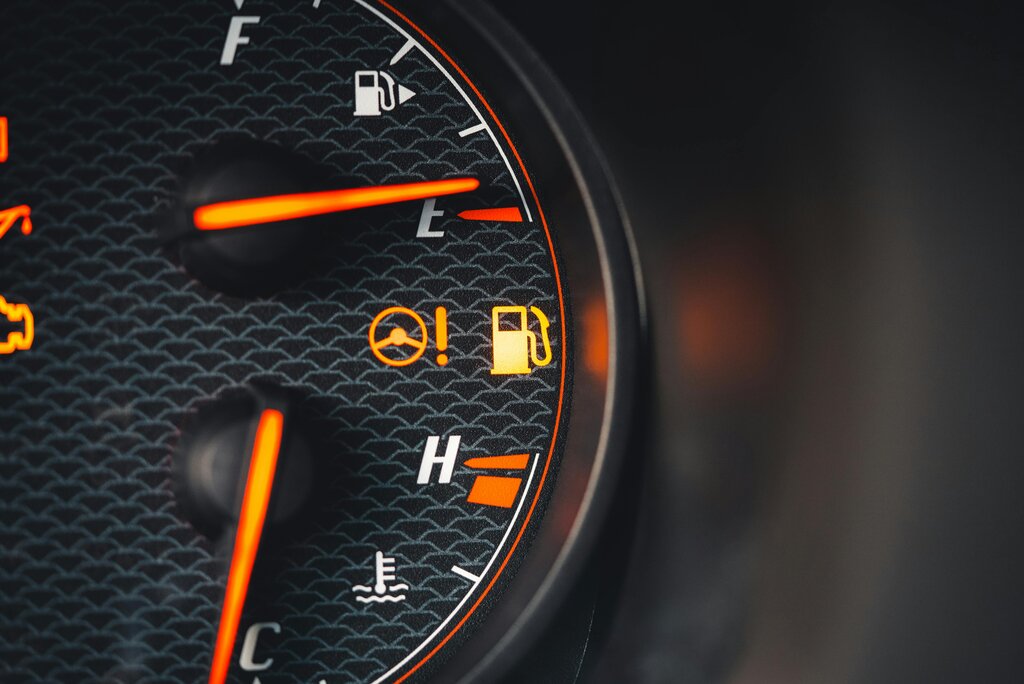
Check the condition of the upholstery on the seats and ceiling for rips, stains, or excessive wear. A very worn driver's seat in a car with low mileage might suggest the odometer has been tampered with. Test all the electronic controls: windows, locks, mirrors, radio, and air conditioning. Make sure every button and switch does what it's supposed to do. Don't forget to check the dashboard for any warning lights that stay on after the car is started.
Under the Hood and Underneath
You don't need to be a mechanic to spot obvious issues in the engine bay. With the engine off and cool, pop the hood. Look for any signs of fluid leaks. Dark, oily stains on the engine block or puddles forming underneath are bad signs. Check the condition of the belts and hoses. They should be firm and free of cracks or fraying.
Next, check the fluids. The engine oil dipstick should show oil that is brownish, not black and gritty. The coolant in its reservoir should be either greenish or reddish-orange, not rusty or milky.
Finally, take a look under the car. Use a flashlight if you need to. You're looking for the same things: rust and leaks. Check the frame and suspension components for excessive corrosion. Look at the exhaust system for any holes or severe rust. Any drips coming from the engine, transmission, or axles are cause for concern.
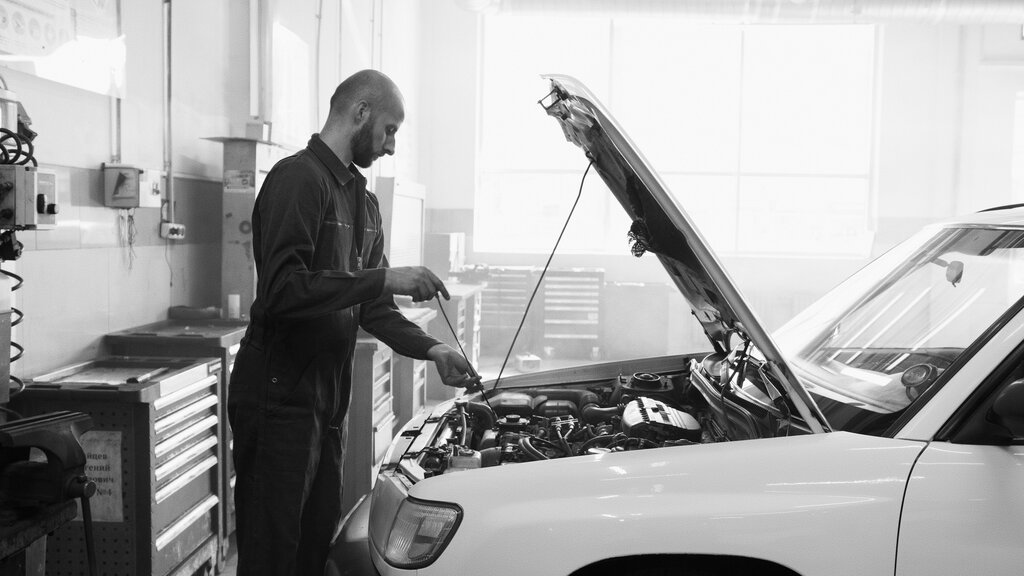
A personal inspection is a powerful first step. If a car passes your initial checks, the next move is often a test drive and a pre-purchase inspection by a trusted professional. They can confirm your findings and spot problems you might have missed.