Saudi Universities in Space Funding
Saudi Space Sector Overview
A Kingdom's Reach for the Stars
For decades, Saudi Arabia's identity has been tied to the vast oil reserves beneath its desert sands. Now, the Kingdom is looking in a new direction: up. Space is no longer just a realm for superpowers; it's a critical frontier for nations with bold ambitions. Saudi Arabia's journey into space is a key part of its plan to build a future that's as rich in technology and innovation as it is in natural resources.
This cosmic ambition is woven into a grand national strategy called Saudi Vision 2030. At its core, Vision 2030 is a roadmap to diversify the country's economy beyond oil, create new industries, and provide high-skilled jobs for its young population. Investing in a space program fits perfectly into this plan. It stimulates technological advancement, inspires students to pursue science and engineering, and positions the Kingdom as a major player on the global stage.
The Saudi Space Agency
To turn these ambitions into reality, the Kingdom needed a guiding hand. For years, space-related activities were spread across different government and research institutions. In 2018, that changed with the establishment of the Saudi Space Commission, which was later renamed the Saudi Space Agency (SSA) in 2023.
The SSA acts as the central nervous system for the country's entire space sector. Its job is to set the national strategy, develop regulations, and oversee all space activities. Think of it as the mission control for Saudi Arabia's goals, ensuring that all efforts—from satellite development to astronaut training—are aligned and moving in the same direction.
The agency's mission is to shape a secure and sustainable future by harnessing space to improve life on Earth for generations to come.
By creating the SSA, Saudi Arabia sent a clear signal. It was no longer just participating in space; it was building a cohesive, long-term program designed to achieve specific economic and strategic objectives.
Milestones and Missions
Saudi Arabia's history in space began long before the SSA. The Kingdom's first astronaut, Prince Sultan bin Salman Al Saud, flew aboard the Space Shuttle Discovery in 1985, becoming the first Arab, Muslim, and royal to journey into orbit. This early mission was a moment of national pride and planted a seed for future aspirations.
Over the following decades, the country developed and launched numerous satellites, primarily for communications and Earth observation, through its research hub, the King Abdulaziz City for Science and Technology (KACST). These projects helped build crucial domestic expertise.
More recently, the pace has accelerated dramatically. A landmark moment came in 2023 with the launch of the AX-2 mission. This private spaceflight sent two Saudi astronauts, Rayyanah Barnawi and Ali AlQarni, to the International Space Station. Barnawi made history as the first Arab woman in space. During their time on the ISS, they conducted a series of scientific experiments, signaling a shift from just sending people to space to actively conducting research there.
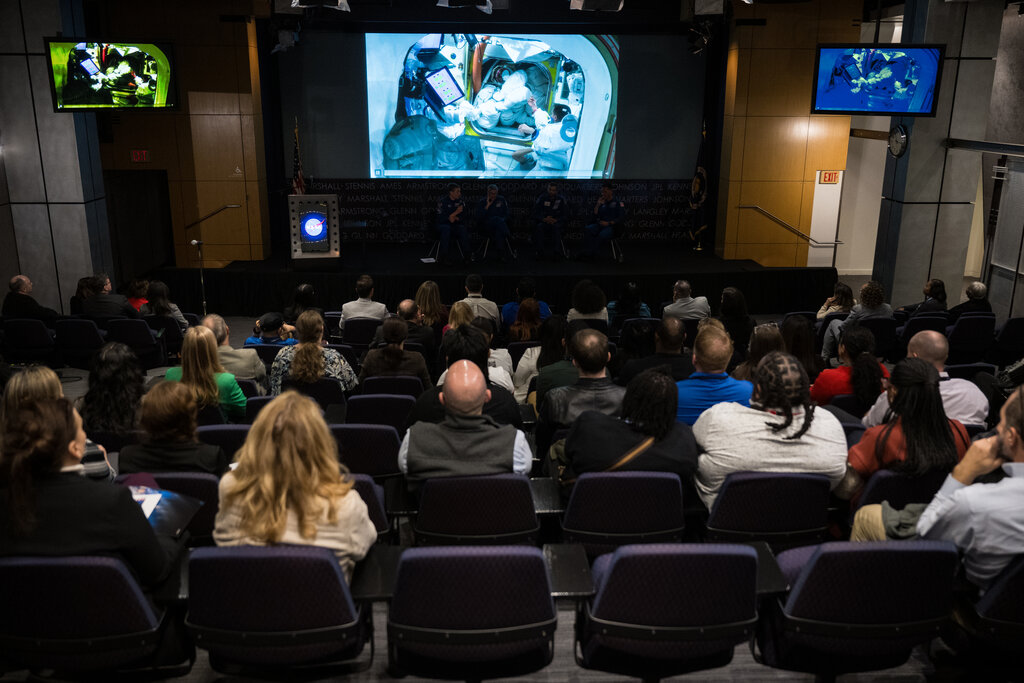
Beyond human spaceflight, the Kingdom is also expanding its satellite capabilities and forging international partnerships. It has signed the Artemis Accords, a U.S.-led agreement for cooperation in lunar exploration, and is working with countries like China on future moon missions. These collaborations provide access to advanced technology and shared knowledge, speeding up the development of Saudi Arabia's own space ecosystem.
Ready to check your understanding?
What is the primary strategic goal driving Saudi Arabia's investment in its space program?
What is the main function of the Saudi Space Agency (SSA)?
From developing national strategy to launching astronauts, Saudi Arabia is rapidly building a comprehensive space program designed to secure its future on Earth and in orbit.