Satellite Hacking Fundamentals
Introduction to Satellite Systems
Satellite Anatomy 101
A satellite is essentially a self-contained robot flying through space. Like any complex machine, it's made of two main parts: the bus and the payload. Think of a delivery truck. The truck itself—the engine, wheels, and driver's cabin—is the bus. Its job is to carry the cargo and keep everything running. The cargo in the back is the payload. It’s the whole reason for the trip.
For a satellite, the bus is the spacecraft's body, providing power, navigation, and a stable platform. The payload is the collection of instruments that performs the satellite's mission, whether that's taking pictures of Earth, relaying phone calls, or helping you find the nearest coffee shop.
The Bus: Life Support for Spacecraft
The satellite bus is a bundle of critical subsystems that keep the spacecraft operational. Without the bus, the payload would be useless junk floating in space. Let’s break down its key components.
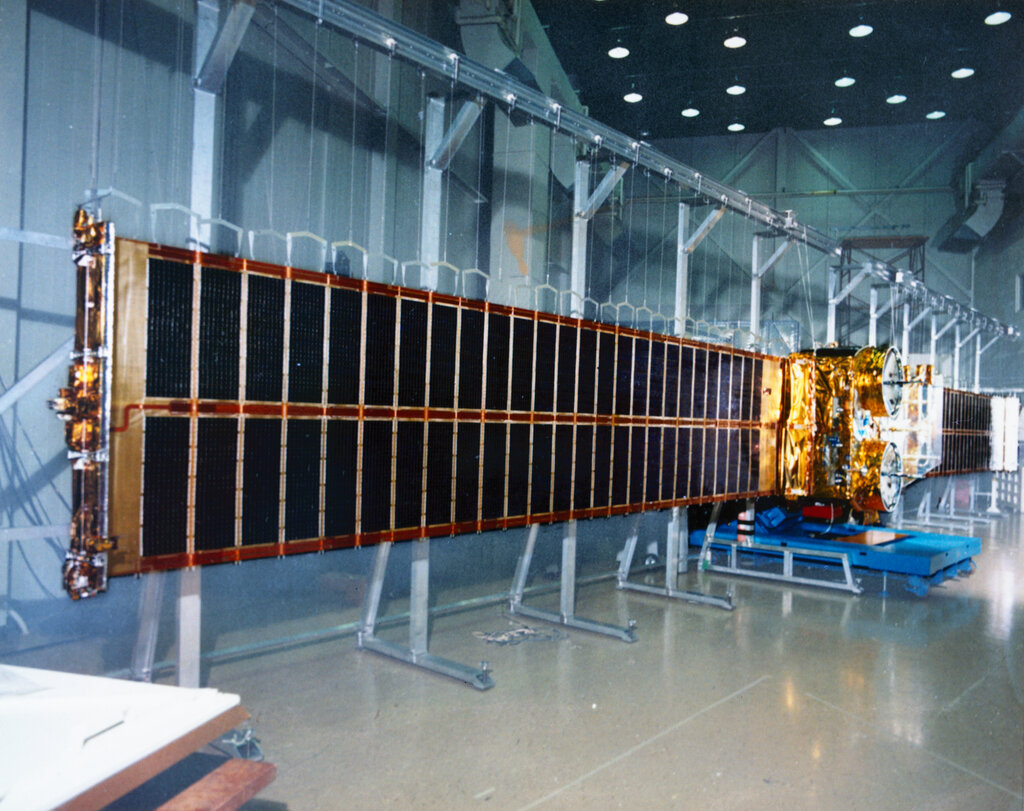
Structure: This is the satellite's skeleton. It's a physical frame, usually made of strong, lightweight composite materials, that holds everything together and protects the delicate instruments inside from the stress of launch.
Power: Most satellites get their energy from the sun using large solar panels. These panels convert sunlight into electricity, which powers the satellite and charges its onboard batteries. The batteries are essential for keeping the satellite running when it passes through Earth's shadow.
Propulsion: Satellites need engines to make small adjustments to their orbit or orientation. These thrusters might fire to counteract atmospheric drag or to move the satellite to a new position. They provide the fine-tuning needed to keep the satellite exactly where it needs to be.
Thermal Control: Space is a place of extremes. A satellite can be scorching hot on the side facing the sun and freezing cold on the other. The thermal control system uses a combination of heaters, radiators, and insulation to keep the electronics at a stable operating temperature.
Attitude Control: This system determines and controls the satellite's orientation. It's like the satellite's sense of balance. Using sensors like star trackers and gyroscopes, it ensures the antennas, solar panels, and cameras are all pointing in the right direction.
Telemetry, Tracking, and Command (TT&C): This is the satellite's communication link with the ground. The TT&C subsystem sends health and status data (telemetry) down to Earth, allows ground control to follow its location (tracking), and receives instructions (commands) for its operations.
The Payload: The Mission's Purpose
If the bus is the body, the payload is the brain and the senses. The payload is what a satellite does. Its design depends entirely on the mission.
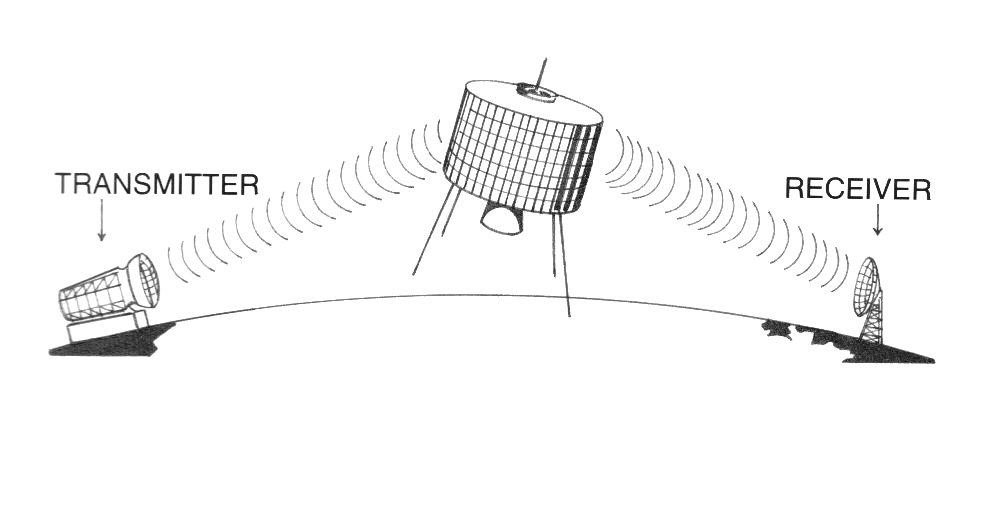
A communications satellite's payload consists of transponders, which are specialized radios that receive signals from Earth, amplify them, and re-transmit them to a different location. This is how satellite TV and long-distance calls work.
A navigation satellite, like those in the GPS network, has a payload centered on an incredibly precise atomic clock. It constantly broadcasts its exact time and position. Your phone's GPS receiver picks up signals from multiple satellites and uses the time difference between them to triangulate your location on the ground.
An Earth observation or surveillance satellite carries sophisticated cameras or sensors as its payload. These instruments can capture images in visible light, infrared, or radar to monitor weather patterns, track deforestation, or gather intelligence.
Location, Location, Location
Where a satellite is placed determines what it can do. Satellites occupy specific paths called orbits, which are classified by their altitude.
| Orbit Type | Altitude | Key Characteristic |
|---|---|---|
| Low Earth Orbit (LEO) | 180 - 2,000 km | Fast-moving, provides high-resolution imagery. |
| Medium Earth Orbit (MEO) | 2,000 - 35,786 km | A balance of coverage and signal strength, used for GPS. |
| Geostationary Orbit (GEO) | 35,786 km | Matches Earth's rotation, appearing fixed in the sky. Ideal for broadcasting. |
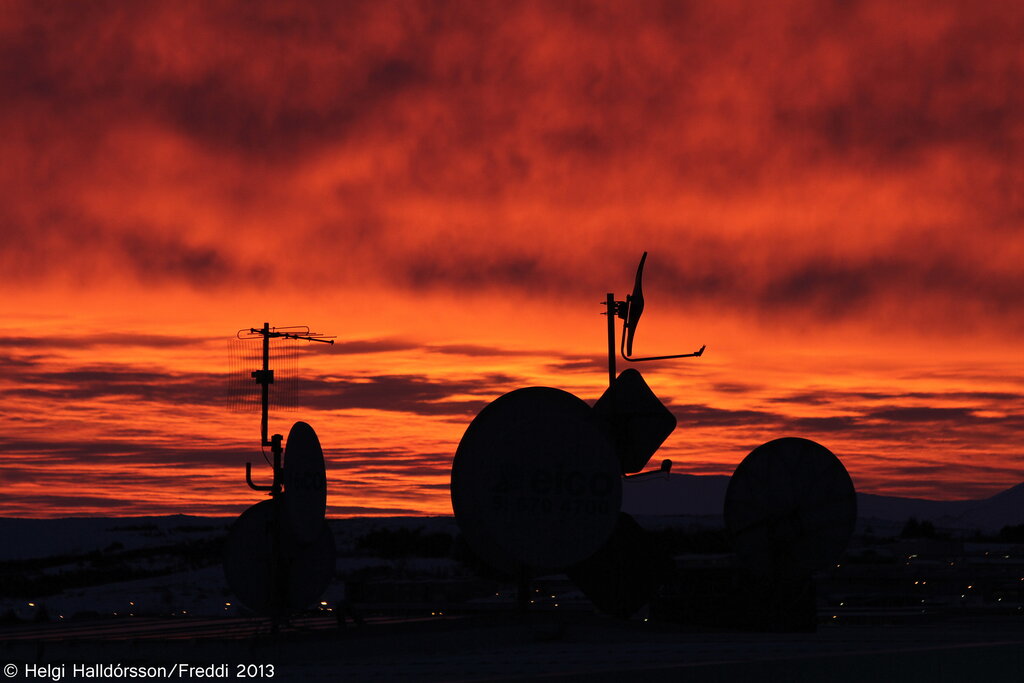
Finally, none of this works without a team on the ground. Ground control operations involve skilled engineers and technicians who monitor the satellite's health, send commands to adjust its orbit or operate the payload, and process the data it sends back. These ground stations are the unseen but vital link that keeps our space-based infrastructure running.
Now that we've covered the basic parts, let's review some key terms.
Ready to check your understanding?
Using the analogy of a delivery truck, what part of a satellite corresponds to the cargo being delivered?
A satellite is experiencing extreme temperature fluctuations, getting dangerously hot on one side and freezing on the other. Which subsystem is responsible for managing this issue?
Understanding this fundamental architecture—the bus, the payload, the orbit, and ground control—is the first step to seeing how these complex systems function and where they might be vulnerable.