SAS for Clinical Trial Visualization
Introduction to Clinical Trials
How New Medicines Are Tested
Before any new drug, vaccine, or medical device reaches the public, it goes through a rigorous testing process called a clinical trial. Think of it as a carefully designed experiment to answer two critical questions: Is this new treatment safe? And does it actually work?
Clinical trials are research studies involving human volunteers. They are the final and most important step in a long journey that often begins with years of research in a lab. Without them, we would have no way of knowing if a promising new idea is truly a medical breakthrough or just a shot in the dark.
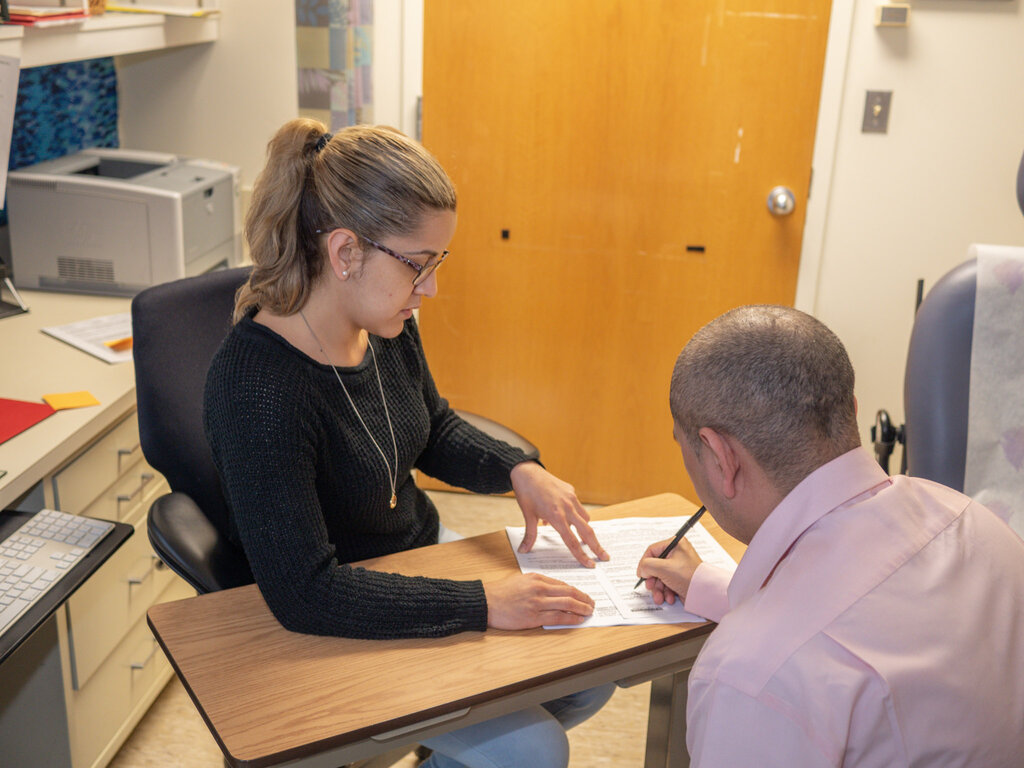
The entire process is methodical, unfolding in a series of stages called phases. Each phase is a hurdle the treatment must clear before it can proceed to the next. This step-by-step approach is designed to protect participants while gathering reliable information.
The Four Phases of a Trial
Clinical trials are typically organized into four phases. As a treatment moves through the phases, the number of participants grows, and the research questions become more complex.
Phase I is the first time a new treatment is tested in humans. The group is small, often fewer than 100 people, and may include healthy volunteers. The primary goal is to check for safety, determine a safe dosage range, and identify side effects.
Phase II involves a larger group of participants (several hundred) who have the condition the treatment is intended for. This phase continues to monitor safety but adds a new focus: effectiveness. Does the treatment work? What is the best dose?
Phase III is the largest and most expensive stage. It can involve thousands of participants across many locations. The goal is to confirm the treatment's effectiveness, monitor side effects, compare it to commonly used treatments, and collect information that will allow it to be used safely. Successful Phase III trials are usually the last step before a drug company applies for approval.
Phase IV happens after a treatment has been approved and is available to the public. These are post-marketing studies that track the treatment's safety and effectiveness over a long period and in a much larger, more diverse population. This phase can reveal rare or long-term side effects that weren't seen in earlier phases.
The Gatekeepers
Clinical trials aren't a free-for-all. They are closely monitored by governmental organizations known as regulatory bodies. These agencies set the rules for clinical trials and are responsible for reviewing the data to decide if a new treatment is safe and effective enough to be approved for public use.
Two of the most influential regulatory bodies are:
- The U.S. Food and Drug Administration (FDA): Responsible for protecting public health in the United States by ensuring the safety and efficacy of human and veterinary drugs, biological products, and medical devices.
- The European Medicines Agency (EMA): Performs a similar role for the European Union, evaluating and supervising medicines for both human and veterinary use.
These agencies don't conduct the trials themselves. Instead, they act as impartial judges, carefully reviewing the data submitted by the pharmaceutical companies who develop the treatments.
Why Data is Everything
Every single piece of information collected during a clinical trial is vital. This includes everything from basic vital signs and lab results to patient-reported symptoms and outcomes. This massive collection of data is the evidence used to prove whether a treatment works.
Data analysis is the engine that drives drug development. Analysts and statisticians must meticulously clean, organize, and interpret the data to uncover the story it tells. They use statistical methods to determine if the effects seen in the trial are real and meaningful, not just the result of chance.
This analysis is what regulatory bodies like the FDA and EMA scrutinize. A new drug can only be approved if the data provides strong, clear evidence of its safety and benefit. Without rigorous data analysis, the entire clinical trial process would be meaningless.
Now, let's test your understanding of the clinical trial process.
What is the primary goal of a Phase I clinical trial?
A pharmaceutical company wants to understand the long-term effects and potential rare side effects of its newly approved high blood pressure medication. Which phase of clinical trial would be most appropriate for this goal?
Understanding these fundamentals provides the context for all the technical work that follows in managing and analyzing clinical trial data.