SAP S/4HANA SD Configuration Mastery
SAP S/4HANA SD Overview
The Heart of the Sale
Every business that sells a product or service follows a similar path. A customer shows interest, you agree on a price, you deliver the goods, and then you send a bill. The Sales and Distribution (SD) module in SAP S/4HANA manages this entire journey from start to finish. It's the system that handles the complete sales cycle, turning customer inquiries into cash in the bank.
Think of it as the operational backbone for your sales team. It ensures that every step is tracked, every order is processed efficiently, and every customer gets what they paid for on time. The goal is to make a complex process smooth, repeatable, and transparent for everyone involved.
From Inquiry to Invoice
The SD module breaks down the sales process into a series of logical steps. While the details can vary, the core flow is consistent.
Let's walk through these stages:
-
Pre-Sales Activities: This is the beginning of the conversation. A potential customer might ask for a price on a product (an inquiry), or you might send them a formal price list (a quotation). These initial steps are tracked in the SD module, giving the sales team visibility into potential deals.
-
Sales Order Processing: When the customer decides to buy, you create a sales order. This is a legally binding document that confirms the details of the sale: what's being sold, how much of it, the price, and delivery dates. The system checks product availability and confirms the terms.
-
Shipping and Delivery: Once an order is confirmed, the logistics kick in. The SD module handles everything needed to get the product out the door. This includes telling the warehouse what to pick, creating packing slips, and generating the final shipping documents. It tracks the goods until they reach the customer.
-
Billing: The final step in the sales cycle is to get paid. The SD module creates an invoice based on the sales order and delivery details. This document is then sent to the customer for payment, and the information is passed along to the financial accounting team.
Why SD Is So Important
A well-managed Sales and Distribution process is critical for any business. The SAP SD module provides the structure needed to make it happen consistently and at scale. It ensures that sales, warehouse, and accounting teams are all working from the same information.
By streamlining the entire order-to-cash cycle, the SD module helps businesses deliver on their promises to customers, which builds trust and encourages repeat business.
This integration leads to significant benefits. It reduces manual errors that can occur when information is passed between departments. It speeds up the entire process, from taking the order to receiving payment. Most importantly, it improves customer satisfaction by ensuring accurate orders are delivered on time, every time.
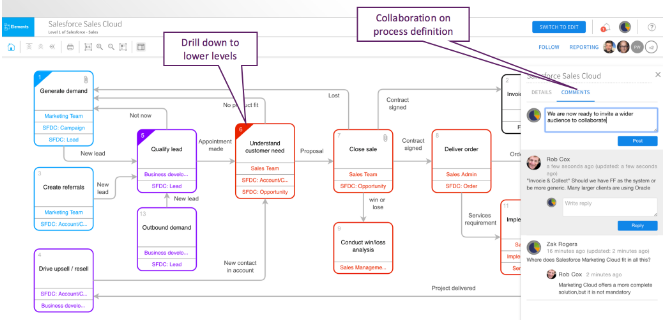
Furthermore, all the data generated throughout the sales cycle is captured within the system. This creates a valuable resource for analysis. Businesses can easily see which products are selling best, identify their most valuable customers, and spot trends in the market. This data-driven insight is essential for making smart decisions and growing the business.
Now, let's test your understanding of these core concepts.
What is the primary function of the Sales and Distribution (SD) module in SAP S/4HANA?
Which of the following lists the core stages of the SAP SD process in the correct chronological order?
In short, the SD module is where a company's products and its customers meet. It's the engine that drives the revenue-generating heart of the business.