SAP S/4HANA MDG Functional Consulting Essentials
Master Data Basics
The Single Source of Truth
Think about the contacts list on your phone. You have one entry for your friend Alex with their phone number, address, and birthday. When you need to call them or send a gift, you look up that single, trusted entry. Now, imagine you had three different entries for Alex, each with a slightly different address. Which one is correct? You'd waste time figuring it out, and you might send the gift to the wrong place.
In the business world, this core, trusted information is called master data. It’s the essential, non-transactional data a company holds about its most important entities: customers, products, suppliers, and employees. It doesn't include day-to-day transactions like invoices or purchase orders. Instead, it’s the foundational data that those transactions rely on.
Master data acts as the official, shared source of truth. When every department works from the same set of information, the entire business runs more smoothly.
Types of Master Data
Master data isn't one-size-fits-all. It's categorized based on the business entity it describes. The most common types are:
| Data Type | Description | Example |
|---|---|---|
| Customer Data | Information about the people or companies who buy your products. | Name, address, contact info, credit terms. |
| Supplier Data | Details about the vendors you purchase goods or services from. | Company name, tax ID, payment terms, bank details. |
| Material/Product Data | Information about the goods you make, sell, or buy. | Product ID, description, weight, dimensions, price. |
| Financial Data | Core financial information used for accounting and reporting. | Chart of accounts, cost centers, profit centers. |
Each of these categories is critical. An incorrect supplier address can delay a shipment of raw materials, while the wrong product dimensions could lead to major shipping problems.
From Raw Data to Real Information
High-quality master data is the bedrock of efficient business processes. When data is accurate, complete, and consistent, everything works better. Reports are trustworthy, forecasts are more reliable, and decisions are based on facts, not guesswork.
Imagine a marketing team launching a new campaign. With clean customer data, they can accurately segment their audience and send personalized offers. Without it, they might send promotions for baby products to a retiree or mail catalogs to an old, incorrect address, wasting money and annoying potential customers.
Good data isn't just a list of facts; it's the raw material that gets refined into valuable business intelligence.
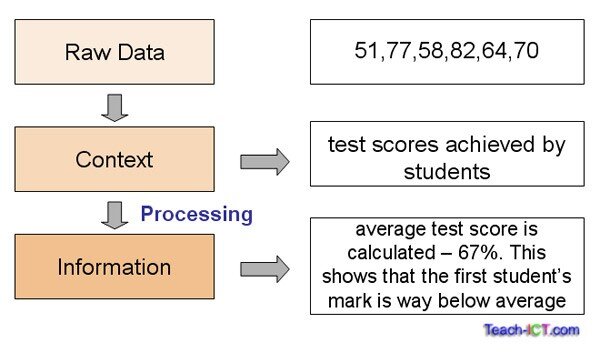
Conversely, poor master data creates friction at every turn. It leads to shipping errors, incorrect invoices, compliance risks, and a frustrated workforce that spends more time fixing mistakes than doing productive work.
Common Data Hurdles
If maintaining good master data is so important, why is it so hard? Companies face several common challenges:
- Data Duplication: The same customer might exist in the system multiple times under slightly different names, like "ABC Corp" and "ABC Corporation."
- Data Inconsistency: Data for the same entity differs across systems. The sales system might have one address for a customer, while the billing system has another.
- Data Silos: Departments often use their own separate systems. The marketing team's customer list doesn't talk to the finance team's billing records, leading to a fragmented view of the customer.
- Lack of Ownership: When no one is clearly responsible for maintaining the accuracy of data, it quickly becomes outdated and unreliable.
Data Governance: The overall management of the availability, usability, integrity, and security of the data used in an enterprise.
These problems don't fix themselves. The solution lies in establishing clear rules and accountability, which is where data governance comes in. Data governance is a framework of policies, standards, and processes that ensures data is managed as a strategic asset. It defines who can take what action, upon what data, in what situations, using what methods.
Think of it as creating a library system for your company's data. It ensures everything is cataloged correctly, easy to find, and kept in good condition by designated librarians. This disciplined approach is the first step toward creating a reliable single source of truth for your business.
Which of the following best defines master data?
A company's sales system lists a customer as 'ABC Corp' while the finance system lists them as 'ABC Corporation', leading to two separate records for the same entity. This is a classic example of:
Understanding these fundamentals is the first step. By recognizing the role of master data and the challenges in managing it, you can better appreciate the need for structured solutions to keep it clean and reliable.