SAP PS Budgeting Fundamentals
Introduction to SAP Project System
Managing Projects with SAP
Imagine you're building a new high-speed railway. You have thousands of tasks, massive budgets, and tight deadlines. How do you keep everything on track? In the world of SAP, the answer is the Project System module, or SAP PS.
SAP PS is a project management tool integrated directly into the SAP ecosystem. It’s designed to handle complex projects from the initial idea all the way to completion and final billing. Think of it as the central nervous system for any project, coordinating all the different parts to work together seamlessly.
The core job of SAP PS is to structure, plan, and execute projects efficiently while tracking time and costs.
The Blueprint and the Schedule
To manage a project, you first need to break it down into understandable pieces. SAP PS uses two key structures for this: the Work Breakdown Structure (WBS) and Networks.
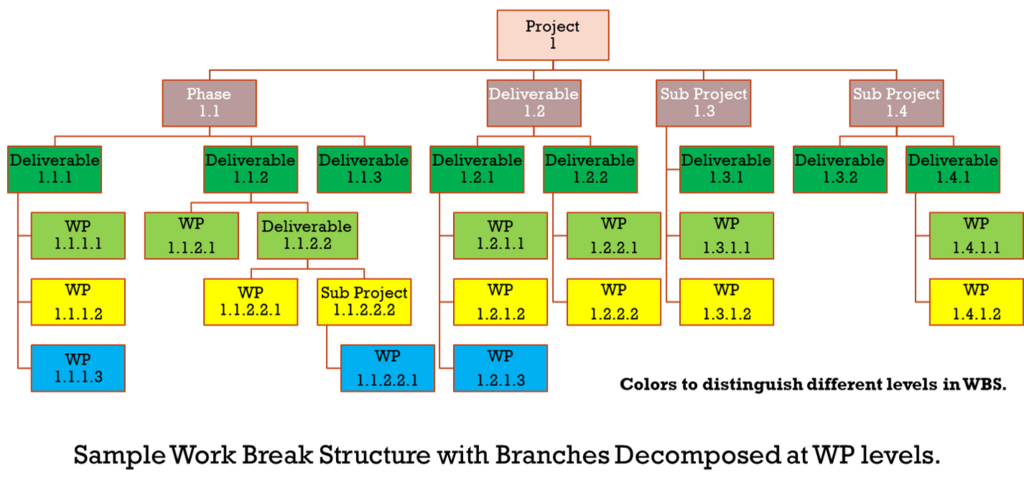
The Work Breakdown Structure (WBS) is the blueprint of your project. It's a hierarchical model that breaks down the entire project into smaller, more manageable chunks called WBS elements. This structure organizes the work and provides a framework for planning costs, tracking progress, and reporting. For our railway project, a top-level WBS element might be "Lay Main Track," which then breaks down into smaller elements like "Survey Land," "Prepare Ground," and "Install Rails."
While the WBS tells you what needs to be done, the Network tells you how and when. A Network is a sequence of activities or tasks that must be performed to complete the project. It defines the order of these tasks, their dependencies on each other, and their durations.
For example, you can't install rails before the ground is prepared. A network plan makes these relationships clear, allowing you to schedule activities, allocate resources like people and machinery, and identify the critical path—the sequence of tasks that determines the project's total duration.
A Connected System
The real power of SAP PS comes from its integration with other SAP modules. It doesn't operate in a silo. Instead, it pulls and pushes information across the entire SAP landscape, creating a single source of truth for the project.
This integration ensures that project data is always consistent with the company's core financial and logistical information.
Here are a few key integrations:
- Controlling (CO): When you budget for a WBS element in PS, the data flows directly into the CO module for cost management and reporting.
- Materials Management (MM): If an activity in your network requires specific materials, PS can trigger a purchase requisition in the MM module to procure them.
- Sales and Distribution (SD): For customer-facing projects, PS can link to sales orders in the SD module, helping manage project revenues and billing.
- Human Capital Management (HCM): You can assign personnel to specific project activities, linking with HCM for time tracking and capacity planning.
By understanding the roles of the WBS and Networks, and how they connect to the rest of SAP, you have the foundation for managing any project, no matter its scale or complexity.
What is the primary function of the Work Breakdown Structure (WBS) in SAP PS?
A project manager needs to ensure materials for a specific construction task are ordered on time. Which SAP PS component and integration are most directly involved in this process?