SAP MRP for Direct Material Procurement
Introduction to Direct Material Procurement
The Building Blocks of Production
Every physical product, from a smartphone to a pair of sneakers, starts as a collection of separate parts. The process of acquiring these essential parts is called direct material procurement. It’s the business of buying the raw materials and components that are built directly into a final product.
Think of it this way: for a bakery, flour, sugar, and eggs are direct materials. The ovens and mixing bowls are not. Direct procurement is all about getting the ingredients.
This process is the lifeblood of any manufacturing company. If the right components don't arrive on time, at the right quality, and at the right cost, the entire production line can grind to a halt. Poor direct procurement leads to delays, budget overruns, and unhappy customers. Getting it right is fundamental to success.
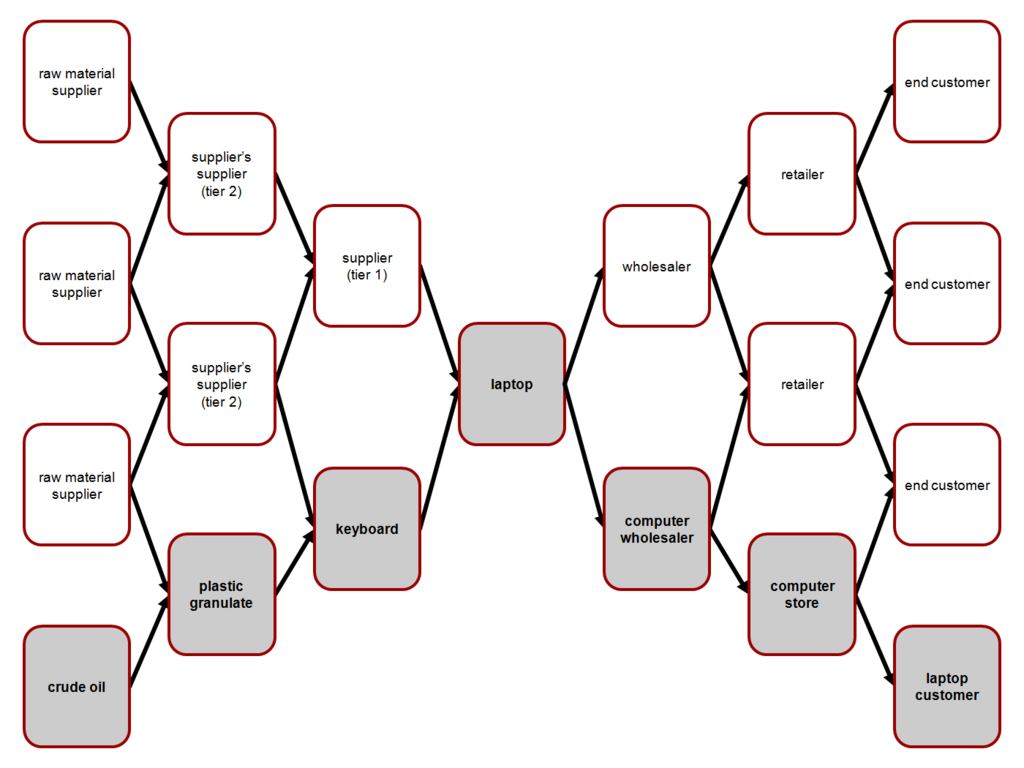
The Procurement Journey
Direct procurement isn't just about placing an order. It's a structured process with several key stages, each vital for ensuring a smooth flow of materials into the factory.
First, a company must source and vet potential suppliers, evaluating them on cost, reliability, and quality. Once a supplier is chosen, the two parties negotiate terms and sign a contract. This agreement forms the basis for creating a purchase order, the official document that requests the materials.
Next comes the physical movement: logistics. This involves shipping the materials to the company’s facility, where they are officially received. Upon arrival, a quality assurance team inspects the goods to ensure they meet the specifications outlined in the contract. If everything checks out, the final step is to process the supplier's invoice and complete the payment.
Navigating the Challenges
Managing this journey is filled with potential pitfalls. The global nature of modern supply chains means they are vulnerable to a wide range of problems.
| Challenge | Description |
|---|---|
| Supply Chain Disruptions | Unforeseen events like natural disasters, trade disputes, or a key supplier going out of business can halt the flow of materials. |
| Price Volatility | The costs of raw materials, such as metals, oil, or agricultural products, can fluctuate dramatically, making budgeting difficult. |
| Quality Control | A batch of substandard components can compromise the quality of the final product, leading to costly recalls and reputational damage. |
| Compliance & Ethics | Ensuring materials are not sourced using unethical practices (like child labor) or from environmentally harmful operations is a major responsibility. |
The risk of ethical blind spots in a long, complex supply chain is significant. Companies must be proactive in their oversight.
Companies must therefore ensure the materials they source through their direct and indirect suppliers — including raw materials and components such as cottons or fibers — aren’t linked to either human rights abuses (e.g. child labor), or environmental harms (e.g., deforestation or excessive carbon emissions).
To counter these risks, smart companies build resilience into their procurement strategies. They avoid relying on a single supplier by diversifying their sources. They use long-term contracts to lock in stable pricing and employ rigorous quality checks at every stage. Through careful planning and constant monitoring, businesses can keep their production lines moving and ensure their products are built with integrity.
What is the primary focus of direct material procurement?
Which of the following represents the correct order of key steps in the direct procurement process?