SAP JOTLE for Consultants
Introduction to SAP JOTLE
The Journey to Order
In the world of SAP, processes have names and acronyms that help define their scope. One of the most fundamental is JOTLE, which stands for Journey to Order, Leading to Execution. At its core, JOTLE isn't a specific tool or module. Instead, it's a conceptual framework for the entire sales process, from the moment a customer decides to buy something to the moment they receive it and are billed.
Think of it as a roadmap that ensures every department, from sales to logistics to finance, is working in sync. The goal is to create a smooth, efficient, and transparent path for every single order. For consultants, understanding the JOTLE flow is crucial for identifying bottlenecks and optimizing how a business serves its customers.
JOTLE provides a holistic view of the sales cycle, connecting customer interaction directly to backend execution.
Key Phases of JOTLE
The JOTLE process can be broken down into three main phases. Each phase contains several steps that move the order closer to completion.
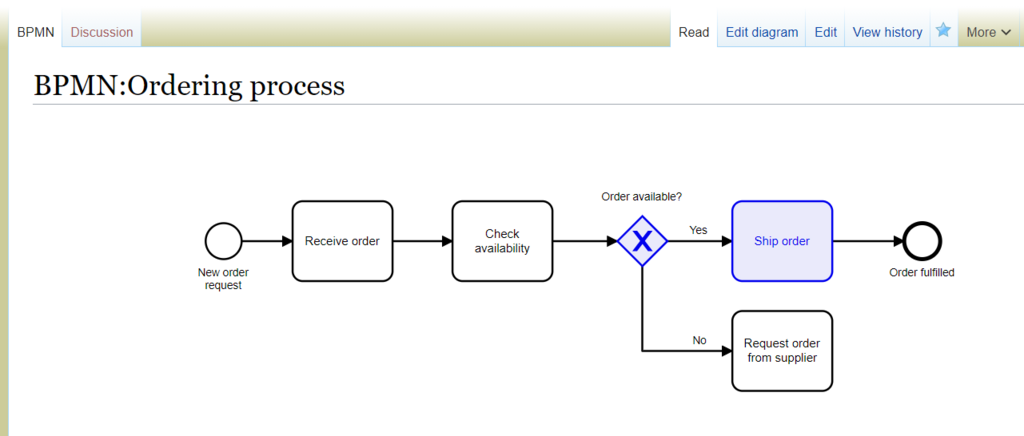
1. Order Initiation This is the starting line. It begins when a customer places an order. In SAP, this typically involves creating a sales order document. This isn't just data entry; the system immediately performs crucial background tasks, like checking if the requested items are actually in stock (an availability check) and reserving them for this specific order.
2. Order Processing Once the order is in the system, it moves into the processing phase. Here, SAP handles the commercial aspects. It determines the final price, applying any relevant discounts, taxes, or surcharges. It may also perform a credit check on the customer to ensure the order is financially sound. This phase concludes with the system scheduling the delivery and preparing the necessary information for the warehouse.
3. Order Fulfillment This is the execution part of the process, where the order becomes a physical reality. It starts with the warehouse team receiving instructions to pick the items from the shelves and pack them for shipment. Once packed, the goods are shipped to the customer. The final step is billing, where an invoice is generated from the sales order and sent to the customer for payment. This completes the journey.
The Benefits of a Streamlined Journey
Implementing a clear JOTLE process isn't just about following steps; it delivers tangible business benefits. The primary advantage is improved operational efficiency. By automating checks, integrating departments, and creating a standard workflow, companies can process orders faster and with fewer errors. This reduces manual work and frees up employees to focus on more complex tasks.
This efficiency directly translates to higher customer satisfaction. When customers receive their orders on time and the billing is accurate, their trust in the company grows. The transparency of the JOTLE process means that sales and service teams can give customers real-time updates on their order status, a key factor in a positive customer experience.
SAP S/4HANA Sales enhances the entire sales process from order entry to delivery and billing, providing real-time visibility into order status, inventory, and customer satisfaction.
By viewing the sales cycle as a single, connected journey, businesses can ensure a seamless flow of information and goods, turning a simple order into a well-executed service.