SAP FI Configuration with SAP HANA
SAP FI Overview
What is SAP Financial Accounting?
At its core, SAP Financial Accounting, or SAP FI, is the central nervous system for a company's financial data. It’s a module within the larger SAP S/4HANA system designed to track all the money moving in and out of a business. Think of it as the official bookkeeper, ensuring every transaction is recorded accurately and available for reporting.
SAP Financial Accounting, commonly referred to as SAP FI, is a core component within the SAP ecosystem dedicated to managing financial transactions.
The primary job of SAP FI is to provide a complete and accurate picture of a company's financial health at any given moment. This is crucial for external reporting, like creating financial statements for shareholders, banks, or tax authorities. All the data is stored in a structured way, following standard accounting principles to ensure consistency and compliance.
Core Functions
SAP FI is built on several key components that handle specific accounting tasks. Together, they form a comprehensive system for managing a company's finances.
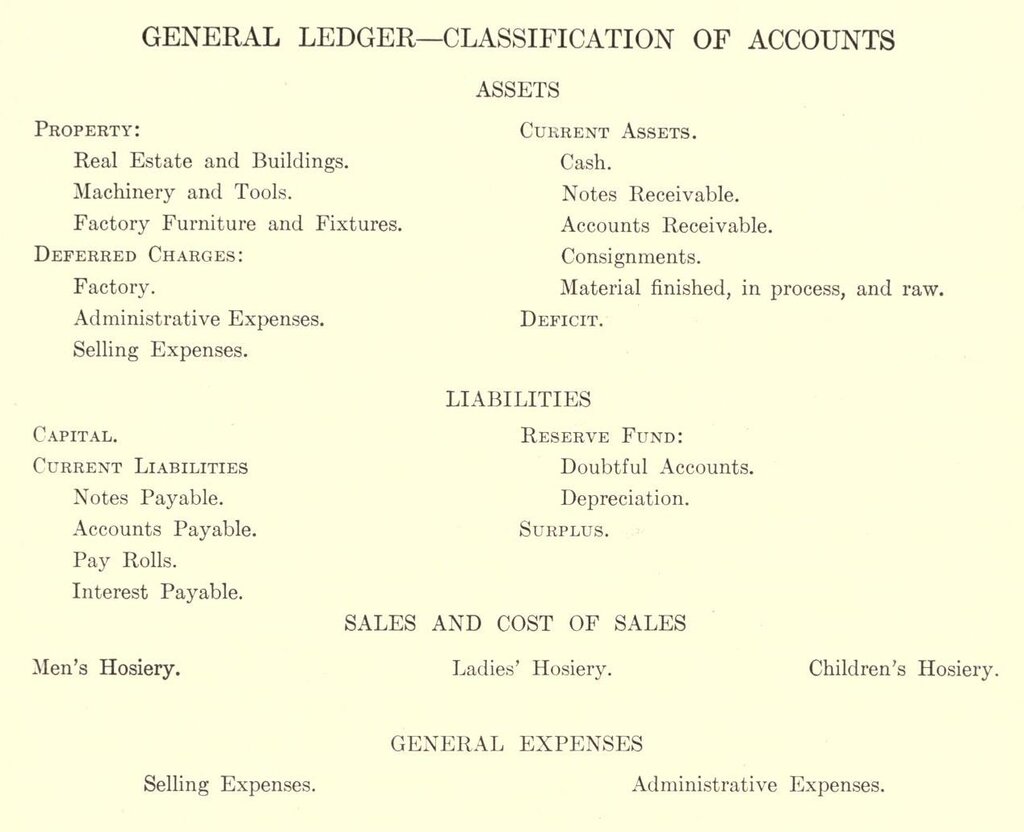
General Ledger (G/L) Accounting The General Ledger is the heart of SAP FI. It’s the central repository where all financial transactions are recorded. Every transaction, whether it's from sales, purchases, or payroll, ends up in the G/L. This component provides a real-time, balanced record of all accounts, forming the basis for all financial statements.
Accounts Payable (AP) This area manages all the money a company owes to its suppliers or vendors. When the company buys goods or services, an invoice is received. The AP component tracks these invoices, processes them for approval, and executes payments. It ensures that vendors are paid correctly and on time, helping to maintain good business relationships.
Accounts Receivable (AR) On the flip side, Accounts Receivable handles all the money that customers owe the company. When a product is sold or a service is delivered, the AR component tracks the sale, issues an invoice to the customer, and manages the collection of payments. It's essential for managing cash flow and understanding which customers have outstanding balances.
Asset Accounting (AA) Companies own assets like buildings, machinery, and computers. Asset Accounting is used to manage and track the lifecycle of these fixed assets. It records everything from the initial purchase of an asset to its depreciation over time and its eventual retirement or sale. This helps in accurately valuing the company's assets and managing depreciation expenses for tax and reporting purposes.
A Connected System
SAP FI doesn't operate in a silo. Its real power comes from its tight integration with other SAP modules. When an action happens in another part of the business, the financial impact is automatically and instantly reflected in FI. This seamless flow of information eliminates the need for manual data entry and reduces the risk of errors.
Here are a few key integrations:
- Materials Management (MM): When the procurement team buys raw materials using the MM module, it triggers several FI postings automatically. For example, when goods are received, inventory value increases. When the vendor's invoice is processed, a liability is created in Accounts Payable.
- Sales and Distribution (SD): When the sales team sells a product, the SD module handles the order and delivery. Once the goods are shipped and billed, the system automatically creates a receivable in the customer's account in AR and posts the revenue to the General Ledger.
- Controlling (CO): While FI focuses on external reporting, the CO module is for internal management and decision-making. Data from FI, like costs and revenues, flows directly into CO. This allows managers to analyze profitability, manage budgets, and control costs for different departments or products.
The S/4HANA Advantage
The environment where SAP FI operates is called SAP S/4HANA. The "HANA" part is critical—it refers to the in-memory database that powers the system. Unlike traditional databases that store data on a hard disk, an in-memory database keeps data in the main memory (RAM). This makes accessing and processing data incredibly fast.
Think of it like reading a book that's already open on your desk (in-memory) versus having to walk to a library shelf to find and open it (traditional database).
For finance, this speed changes everything. Financial reports that used to take hours or even run overnight can now be generated in seconds. This allows for what's called a "soft close," where the books can be checked for accuracy at any point during the month, not just at the end. The Universal Journal is a key feature of S/4HANA, acting as a single source of truth for all accounting data. It combines data from FI, CO, and other components into one table, simplifying the architecture and enabling powerful, real-time analytics directly on live transaction data.
What is the primary role of the SAP Financial Accounting (FI) module within a business?
Which SAP FI component is used to manage and track the depreciation of a company's fixed assets, such as buildings and machinery?
This overview covers the fundamental role and structure of SAP FI within the S/4HANA landscape. It's the backbone of financial management, providing accurate, real-time data that is deeply integrated with a company's core business operations.