San Francisco Bay Area Wastewater Capital Projects
Introduction to Wastewater Treatment
From Waste to Water
Every time you flush a toilet, wash dishes, or take a shower, you create wastewater. This water, full of human waste, food scraps, soaps, and chemicals, has to go somewhere. Simply dumping it into rivers, lakes, or oceans would have disastrous consequences for public health and the environment. It would contaminate drinking water sources, kill aquatic life, and make natural areas unsafe for recreation.
Wastewater treatment is the process of removing pollutants from this used water before it is returned to the environment or reused. In a densely populated area like the San Francisco Bay Area, effective wastewater management is critical to protecting the delicate ecosystem of the bay and the health of millions of residents.
The Treatment Process
Modern wastewater treatment is a multi-stage process designed to clean water step-by-step. While plants can vary, most follow a general sequence of primary, secondary, and tertiary treatment.
Primary Treatment is the first step. It's like a bouncer at a club, only letting the smaller stuff through. Wastewater flows into large tanks where gravity does the work. Solid materials settle to the bottom, forming a sludge, while lighter materials like grease and oil float to the top and are skimmed off. This is a purely physical process that removes about half of the solids.
Secondary Treatment comes next, and it's all about biology. The water, now with most large solids removed, enters aeration tanks. Here, a rich culture of helpful microorganisms is introduced and supplied with oxygen. These bacteria and other microbes consume the dissolved organic pollutants, essentially eating them and converting them into carbon dioxide, water, and more microorganisms.
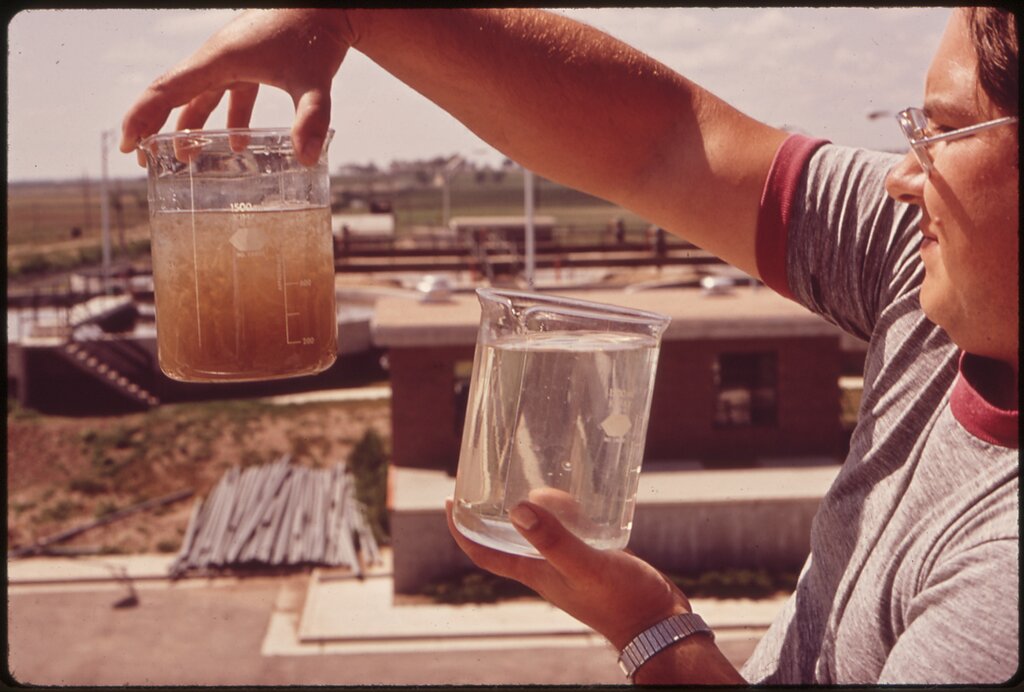
Tertiary Treatment is the final polishing stage. Its goal is to remove specific remaining contaminants, particularly nitrogen and phosphorus. These nutrients can cause harmful algae blooms in receiving waters like the San Francisco Bay. This stage may involve further filtration through sand or other media. The last step is disinfection, which uses chlorine or ultraviolet (UV) light to kill any remaining harmful bacteria and viruses before the treated water, now called effluent, is released.
Wastewater in the Bay Area
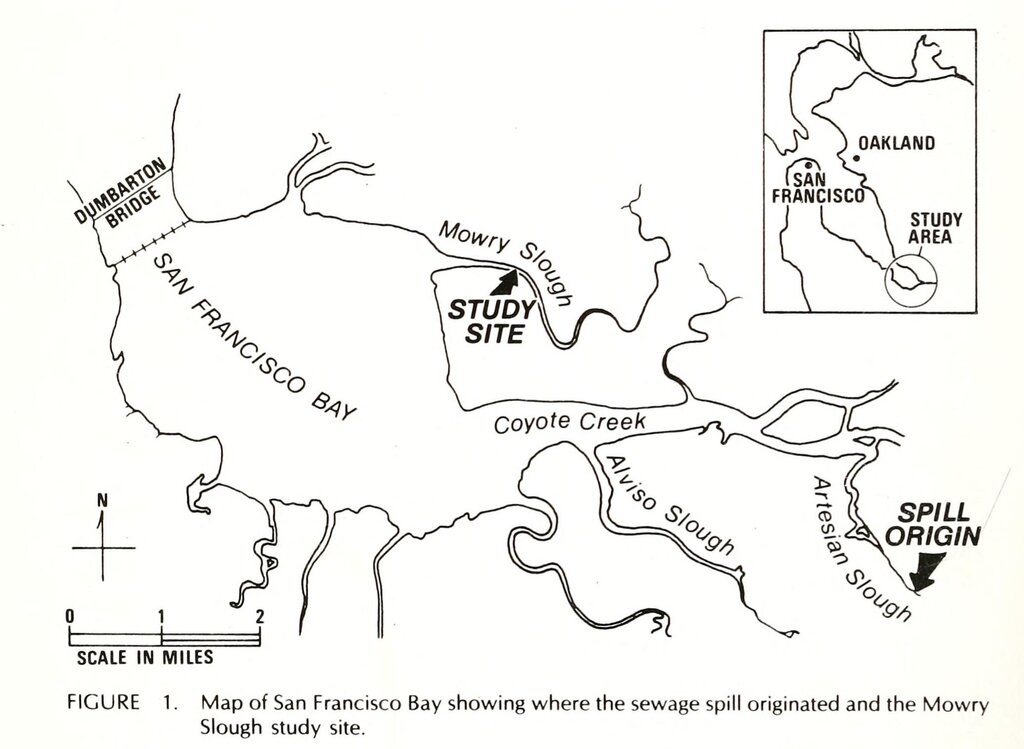
Dozens of treatment plants surround the San Francisco Bay, operated by various cities and special districts. Some of the largest facilities include the East Bay Municipal Utility District's (EBMUD) plant in Oakland, which serves a large portion of the East Bay, and the San Francisco Public Utilities Commission's (SFPUC) Southeast Treatment Plant, the city's largest.
These facilities are more than just waste disposal sites. They are complex industrial operations essential for public infrastructure and environmental stewardship. They constantly work to meet stringent water quality standards set by regulators to protect the health of the Bay.
Wastewater treatment facilities are evolving from waste management centers into resource recovery hubs.
This means not just cleaning water, but also capturing useful byproducts. For example, the sludge from primary treatment can be processed in anaerobic digesters to produce biogas, a renewable energy source that can power the plant itself. Biosolids, the treated organic matter, can be used as a soil amendment in agriculture. This shift reflects a more sustainable approach to managing our water resources.
What is the primary purpose of wastewater treatment?
In which stage of wastewater treatment are helpful microorganisms and oxygen used to break down dissolved organic pollutants?
Understanding these core processes is the first step in appreciating the complex and vital role of wastewater treatment in our communities.