San Francisco: A Historical Journey
Indigenous Foundations
The First People of the Bay
Long before Spanish ships sailed through the Golden Gate, the land we now call San Francisco was home to the Ohlone people. For at least 3,000 years, they thrived in this landscape of rolling hills, marshlands, and windy shores. They weren't a single unified tribe but a network of dozens of independent, yet related, groups who spoke similar languages and shared cultural traditions.
Their world was intimately connected to the cycles of nature. The San Francisco peninsula was dotted with their villages, from the sandy beaches of the Pacific to the sheltered coves of the bay. Each community had a deep understanding of its local environment, knowing the best times to hunt, fish, and gather the plants that sustained them.
A World of Villages
Ohlone society was organized around villages, which were the basic political and social unit. A typical village might have a few hundred people, all connected through family ties. Several families would live together in a single dwelling, traditionally made from tule reeds or redwood bark.
These villages were largely self-governing, each with its own leader, or chieftain. Leadership was often hereditary, passed down through family lines. However, a leader's authority depended on their ability to build consensus and provide for the community. Several villages in a region would form a larger group sometimes called a "tribelet." These weren't formal tribes in the way we often think of them, but rather alliances of villages that shared a common dialect, territory, and would come together for ceremonies, trade, or defense.
Family and kinship were the glue that held Ohlone society together. Their lives were defined by relationships to their parents, siblings, cousins, and elders, creating a strong sense of community and mutual support.
Life by the Bay
The Ohlone were master foragers and artisans. Their diet was rich and varied, a testament to the Bay Area's natural abundance. Acorns were a staple food, painstakingly gathered, dried, and ground into flour to make mush or bread. The bay and ocean provided a bounty of shellfish, salmon, and sea mammals, while the hills offered deer, rabbits, and a wide variety of edible plants.
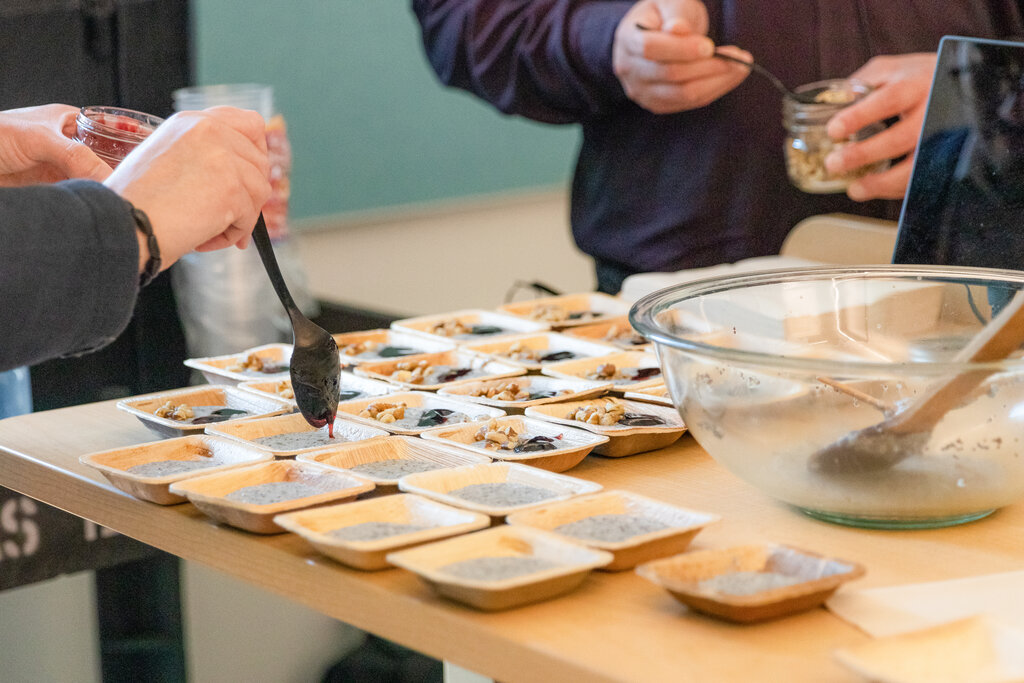
They were also renowned for their intricate basketry. Using grasses, reeds, and willow shoots, Ohlone weavers created baskets so tightly woven they could hold water. These weren't just utilitarian objects; they were works of art, used for cooking, storage, and ceremonies. Their spiritual life was equally rich, centered on a belief system that honored the creator, coyote, and the spirits of the natural world. Shamans played a vital role, acting as healers and spiritual guides for the community.
Ohlone culture was not static. It was a living, breathing tradition passed down through generations of storytelling, song, and ceremony, deeply woven into the fabric of the land itself.
Arrival of the Strangers
The arrival of Spanish explorers and missionaries in the late 1700s marked a devastating turning point for the Ohlone. In 1776, the Spanish founded Mission San Francisco de Asís, also known as Mission Dolores. The goal of the mission system was to convert Native Californians to Christianity and transform them into agricultural laborers for the Spanish crown.
The impact on the Ohlone was catastrophic. They were lured or forced into the missions, where they were stripped of their culture, language, and spiritual beliefs. They were subjected to forced labor, and their traditional way of life was systematically dismantled. The concentration of people in the missions, combined with a lack of immunity to European illnesses, led to deadly epidemics. Diseases like measles and smallpox swept through the mission populations, killing thousands.
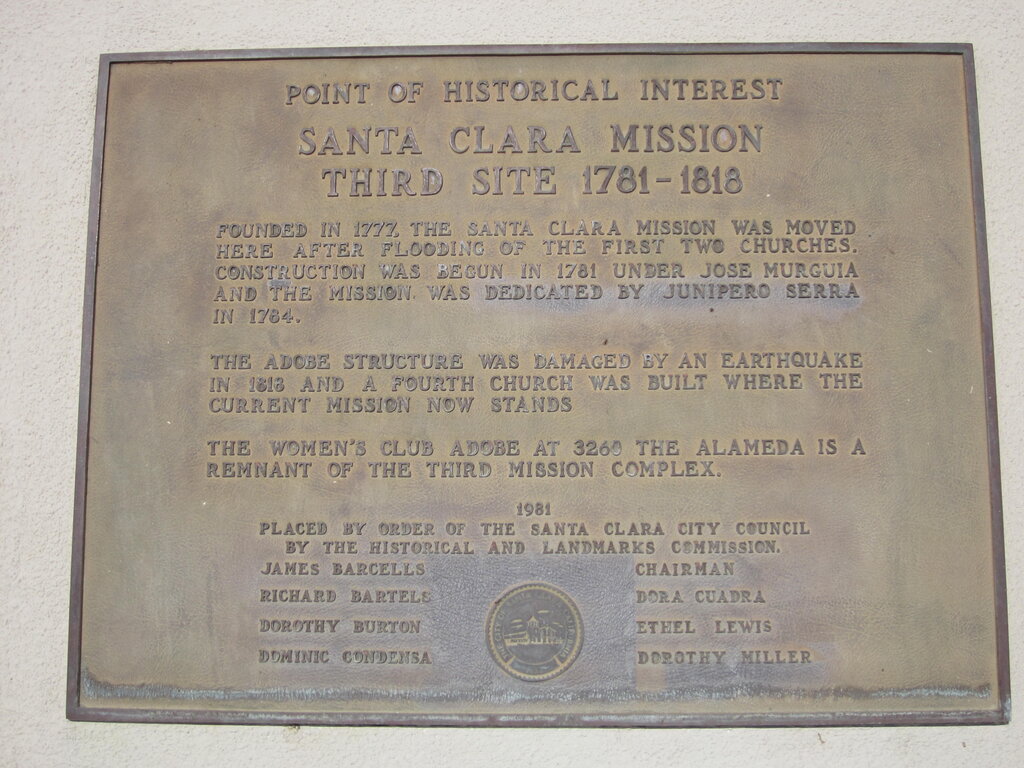
Within a few generations, the Ohlone population plummeted. Their ancestral lands were seized, their villages abandoned, and their complex social structures shattered. The Spanish colonization of the Bay Area was not a peaceful settlement; it was a violent disruption that nearly erased a people and a culture that had thrived for millennia.
Despite this immense trauma, the Ohlone people survived. Their descendants live in the Bay Area today, working to revitalize their languages, reclaim their history, and restore their cultural traditions. The story of San Francisco does not begin with the Spanish or the Gold Rush; it begins with them.
Let's check your understanding of the Ohlone people and their history.
What was the basic political and social unit of Ohlone society before the arrival of Europeans?
Which of the following was a staple food for the Ohlone and required extensive processing before it could be eaten?
Understanding this foundational history is key to understanding the complex story of San Francisco.