Samsung Electronics Unveiled
Samsung's Origins
From Noodles to Electronics
Before it became a household name for smartphones and TVs, Samsung started in 1938 as a small trading company in Daegu, Korea. Founder Lee Byung-chul named it Samsung Sanghoe, which means “three stars,” a name reflecting his ambition to build a company that was powerful and everlasting, like the stars in the sky.
Initially, Samsung had nothing to do with technology. It was a humble grocery trading store, exporting dried Korean fish, vegetables, and its own noodles to China. The business grew, and after the Korean War, Lee expanded into other industries that were crucial for rebuilding South Korea, such as sugar refining and textiles.
This early history of diversification showed a willingness to enter new, promising fields, a trait that would define Samsung’s future.
A Leap into Technology
The major turning point came in 1969 when Samsung took its first step into the booming electronics market. The company established Samsung-Sanyo Electronics, which later became Samsung Electronics. This move was a strategic decision to align with South Korea's national push towards developing high-tech industries.
Their very first product, a 12-inch black-and-white television, rolled off the assembly line in 1970. It was a simple device, but it marked the beginning of a new era. In the years that followed, Samsung began producing other home appliances, including washing machines and refrigerators, primarily for the domestic market.
Building a Foundation
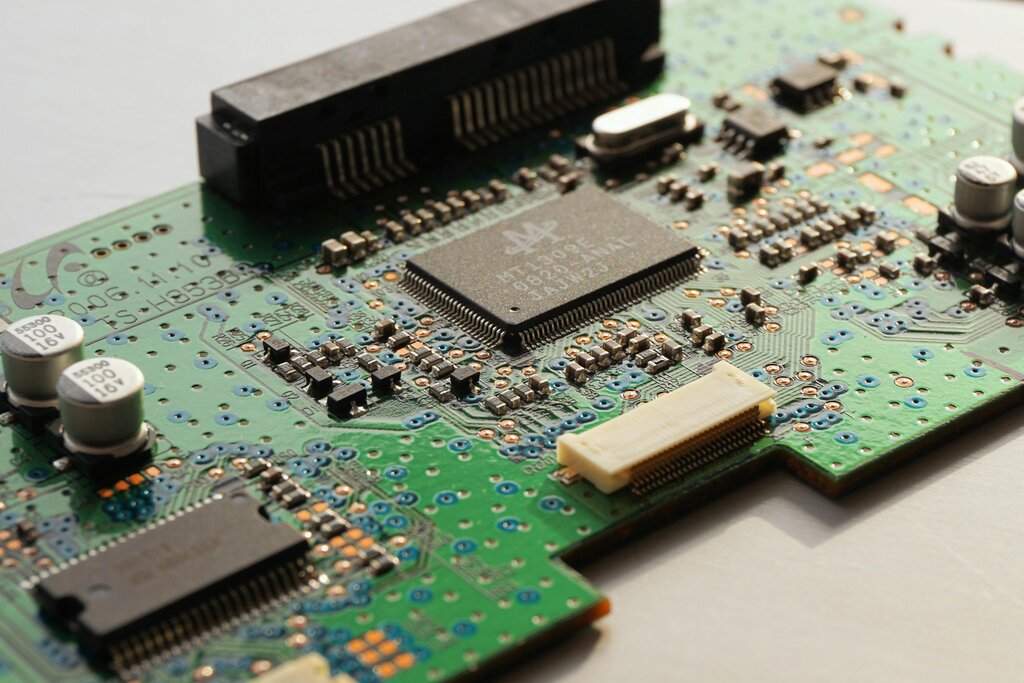
One of the most critical moves in Samsung's early history was the 1974 acquisition of Korea Semiconductor. This gave the company control over its own chip manufacturing. At the time, it was a risky venture, but it laid the groundwork for Samsung to become a world leader in memory chips and other essential electronic components.
By the late 1970s, Samsung had established itself as a major electronics manufacturer in Korea. The company began exporting its products, starting with color televisions. This expansion was fueled by a focus on manufacturing efficiency and producing affordable, reliable goods. These early years were not about groundbreaking innovation but about building a solid industrial foundation.
| Year | Key Milestone |
|---|---|
| 1969 | Samsung-Sanyo Electronics established. |
| 1970 | First product, a black-and-white TV, is produced. |
| 1974 | Acquires Korea Semiconductor. |
| 1976 | Produces one millionth black-and-white TV. |
| 1979 | Begins mass production of microwave ovens. |
| 1983 | Produces its first computer, the SPC-1000. |
These early milestones set the stage for Samsung's transformation from a local trading company into the global technology giant we know today. The journey from selling noodles to designing semiconductors was driven by ambition and strategic pivots into new, high-growth industries.