Samsung Electronics Controversies
Samsung's History
From Noodles to Electronics
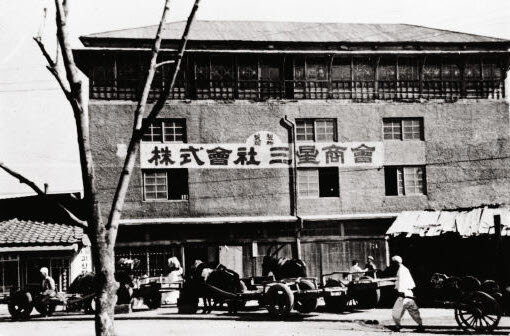
Samsung's story doesn't begin with smartphones or TVs. It started in 1938 when Lee Byung-chull founded a small trading company in Daegu, Korea. He called it Samsung Sanghoe, and it dealt in groceries and noodles. The company grew, eventually moving to Seoul after the Korean War and expanding into textiles and sugar refining. The Samsung we know today began to take shape much later.
The pivotal moment came in 1969 with the establishment of Samsung Electronics. This new division marked a major shift into the technology sector. In its early days, the company focused on home appliances.
1969 saw the founding of Samsung Electronics, the subsidiary that would ultimately go on to become perhaps the world’s most powerful electronics brand.
Their first products were black-and-white televisions, refrigerators, and washing machines, often produced for other brands. This period was about learning the ropes of manufacturing and building a foundation in a competitive industry.
Building the Components
A key strategic decision in the 1970s set Samsung on a path to dominance: vertical integration. Instead of just assembling products, they decided to make the components themselves. This started with the acquisition of a semiconductor company in 1974. It was a risky, expensive move, but it paid off immensely.
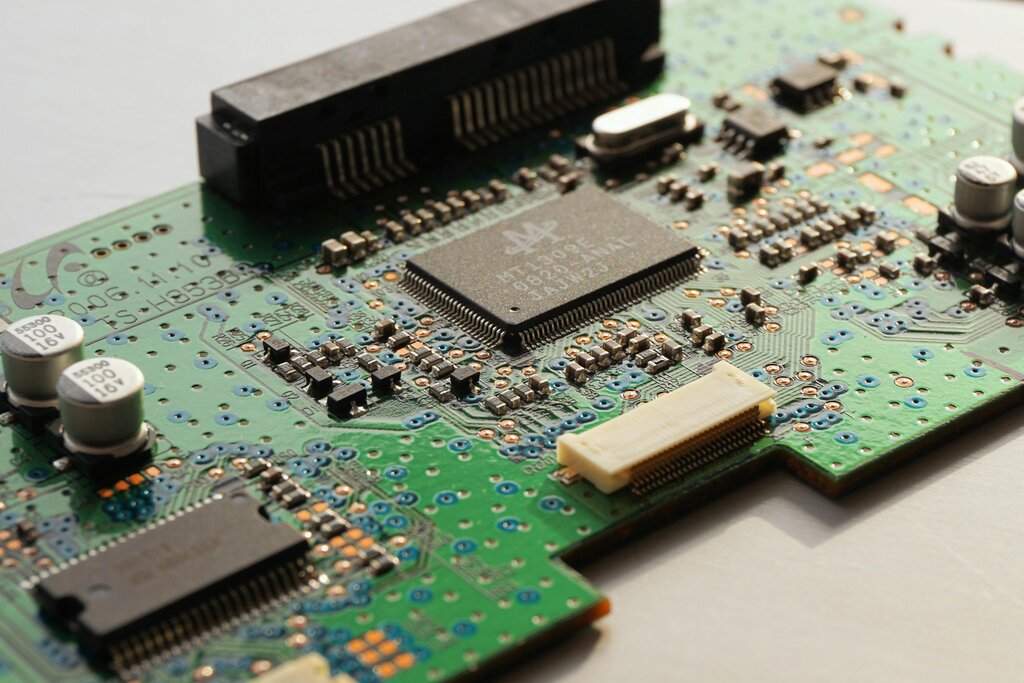
By mastering the production of memory chips and other core parts, Samsung gained control over its supply chain. It could innovate faster, control costs, and ensure a steady supply of high-quality components not just for its own products, but for other companies too, including its rivals.
As a vertically integrated, globally networked manufacturer, Samsung can produce all these gadgets at low cost and blistering speed.
This expertise in semiconductors became the company's engine room. By the early 1990s, Samsung was the world's largest producer of memory chips, a title it has held for much of the time since. This success fueled its expansion into a vast range of consumer electronics.
Conquering the Global Market
While Samsung was a giant in components, its own branded products often struggled to compete on the world stage. In the 1990s, Chairman Lee Kun-hee (son of the founder) initiated a radical shift, famously declaring a new management philosophy focused on quality above all else. He pushed the company to move from being a fast follower to a trendsetter.
This meant a huge investment in research and development (R&D) and a new emphasis on design. The goal was to create premium products that could command higher prices and build a powerful global brand. This strategy began to bear fruit with the rise of digital technology.
With over 6,000 patents in US and more than 70,000 in South Korea, Samsung invests heavily in research and development.
Samsung started making waves with flat-screen TVs and early mobile phones. The company launched its mobile phone division in the 1980s, but it was the launch of the Galaxy smartphone line in 2009 that transformed its fortunes. Running on Google's Android operating system, the Galaxy S became a direct competitor to Apple's iPhone, rocketing Samsung to the top of the global smartphone market.

Today, Samsung is a sprawling conglomerate with a presence in everything from smartphones and televisions to home appliances and network equipment. Its journey from a small noodle trader to a global tech powerhouse is a story of ambition, strategic risk-taking, and a relentless focus on manufacturing and innovation.