Sampling Methodology Mastery
Introduction to Sampling
A Taste of the Whole
Imagine you’re making a big pot of soup. To check if it needs more salt, you don’t need to eat the entire thing. You just taste a spoonful. If that spoonful tastes right, you can be pretty confident the whole pot is seasoned correctly. In a nutshell, that's sampling.
Sampling is the process of selecting a subset of individuals or observations from a larger population to estimate characteristics of the whole group.
In research, the entire group you're interested in studying is called the population. This could be all the voters in a country, every star in a galaxy, or all the fish in a lake. The smaller group you actually collect data from is the sample. The spoonful is your sample; the pot of soup is the population.
We study samples because it’s often impossible or impractical to study the entire population. Polling every single person in a country for an election would be incredibly slow and expensive. Testing every car that comes off an assembly line for defects might mean destroying all the cars. By carefully selecting a sample, we can get a good picture of the whole group without examining every single member.
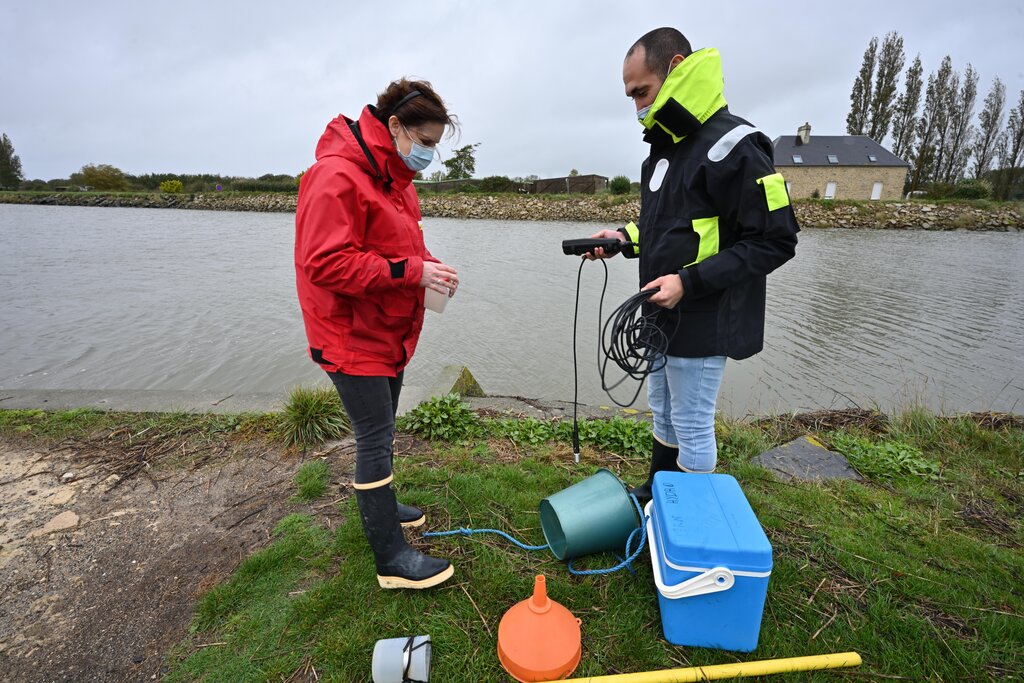
Good Samples and Bad Samples
The goal is to get a sample that is representative of the population. A representative sample accurately reflects the members of the entire group. If 40% of the people in a city are under 30, a representative sample of that city’s residents should also have about 40% of people under 30.
When a sample doesn't reflect the population, it’s biased. Bias gives you a skewed or misleading picture of the whole. It’s like tasting your soup only from the top where all the herbs have floated. You might think the soup is all herbs and no broth.
Imagine a survey asking about smartphone preferences, but it's only conducted in a retirement home. The results would likely show a strong preference for simple, easy-to-use phones, which doesn't represent the broader population of all smartphone users. That's a biased sample.
Bias can sneak in easily. If you survey people about their exercise habits by calling them on landline phones during the workday, you’re likely to miss people who work outside the home and don't have landlines. Your sample would be biased towards people who are at home during the day, like retirees or stay-at-home parents.
Avoiding bias is one of the most important jobs in research. A biased sample can lead to incorrect conclusions, wasted resources, and bad decisions. Understanding how to create a representative sample is the first step toward getting reliable and meaningful results.
Now, let's test your understanding of these foundational ideas.
In research, what is the term for the entire group you are interested in studying, such as all voters in a country?
A political pollster wants to predict an election outcome by surveying 1,500 people from a country of 50 million voters. In this scenario, the 1,500 people surveyed are the ____.
By understanding the difference between populations and samples, and the importance of keeping samples representative, you're ready to explore how researchers actually go about selecting their samples.