Samara's Future with Space Data Centers
Introduction to Space-Based Data Centers
Data Centers Beyond Earth
Every time you stream a movie, send an email, or access a file from the cloud, you’re using a data center. These facilities are the physical backbone of the digital world, packed with servers that store, process, and distribute vast amounts of information. On Earth, they are massive operations, consuming huge amounts of electricity and requiring powerful cooling systems to prevent overheating.
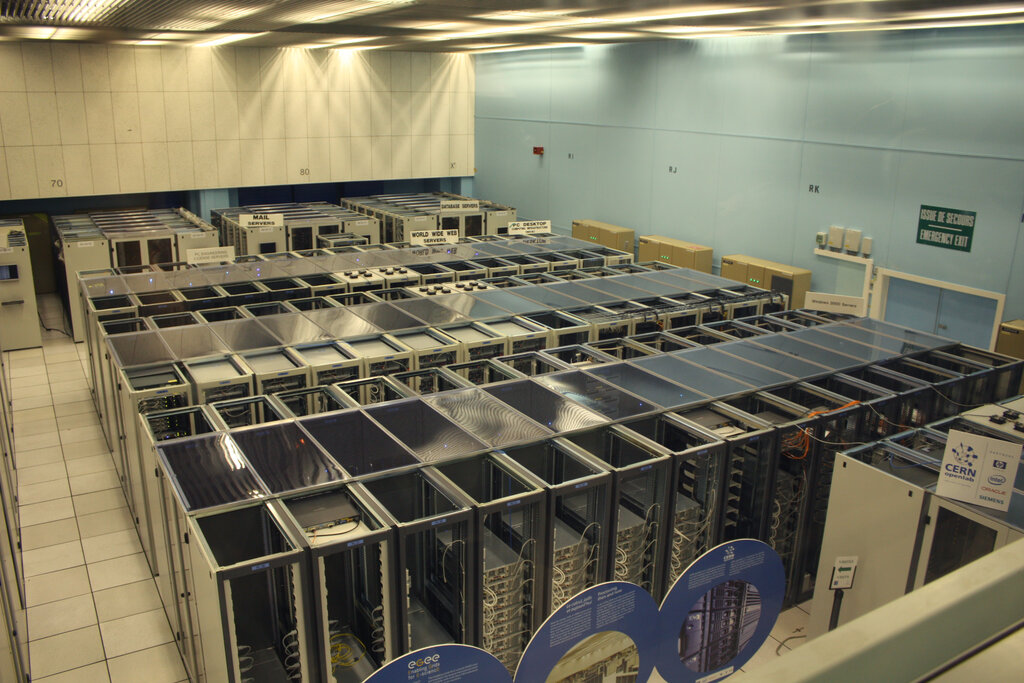
The energy footprint of these facilities is already enormous and growing fast. As our data needs expand, so does the strain on our planet's resources. This has led some engineers and entrepreneurs to look up—way up—for a solution.
Currently, terrestrial data centers consume a significant amount of energy, estimated at about 1.5% of worldwide electricity use.
The idea is to move data centers off-planet, placing them in orbit around the Earth or even on the Moon. Instead of building more power-hungry warehouses on the ground, we could create orbiting server farms that operate in the unique environment of space.
Why Go to Space?
Placing data centers in space presents two major advantages that directly address their biggest terrestrial problems: power and cooling.
First, there's energy. In orbit, a data center would have access to uninterrupted solar power. Unlike ground-based solar farms, which are limited by nighttime and weather, orbital solar panels can collect energy 24/7. This provides a constant, clean, and powerful source of electricity.
These space-based data centers could take advantage of the always-on, free fusion reactor at the center of the Solar System.
The second key advantage is cooling. On Earth, keeping servers from overheating is a massive expense, often requiring complex air conditioning and water-chilling systems. In the vacuum of space, heat can be radiated away far more efficiently. The frigid environment provides a natural, passive cooling system that is vastly more effective than any terrestrial solution.
The New Space Race
This isn't just science fiction. Several companies are actively working to make orbital and lunar data centers a reality. Lonestar Data Holdings, for example, is pioneering data storage on the Moon. The company sent a small data center to the lunar surface as part of a mission to test the concept, with the goal of providing secure, off-site data backup and archival services.
The Independence payload, by cloud computing company Lonestar, seeks to experiment with lunar data storage and transmission.
Other major players in the space industry, like Blue Origin, are also exploring related concepts. The development of reusable rockets has dramatically lowered the cost of launching payloads, making the idea of sending server racks into orbit more economically viable than ever before. These initiatives view space not just as a frontier for exploration, but as a platform for critical infrastructure.
Cosmic Challenges
Despite the promise, the path to a space-based internet is filled with obstacles. Launching equipment into orbit is still expensive and risky. The hardware itself must be completely redesigned to be compact, lightweight, and durable enough to survive the journey and operate in a harsh environment.

Maintenance is another huge hurdle. If a server fails on Earth, a technician can simply replace it. In space, repairs would require robotic systems or even crewed missions, both of which are incredibly complex and costly. The equipment must be exceptionally reliable.
Finally, there's the issue of radiation. Space is filled with high-energy particles that can disrupt electronics and corrupt data. Shielding the servers without adding too much weight to the payload is a significant engineering challenge that must be solved for these data centers to be dependable.
The unique challenges of the space environment necessitate a comprehensive, multi-disciplinary approach to secure space-based data centers.
Ready to test your knowledge?
What are the two primary environmental problems with Earth-based data centers that moving them to space aims to solve?
Why is cooling a data center in space potentially more efficient than on Earth?
While we may be years away from a network of orbital server farms, the concept represents a bold rethinking of our digital infrastructure. By looking to space, we might find a more sustainable way to power our ever-growing world of data.