Salted Egg Science
Egg Composition
Inside the Egg
At a glance, an egg seems simple. But cracking one open reveals two distinct parts that play very different roles: the clear, gelatinous egg white and the vibrant, rich yolk.
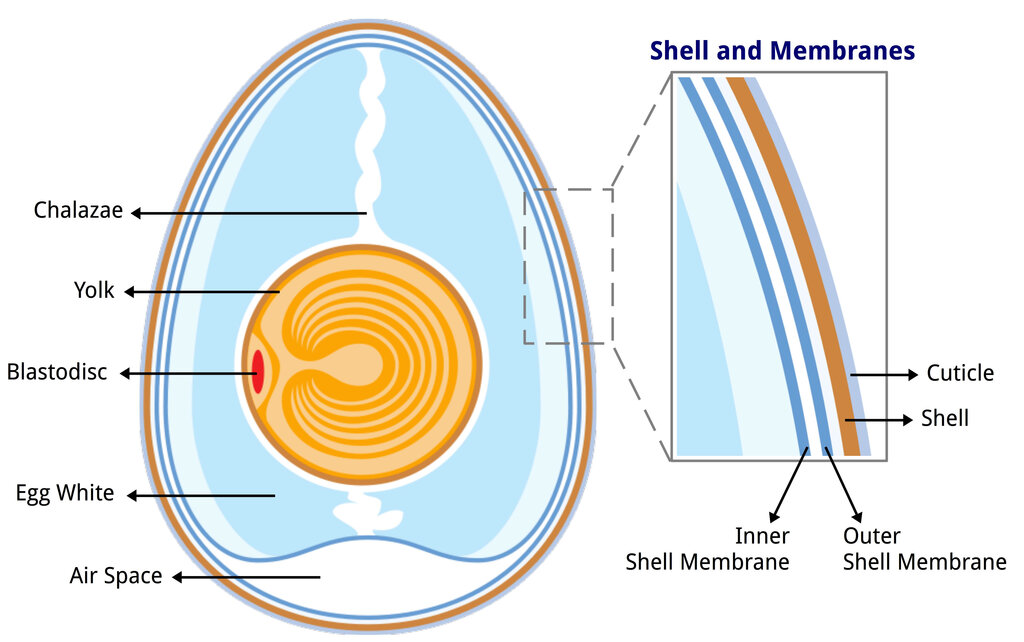
These aren't just random components. Each is a carefully constructed system with a specific job, both for a potential chick and for a chef in the kitchen.
The Protective White
The egg white, also known as the albumen, is about 90% water. The other 10% is almost entirely protein, with a key player being ovalbumin. The albumen's primary biological job is to act as a protective cushion. It physically shields the delicate yolk from shocks and jolts while also providing antimicrobial defenses to keep it safe from harmful bacteria.
Think of it as a natural shock absorber and security system, all in one.
The Nutrient-Rich Yolk
The yolk is the egg's nutritional core. Unlike the watery white, the yolk is packed with lipids (fats), vitamins, minerals, and its own set of proteins. Its main purpose is to be the primary food source for a developing embryo, supplying all the energy and building blocks it needs to grow.
This concentration of fats and nutrients is why yolks have a rich flavor and a creamy texture when cooked.
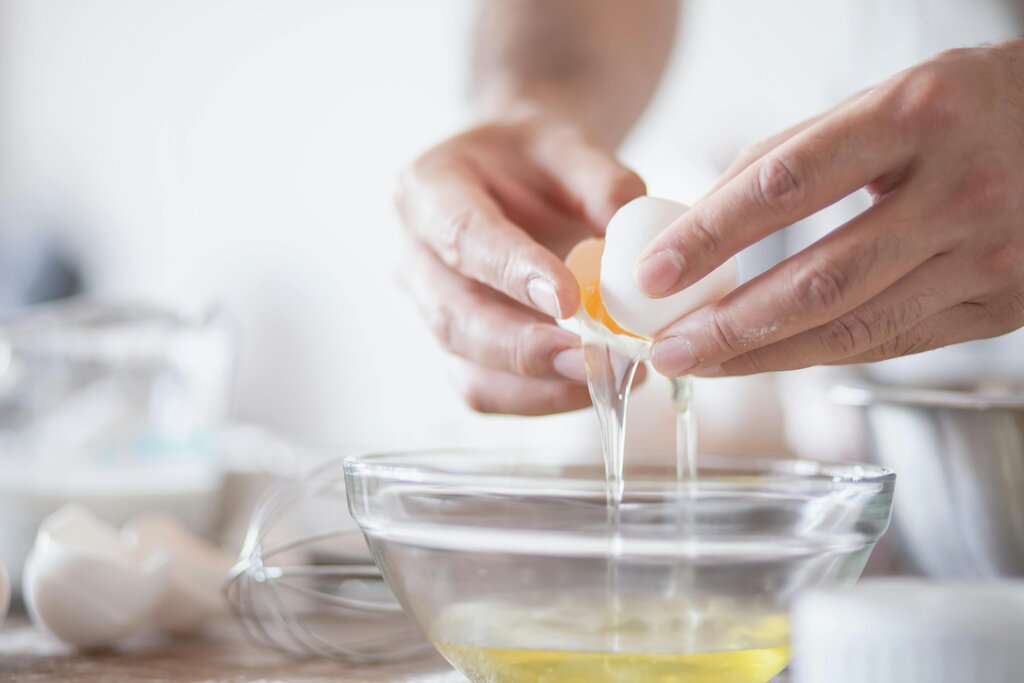
In the kitchen, these different compositions give the white and yolk unique culinary powers.
Eggs act as a binding agent in recipes, provide structure in baked goods, and even serve as an emulsifier in sauces like mayonnaise and hollandaise.
The proteins in the egg white are excellent at trapping air when whipped, creating light and fluffy meringues. The fats and a special molecule called lecithin in the yolk make it a powerful emulsifier, allowing oil and water to mix smoothly into stable sauces.
| Component | Primary Makeup | Biological Function |
|---|---|---|
| Egg White (Albumen) | ~90% water, ~10% protein | Cushions and protects the yolk |
| Egg Yolk | Fats, proteins, vitamins, minerals | Provides nutrients for the embryo |
Understanding these two parts is the first step to mastering how an egg behaves when you cook it.