Salesforce Essentials
Introduction to CRM
What is CRM?
At its heart, Customer Relationship Management (CRM) is a strategy for managing all your company’s relationships and interactions with customers and potential customers. The goal is simple: improve business relationships to grow your business.
At its core, Customer Relationship Management (CRM) is about cultivating and maintaining enriching relationships with your customers and prospects.
When people talk about CRM, they are usually referring to a CRM system, which is a tool that helps with contact management, sales management, agent productivity, and more. A CRM tool lets you store customer and prospect contact information, identify sales opportunities, record service issues, and manage marketing campaigns, all in one central location.
It makes data about every customer interaction available to anyone at your company who might need it. This allows for a more seamless and personalized customer experience.
From Rolodex to the Cloud
Managing customer relationships isn't a new idea. Businesses have always needed to keep track of who their customers are and their history with them. For decades, this meant physical address books, Rolodexes, and filing cabinets stuffed with notes.
As computers became common, these paper systems moved to digital spreadsheets and basic databases. While better than paper, these early digital methods had major drawbacks. Data was often siloed in different departments, making it hard for teams to collaborate. A salesperson wouldn't know if a customer they were calling had an outstanding issue with the support team. Information quickly became outdated, and there was little to no automation.
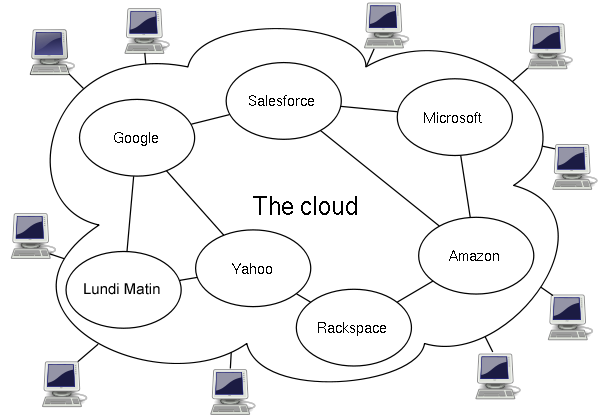
The next big leap was the arrival of cloud-based CRM solutions. Instead of installing and maintaining software on individual company servers, businesses could access their CRM through the internet. This change was revolutionary. Suddenly, up-to-date customer information was accessible from anywhere, on any device. It made collaboration between teams effortless and ensured everyone was working from the same playbook.
Why Bother with CRM?
Implementing a CRM system is about more than just organizing contacts. It's about building a customer-centric business. When done right, it offers powerful benefits.
A robust CRM system acts as a central hub for all customer information. This creates a single source of truth, eliminating confusion and empowering your teams to have informed, consistent conversations with customers.
With a unified view of the customer, communication between departments like sales, marketing, and customer service improves dramatically. Marketing can see what products a customer has shown interest in, sales knows their entire purchase history, and service has context for any issues that arise.
This leads to more effective, personalized interactions. You can tailor your communication and service to meet specific customer needs, which builds loyalty and improves retention. CRMs also automate repetitive administrative tasks, freeing up your team to focus on building relationships rather than on data entry. Finally, by tracking all this data, you gain valuable insights that lead to better, more informed business decisions.
A CRM system is the foundation for managing customer interactions in a scalable way. It turns messy data into organized information that helps businesses connect with customers, streamline processes, and drive growth.