Salesforce Data Cloud Implementation Mastery
Introduction to Salesforce Data Cloud
The 360-Degree Customer View
Imagine trying to understand a friend, but you only have bits and pieces of your conversations. You have their texts, but not their emails. You remember what they said yesterday, but not last week. It would be hard to get a clear picture, right?
Many businesses face a similar problem. Customer information is often scattered across different systems. Sales data is in one place, marketing interactions in another, and customer service history somewhere else entirely. These separate pools of information are called data silos.
Data Silo
noun
A repository of data that is isolated from and not accessible by other parts of an organization.
Salesforce Data Cloud is designed to solve this problem. Its main purpose is to connect all these scattered pieces of customer data into one unified profile. This gives a company a complete, 360-degree view of each customer, allowing for smarter, more personalized interactions.
Salesforce Data Cloud brings together data from multiple sources to build a single, comprehensive view of the customer.
How It All Works
So, how does Data Cloud actually take all that messy, disconnected data and turn it into something useful? The process can be broken down into four main stages: ingestion, storage, processing, and activation.
1. Data Ingestion: This is the starting point. Data Cloud pulls in information from countless sources. Think of data from your Salesforce CRM, marketing emails, website activity, mobile app usage, and even external systems. It’s built to handle vast amounts of data in real-time.
2. Data Storage: Once collected, the data needs a place to live. Data Cloud uses a flexible architecture called a "data lakehouse." This combines the massive storage capacity of a data lake with the structure and management features of a data warehouse. It means the system can store all types of data—structured (like in a spreadsheet) and unstructured (like social media posts)—in one place.
3. Data Processing: This is where the magic happens. Raw data from different sources often doesn't match up. A customer might use different email addresses or have slightly different names across systems. Data Cloud cleans, combines, and harmonizes this data to create a single, reliable profile for each individual. This unified view is often called the "Customer 360."
4. Data Activation: A unified customer profile isn't very useful if it just sits there. The final step is to make this data actionable. The insights from Data Cloud can be used to power personalized experiences across the entire Salesforce ecosystem. For example, a sales team can see a customer's recent service issues, or a marketing team can send an offer based on a customer's recent website activity.
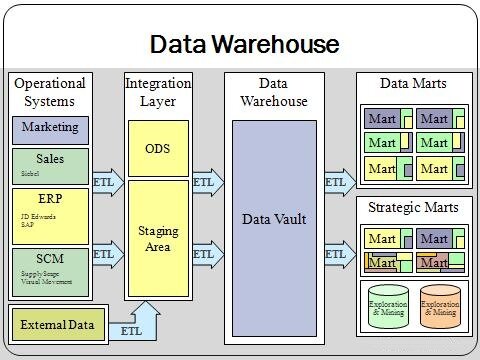
The real power of Data Cloud is its seamless integration with other Salesforce products. It acts as the central brain, feeding intelligent, up-to-the-minute customer data into Sales Cloud, Service Cloud, Marketing Cloud, and more. This empowers teams across the entire organization to work from the same playbook, ensuring a consistent and relevant customer experience at every touchpoint.
Data Cloud provides a solution for weaving that view from across the Salesforce ecosystem.
A New Name: Data 360
It's important to note a recent change. As of October 14, 2025, Salesforce Data Cloud has been rebranded to Data 360. While the name is different, the core functionality and purpose remain the same. The goal is still to provide that complete, 360-degree view of the customer. So, whether you see it called Data Cloud or Data 360, you're looking at the same powerful platform for unifying customer data.
Ready to test your knowledge? Let's see what you've learned about Salesforce Data Cloud.
What is the primary problem that Salesforce Data Cloud is designed to solve?
A sales team wants to view a customer's recent service issues before a call. Which stage of the Data Cloud process makes this unified data available to them within Sales Cloud?
Now you have a solid understanding of what Salesforce Data Cloud is and the problem it solves. By breaking down data silos and creating a unified customer profile, it empowers businesses to build stronger, more personalized relationships with their customers.