Salesforce Data Cloud Fundamentals
Introduction to Salesforce Data Cloud
What Is Salesforce Data Cloud?
Companies today have customer information scattered everywhere. It's in their sales software, marketing emails, e-commerce sites, and mobile apps. This fragmentation makes it nearly impossible to see the complete picture of a single customer.
Salesforce Data Cloud is a customer data platform (CDP) designed to solve this problem. It connects all of your scattered customer data from various sources and unifies it into a single, comprehensive profile for each person. Think of it as a central hub for everything you know about your customers.
The main goal is simple: to understand your customers on a deeper level so you can provide them with more personalized and meaningful experiences.

To achieve this, Data Cloud performs three core activities. First, it connects to all the different places your data lives. Then, it harmonizes this data, cleaning it up and merging it into one coherent view. Finally, it activates this unified data, making it available to your sales, marketing, and service teams so they can use it to create smarter, more tailored interactions.
How It Works: Core Activities
Let's break down the process. The first step is getting all the data into one place. This is called data ingestion.
Connect (Ingest): Data Cloud has built-in connectors that pull information from countless sources. This includes Salesforce's own apps like Sales Cloud and Service Cloud, as well as external platforms like e-commerce websites, mobile apps, and even data from physical stores. It can handle massive volumes of information, from simple purchase histories to real-time website clicks.
Harmonize (Unify): Once the data is collected, it needs to be made sense of. A customer might be listed as 'Jon Smith' in your sales system, 'J. Smith' in your email list, and use a different email on your website. Data Cloud's harmonization process identifies that these are all the same person. It cleans, merges, and maps all these data points to a standard model, creating a single, reliable customer profile. This unified profile is a living record that updates in real-time as new information comes in.
Unify Your Data: Use a robust CRM or a Customer Data Platform (CDP) to create a single, unified view of each customer.
Activate (Engage): With a complete view of each customer, you can now use that insight. Data activation is about making this unified profile useful. You can build highly specific audience segments, like 'customers who bought a specific product in the last 30 days but haven't opened our last two emails.' These segments can then be used to trigger personalized marketing campaigns, suggest relevant products, or provide proactive customer service.
Why a Unified Profile Matters
Creating a single source of truth for customer data isn't just about being organized. It directly impacts the customer experience and the business's bottom line.
First, it enables true personalization. Instead of sending generic messages, you can tailor communications based on a customer's entire history with your brand. A unified profile also allows for smarter segmentation, so you can target the right audiences with the right messages. Finally, it empowers your support teams with the full context of a customer's journey, leading to faster and more effective service.
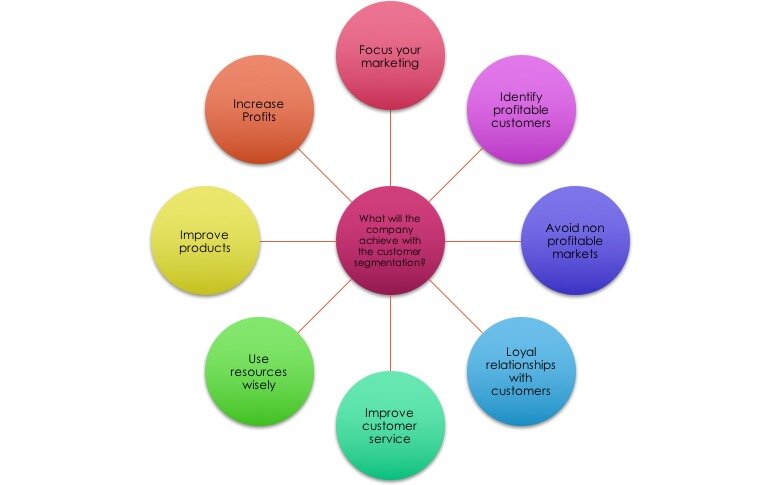
Ultimately, a unified view helps transform interactions from transactional to relational, building stronger, more loyal customer relationships. Now, let's test your understanding of these core concepts.
What is the primary problem Salesforce Data Cloud is designed to solve for businesses?
Which of the following lists the three core activities of Data Cloud in the correct order?
By unifying disparate data sources into a single view, Salesforce Data Cloud gives companies the power to understand and engage with their customers like never before.