Sales Funnel Creation
Introduction to Sales Funnels
What is a Sales Funnel?
A sales funnel is a model that shows the path a potential customer takes, from their first contact with your brand to the moment they make a purchase. Think of it as a roadmap for turning a stranger into a paying customer. It helps businesses understand what potential customers are thinking and doing at each step of their journey.
A sales funnel is a visual representation of the customer journey, illustrating the stages a prospect goes through before making a purchase.
The name "funnel" comes from its shape. At the top, the funnel is wide, representing all the people who might become aware of your product or service. As people move down through the stages, some will drop off, and the funnel gets narrower. At the very bottom are the people who actually buy something. The goal is to guide as many people as possible from the wide top to the narrow bottom.
The Four Stages
The customer journey is typically broken down into four key stages. This model is often called AIDA, which stands for Awareness, Interest, Decision, and Action.
Let's break down what each stage means.
1. Awareness: This is the "first date." A potential customer becomes aware that your business or product exists. They might see an ad, read a blog post you wrote, find you on social media, or hear about you from a friend. At this stage, you're just getting on their radar. They aren't ready to buy; they just know you're out there.
2. Interest: Now that they know who you are, the person's interest is piqued. They start to actively research and learn more. They might browse your website, subscribe to your newsletter, or compare your product with others. They're trying to figure out if what you offer can solve a problem they have.
3. Decision: The potential customer is now seriously considering making a purchase. They've done their research and are weighing their options. They might be looking at specific product pages, reading reviews, or checking your pricing. They are close to making a choice, and your goal is to convince them that your solution is the best one.
4. Action: This is the final step. The customer decides to buy. They add the product to their cart, enter their payment information, and click the "purchase" button. They've officially moved from a potential customer to an actual customer. The action could also be signing up for a free trial or scheduling a consultation.
Why It Matters
Understanding the sales funnel isn't just a theoretical exercise. It's a practical tool for growing a business. When you map out this journey, you can see exactly where you're succeeding and where you're losing people. Maybe lots of people visit your website (Awareness), but very few sign up for your newsletter (Interest). That tells you there might be a problem with your website's content or calls to action.
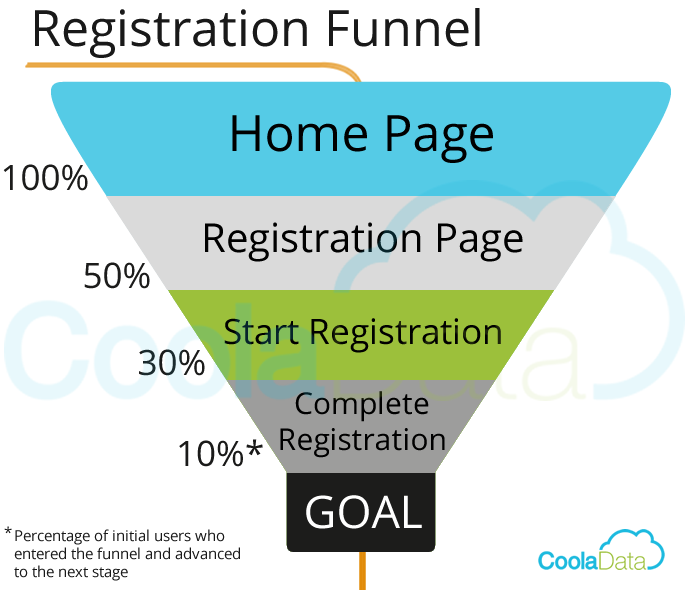
A well-structured funnel allows you to create targeted marketing messages for people at each specific stage. Someone in the Awareness stage needs different information than someone in the Decision stage. By tailoring your approach, you can communicate more effectively and improve your chances of making a sale.
Ultimately, a sales funnel gives you a clear framework for your marketing and sales strategies. It helps you organize your efforts, measure your results, and systematically find ways to improve.
What is the primary purpose of a sales funnel?
The AIDA model is a common framework for the stages of a sales funnel. What does AIDA stand for?