Sales Excellence in Payment Processing
Payment Processing Basics
The Players in the Game
When you buy something with a card, the money doesn't just teleport from your account to the store's. It's a team effort, with several key players working together behind the scenes to make the transaction happen securely and instantly.
Here’s a quick rundown of the cast:
- You, the Customer: Also known as the cardholder. You start the whole process by wanting to buy something.
- The Merchant: The business selling the product or service.
- The Acquiring Bank: The merchant's bank. It manages the merchant's account and receives the funds from card sales.
- The Issuing Bank: Your bank. It issued your credit or debit card and is responsible for sending payment on your behalf.
- The Card Network: Think Visa, Mastercard, or American Express. These networks act as the highway system for payment data, connecting the banks and setting the rules for transactions.
- The Payment Processor: This is the technology partner that securely shuttles transaction information between the merchant, the banks, and the card network. They are the communication hub.
A Transaction's Journey
Every transaction goes through a two-step journey: authorization and settlement. It all happens in seconds, but a lot is going on.
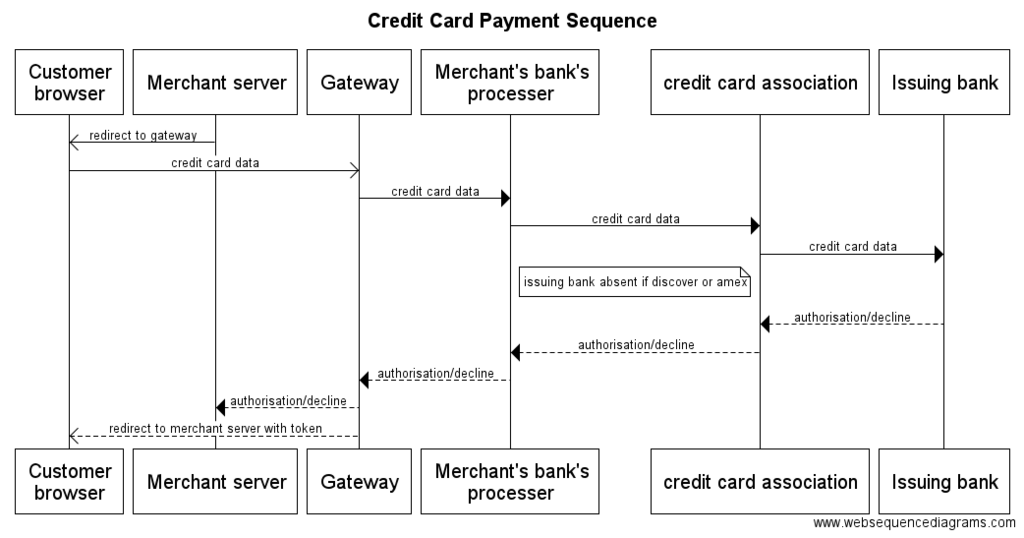
Step 1: Authorization
This is the initial approval step. When you tap, swipe, or enter your card details, the merchant's system asks your bank, "Is this person good for the money?"
- You present your payment method to the merchant.
- The merchant’s system sends the transaction details to their payment processor.
- The processor routes the information through the correct card network to your issuing bank.
- Your bank checks if the account is valid, has sufficient funds or credit, and isn't flagged for fraud. It then sends an approval or denial message back along the same path.
- The approval code appears on the merchant’s terminal, and you get a receipt. The funds are now on hold in your account, reserved for the merchant.
Authorization is like making a reservation. The money is set aside, but it hasn't actually moved to the merchant's account yet.
Step 2: Settlement
This is when the money actually moves. At the end of the day, the merchant sends a batch of all their approved transactions to their acquiring bank.
- The acquiring bank sends these batches of transactions to the appropriate card networks.
- The card networks forward the transactions to the correct issuing banks.
- The issuing banks transfer the funds to the acquiring bank, minus any interchange fees (the cost of the transaction).
- Finally, the acquiring bank deposits the funds into the merchant's account, minus their own fees. This process, called settlement, usually takes one to three business days.
Ways to Pay
While the underlying process is similar, customers have several ways to pay. Each method has its own nuances.
| Method | How It Works | Key Feature |
|---|---|---|
| Credit Cards | You borrow money from your issuing bank to make a purchase. | Buy now, pay later. |
| Debit Cards | Funds are withdrawn directly from your checking account. | Uses your own money. |
| ACH Transfers | Electronic, bank-to-bank money transfers processed through the Automated Clearing House network. | Good for recurring payments like bills. |
| Digital Wallets | Apps like Apple Pay or Google Pay securely store your card information on your phone. | Allows for quick, contactless payments. |
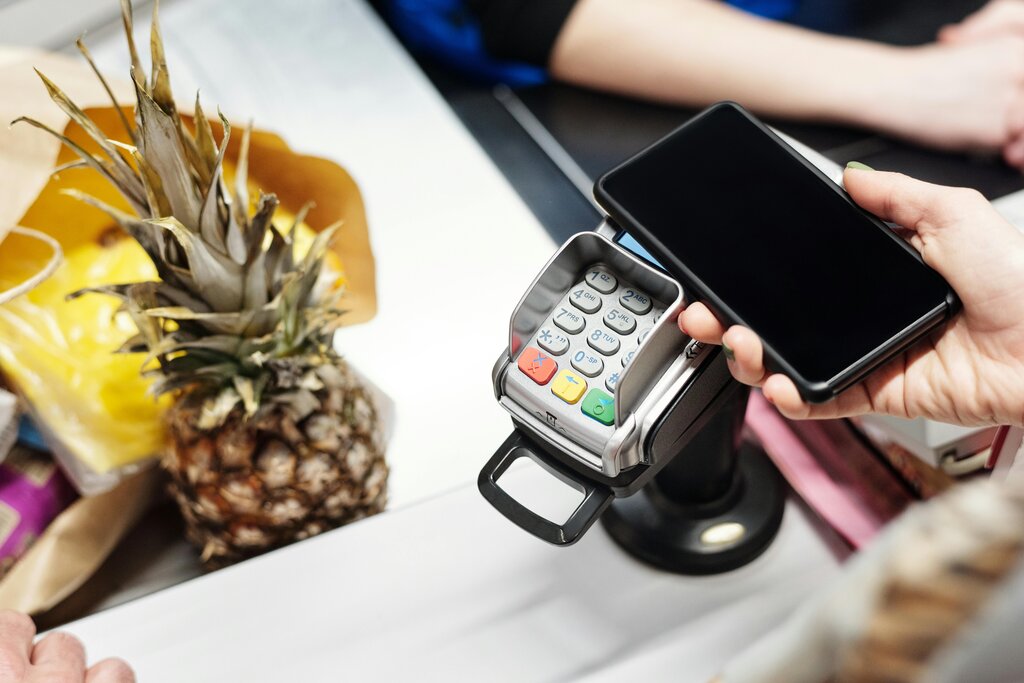
Each of these payment methods relies on the same network of stakeholders to authorize and settle transactions. Whether you're swiping a card or tapping your phone, the journey from your account to the merchant's is a well-coordinated dance between banks, processors, and networks.
When you make a purchase, which entity is responsible for checking if your account has sufficient funds and sending payment on your behalf?
The initial, real-time approval of a card transaction is called __________, while the process of actually moving the funds between banks is called __________.
Understanding these core components is the first step in navigating the world of payment processing.