Safe Strength Training Design
Understanding Strength Training
What Is Strength Training?
Strength training is any physical activity where you use resistance to make your muscles contract. This contraction builds strength, anaerobic endurance, and the size of your muscles. The resistance can come from free weights like dumbbells, weight machines, resistance bands, or even your own body weight.
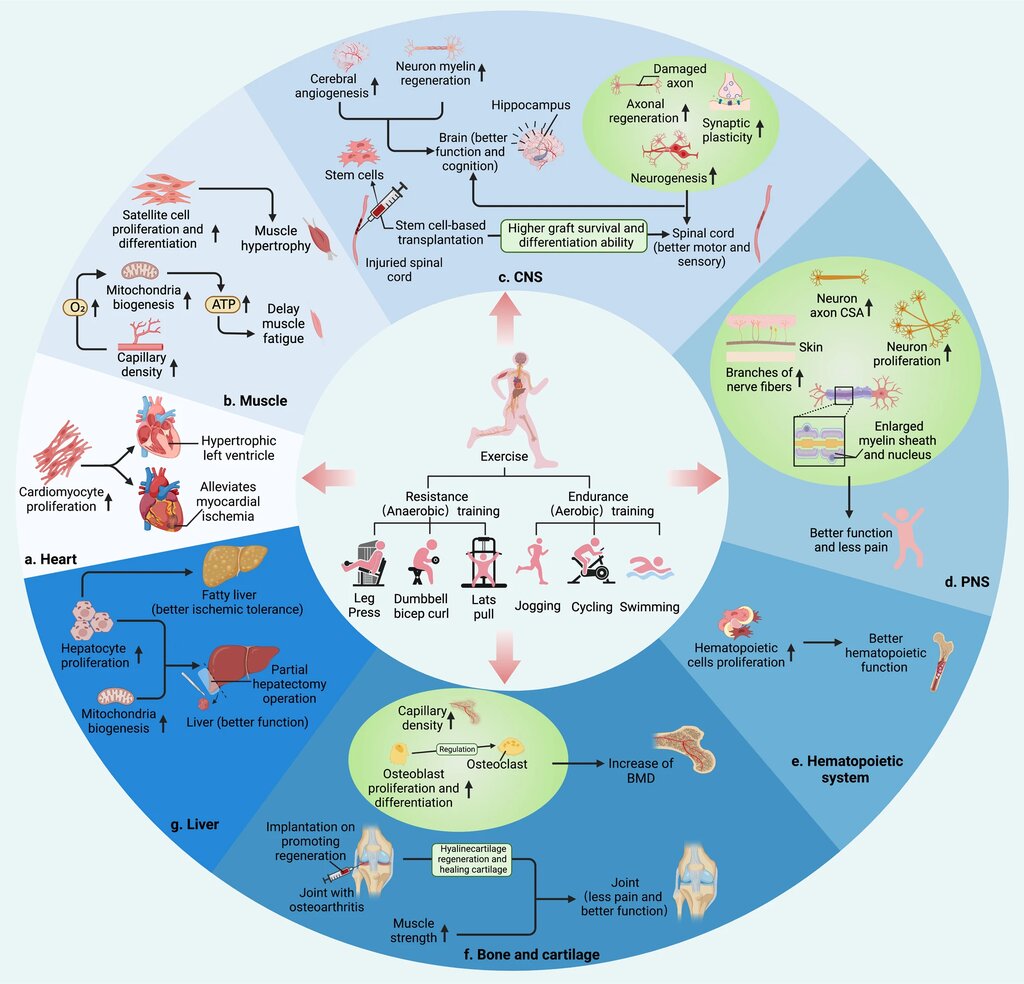
The benefits go far beyond bigger muscles. When you consistently challenge your muscles, you're also strengthening your bones, which helps guard against osteoporosis. A higher muscle mass boosts your metabolism, meaning you burn more calories even when you're resting. Everyday activities, from carrying groceries to playing with your kids, become easier and safer.
The Core Principles
To get the most out of strength training safely, a few key ideas should guide you. Think of them as the foundation for every lift, push, and pull.
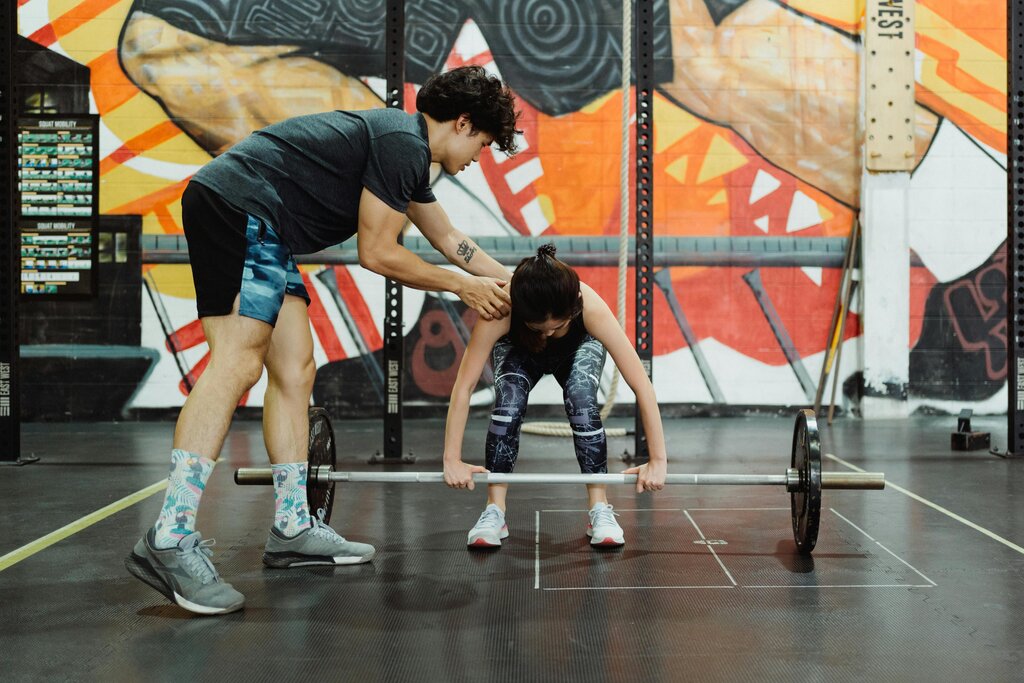
First is proper form. Moving correctly during an exercise ensures you're working the intended muscles and, more importantly, reduces your risk of injury. It's always better to use less weight with good form than to lift heavy with bad form.
Next is gradual progression, often called progressive overload. To get stronger, you have to consistently challenge your muscles more than they're used to. This doesn't happen overnight. It means slowly increasing the weight you lift, the number of repetitions you do, or the difficulty of the exercise over weeks and months. This steady increase is what tells your body it needs to adapt by building more muscle.
Progressive overload is the cornerstone of strength training, dictating that in order to continually make gains in strength and muscle mass, you must gradually increase the demands placed on your muscles over time.
Finally, a balanced routine is essential. It's common for people to focus on the muscles they see in the mirror, like the chest and biceps. But neglecting other areas can lead to muscle imbalances, which can cause poor posture and injuries. A good program works all the major muscle groups to build a strong, functional body.
Your Major Muscle Groups
A balanced routine targets all the body's main muscle groups. While there are hundreds of individual muscles, they can be organized into a few key areas.
- Upper Body: This includes your chest (pectorals), back (lats and rhomboids), and shoulders (deltoids). Your arms also have key muscles: biceps on the front and triceps on the back.
- Core: These are the muscles around your midsection, including your abdominals and lower back. A strong core is vital for stability in almost every movement you make.
- Lower Body: This group consists of your glutes (buttocks), quadriceps (front of your thigh), hamstrings (back of your thigh), and calves.
Now that you understand the basic concepts, let's check your knowledge.
What is the primary purpose of the principle of 'progressive overload' in strength training?
Focusing a workout routine only on chest and arm exercises can lead to which of the following?
By keeping these principles in mind, you can build a safe and effective foundation for getting stronger.