Safe Sex Practices
Understanding Human Sexuality
The Biology of Sex
Human sexuality is a core part of who we are, but it starts with biology. Our bodies are equipped with complex systems for reproduction, and understanding them is the first step to understanding sexuality as a whole. These systems are often categorized as male or female, though there is natural variation in anatomy.
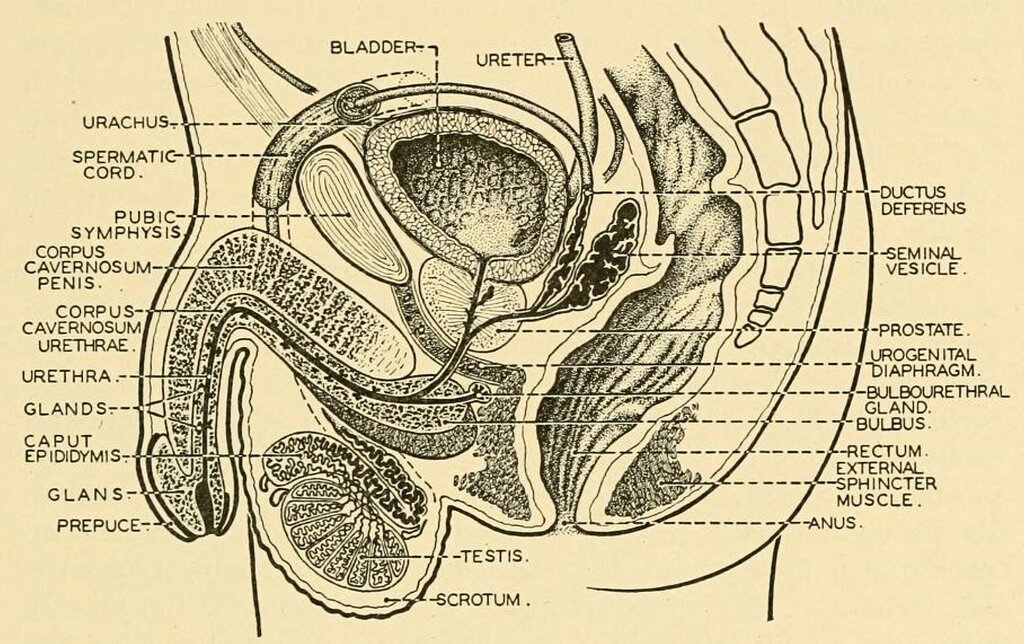
The primary male reproductive organs are the testes (singular: testis). They produce sperm and testosterone, the main male sex hormone. The testes are held outside the body in a sac called the scrotum, which helps regulate their temperature for optimal sperm production.
From the testes, sperm travel through a series of tubes. They pass through the vas deferens and mix with fluids from the seminal vesicles and the prostate gland. This mixture is called semen. The semen then exits the body through the urethra, a tube that runs through the penis.
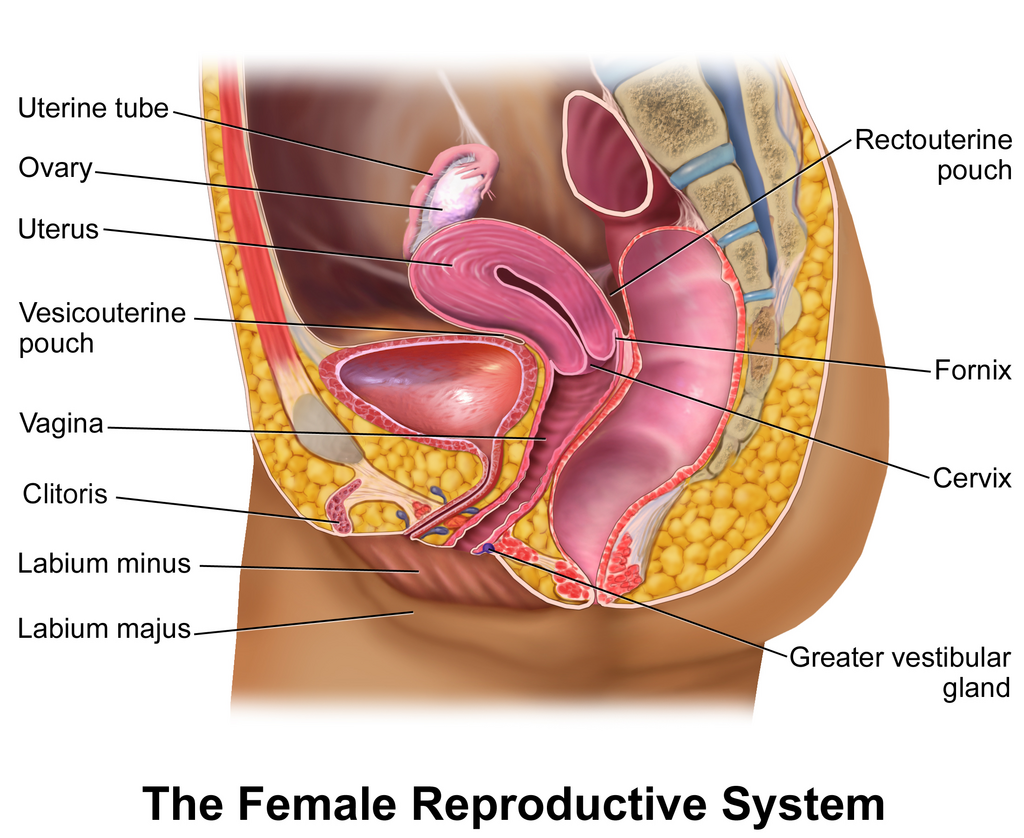
The female reproductive system is centered around the ovaries, which produce eggs and the primary female sex hormones, estrogen and progesterone. Each month, one ovary typically releases an egg in a process called ovulation. The egg travels down a fallopian tube, where it can be fertilized by sperm.
The uterus is a muscular organ where a fertilized egg can implant and develop during pregnancy. The lower part of the uterus is called the cervix, which connects to the vagina. The vagina is a muscular tube that connects the cervix to the outside of the body. The external female genitals are collectively known as the vulva.
From Childhood to Adulthood
Humans aren't born with the ability to reproduce. This capacity develops during a period of rapid growth and change called puberty. Puberty is triggered by the brain, which signals the reproductive organs to start producing sex hormones.
puberty
noun
The process of physical changes through which a child's body matures into an adult body capable of sexual reproduction.
In males, the primary hormone is testosterone. It causes changes like the voice deepening, hair growth on the face and body, muscle development, and the start of sperm production.
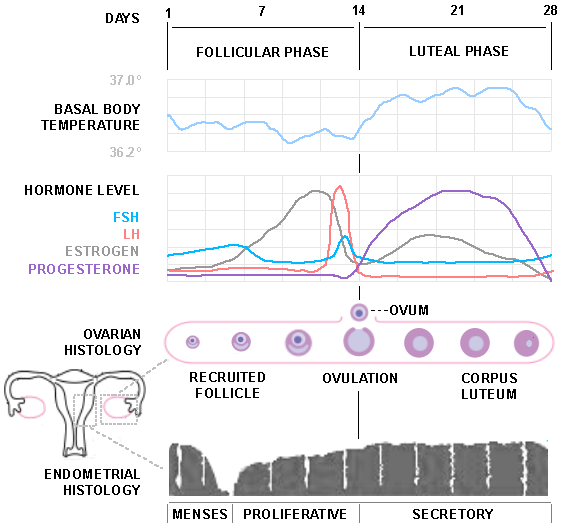
In females, the main hormones are estrogen and progesterone. These cause breast development, widening of the hips, and the start of the menstrual cycle. The menstrual cycle is a monthly series of changes a woman's body goes through in preparation for the possibility of pregnancy. Each month, if pregnancy doesn't occur, the uterus sheds its lining, which results in menstruation.
Identity and Attraction
Sexuality is more than just anatomy and hormones. It also involves our sense of self and our patterns of attraction to others. Two key concepts here are gender identity and sexual orientation.
gender identity
noun
A person's internal, deeply held sense of their gender, which may or may not correspond to the sex they were assigned at birth.
Most people are assigned a sex at birth, either male or female, based on their external anatomy. For many people, this assignment aligns with their internal sense of self. These individuals are cisgender. For others, their gender identity is different from the sex they were assigned. These individuals may identify as transgender. Some people don't identify strictly as male or female and may use terms like non-binary or genderqueer.
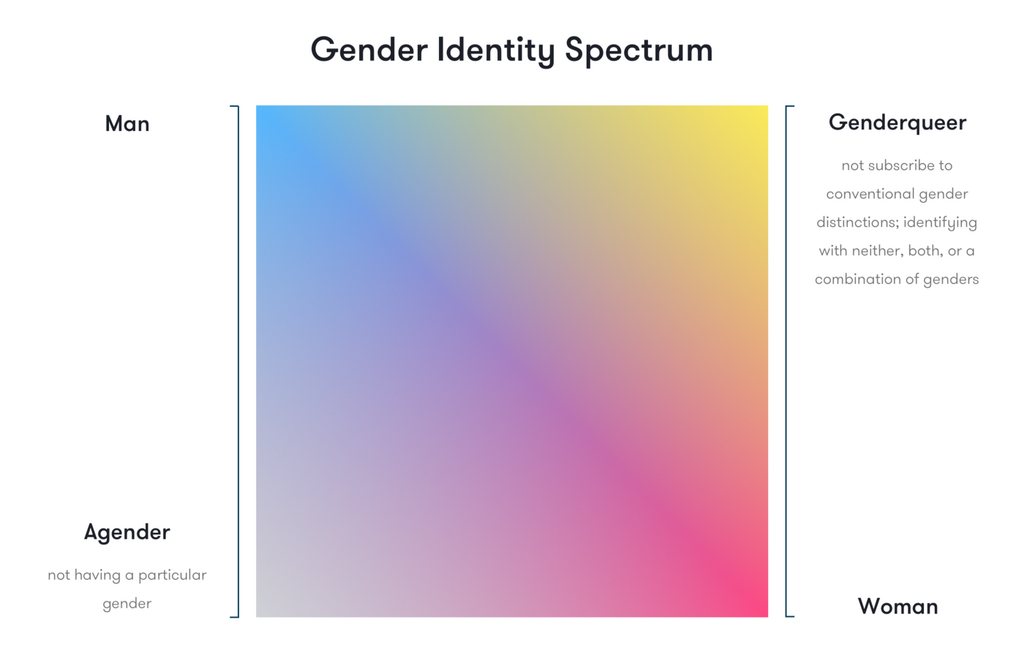
Sexual orientation, on the other hand, is about who you are emotionally, romantically, or sexually attracted to. Like gender, sexual orientation exists on a spectrum.
Some common terms for sexual orientation include:
- Heterosexual: Attraction to people of a different gender.
- Homosexual (or gay/lesbian): Attraction to people of the same gender.
- Bisexual: Attraction to people of more than one gender.
- Pansexual: Attraction to people regardless of their gender.
- Asexual: Experiencing little or no sexual attraction.
More Than Just Biology
While biology provides the foundation, our experience of sexuality is shaped by powerful psychological and social forces. Our thoughts, feelings, and beliefs about sex are influenced by our personality, upbringing, and personal experiences. What one person finds fulfilling or desirable can be very different from another.
Society also plays a huge role. Culture, laws, media, and religion all provide messages about what is considered "normal" or acceptable when it comes to sex, relationships, and identity. These social norms can influence everything from how we express our sexuality to how comfortable we feel about our bodies.
Understanding sexuality means appreciating all these layers: the biological machinery, the personal journey of identity, and the social context we live in.
Sexual health requires a positive and respectful approach to sexuality and sexual relationships, as well as the possibility of having pleasurable and safe sexual experiences, free of coercion, discrimination and violence.
Ultimately, human sexuality is a diverse and multifaceted aspect of the human experience. Learning about its foundations is a key part of understanding ourselves and others.
What are the two primary functions of the testes in the male reproductive system?
The monthly release of an egg from an ovary is known as ______.