SaaS Sales for Restaurants
Understanding Restaurant Operations
The Heart of the House
The kitchen, often called the “back of house,” is the engine of any restaurant. It’s a place of controlled chaos, where raw ingredients are transformed into finished dishes. The workflow is designed for maximum efficiency, especially during the dinner rush.
It starts with prep. Long before the first customer arrives, cooks are chopping vegetables, making sauces, and portioning proteins. This preparation ensures that when an order comes in, the process is smooth and fast. When the restaurant opens, the kitchen shifts into service mode. A ticket prints, the expeditor calls out the order, and the line cooks spring into action. Each cook has a specific station—grill, sauté, fry, or garde manger (cold dishes)—and is responsible for their part of the dish. It’s like an assembly line, but for food.
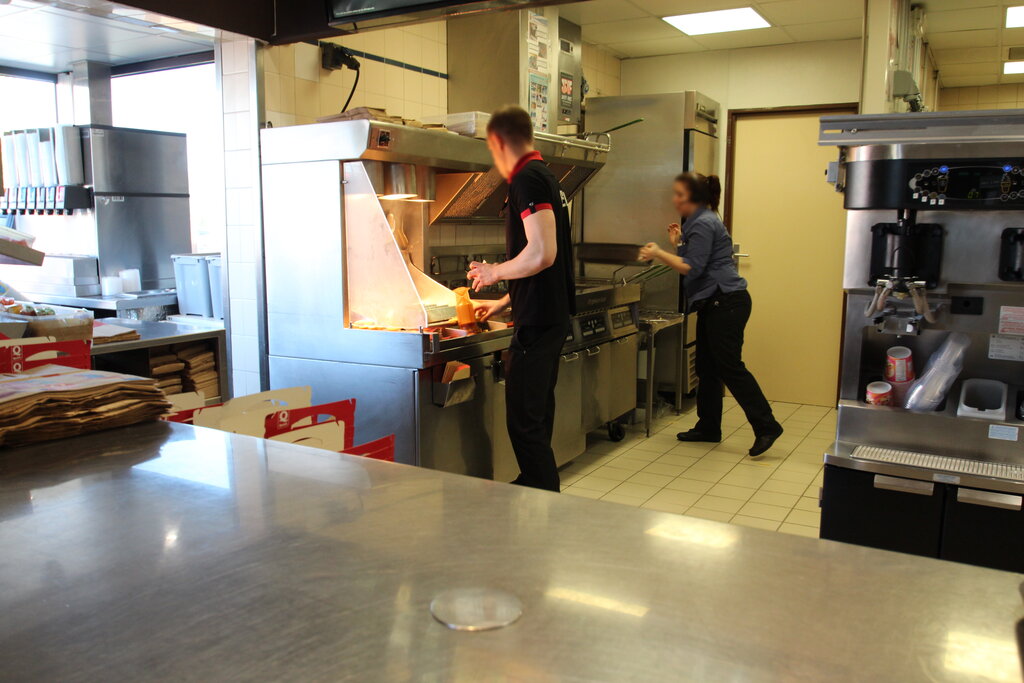
Communication is constant and crucial. Cooks shout confirmations like “Heard!” or “Two minutes on the salmon!” to keep everyone in sync. The final step is plating, where the expeditor ensures every dish looks perfect and matches the ticket before it’s handed off to a server.
The Face of the Restaurant
While the kitchen is the engine, the “front of house” is the experience. This is every part of the restaurant a customer sees and interacts with, from the host stand to the table. The goal here is simple: make people feel welcome and cared for.
The customer journey begins with the host, who greets guests and manages seating. A good host can prevent bottlenecks at the door and sets the tone for the entire meal. Once seated, the server takes over. They are the primary point of contact, guiding guests through the menu, taking orders, and coordinating with the kitchen. Their job is part sales, part logistics, and part performance art.
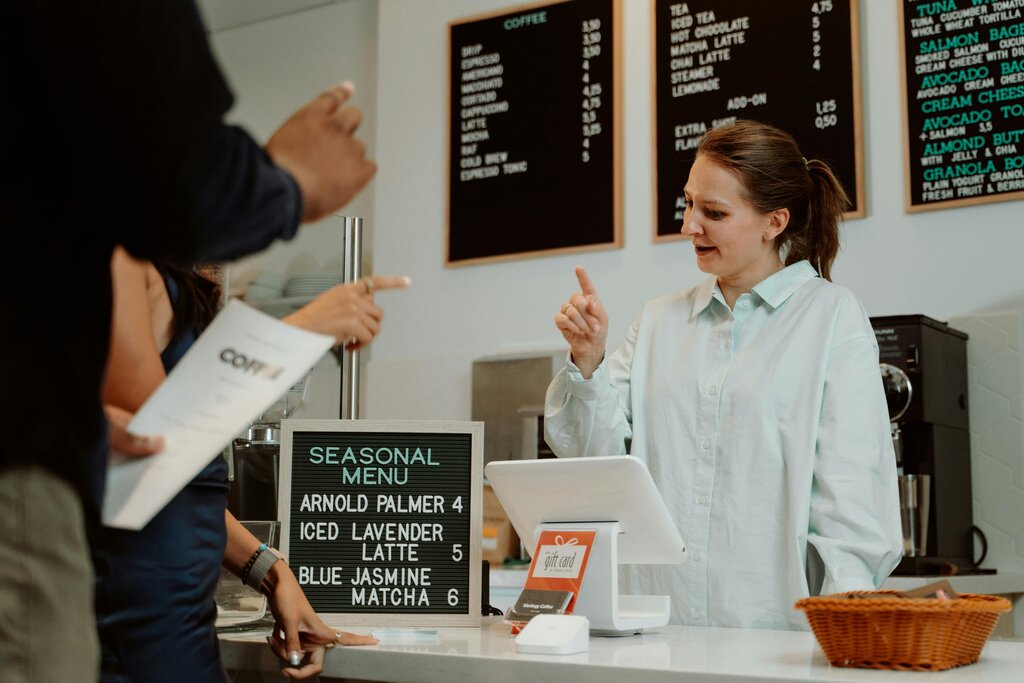
Behind the scenes, bussers clear and reset tables, ensuring a smooth transition between guests. Bartenders mix drinks and often manage their own small service area. Everyone works together to create a seamless flow. A key part of front-of-house operations is managing the pace of the meal, ensuring courses arrive on time and that guests never feel rushed or ignored.
Great service can save a mediocre meal, but poor service can ruin a great one.
Customer service protocols are the unwritten rules and formal training that guide these interactions. This includes how to handle a complaint, how to accommodate dietary restrictions, and how to build rapport with regulars. The goal isn't just to serve food, but to create an experience that brings people back.
Counting Every Bean
A restaurant's profit margin is famously thin, and a huge part of that comes down to inventory control. This is the process of tracking every single ingredient from the moment it’s delivered until it lands on a customer's plate. Poor inventory management leads directly to lost money.
The process involves receiving shipments, checking for quality and quantity, and storing everything properly. A common principle is “First-In, First-Out” (FIFO), meaning older stock is used before newer stock to minimize spoilage. A head chef or manager regularly takes a physical count of all inventory, a tedious but necessary task, to compare what should be on the shelves with what is actually there.
In a restaurant, every spoiled tomato or over-portioned piece of fish is a direct hit to the bottom line.
This data helps managers calculate their food costs, identify potential theft or waste, and make smarter purchasing decisions. It also informs menu engineering—if an ingredient is becoming too expensive, a dish might be repriced or removed from the menu entirely.
Common Challenges
Running a restaurant is a balancing act. Managers are constantly juggling several major challenges that can make or break their business.
| Challenge | Description |
|---|---|
| Staff Turnover | The restaurant industry is known for high employee turnover, making it difficult to maintain a well-trained, consistent team. |
| Thin Profit Margins | With high costs for food, labor, and rent, the average profit margin for a restaurant is only around 3-5%. |
| Maintaining Consistency | Ensuring a dish tastes and looks the same every time it's ordered is a huge operational challenge, especially with multiple chefs and high turnover. |
| Managing Peak Hours | The 'rush' puts immense pressure on both the kitchen and front-of-house staff. Handling this surge without a drop in quality or service is critical. |
| Food Waste & Spoilage | Balancing having enough inventory to meet demand without over-ordering and creating waste is a constant struggle. |
Understanding these core operational pieces—the kitchen's flow, the front-of-house's customer focus, the tight control of inventory, and the daily challenges—is the first step to understanding the business of a restaurant. It's a complex machine with many moving parts, all of which need to work in harmony.
What is the primary purpose of the 'First-In, First-Out' (FIFO) principle in restaurant inventory management?
In a professional kitchen, which station is typically responsible for preparing cold dishes like salads and appetizers?