SaaS Sales and Scaling Mastery
SaaS Fundamentals
What Is SaaS?
Software as a Service, or SaaS, is a way of delivering applications over the Internet—as a service. Instead of installing and maintaining software, you simply access it via the internet, freeing yourself from complex software and hardware management.
Think about the difference between buying a DVD and streaming a movie. A decade ago, you'd buy a physical disc. It was a one-time purchase, you owned it, and it was your responsibility. If it got scratched, you were out of luck. Streaming is the SaaS model. You pay a monthly fee to a service like Netflix, and you can watch thousands of movies on any device. The company handles all the storage, updates, and maintenance. You just log in and press play.
With traditional software, you buy a license. With SaaS, you rent the software through a subscription.
This model shifts the responsibility from the user to the provider. The SaaS company hosts and maintains the servers, databases, and the code that makes up an application. This is a fundamental change from the on-premise software model, where users had to manage everything themselves.
Key Characteristics
SaaS applications have a few distinct traits that set them apart.
First, they're centrally hosted. The software runs on the provider's servers, not on your local machine. This means you don't need to worry about hardware requirements or installations.
Second, access is subscription-based. Customers typically pay a recurring fee, usually monthly or annually, to use the service. This creates a predictable revenue stream for the provider and a predictable expense for the customer.
Finally, and most importantly from a technical standpoint, most SaaS applications use a multi-tenant architecture.
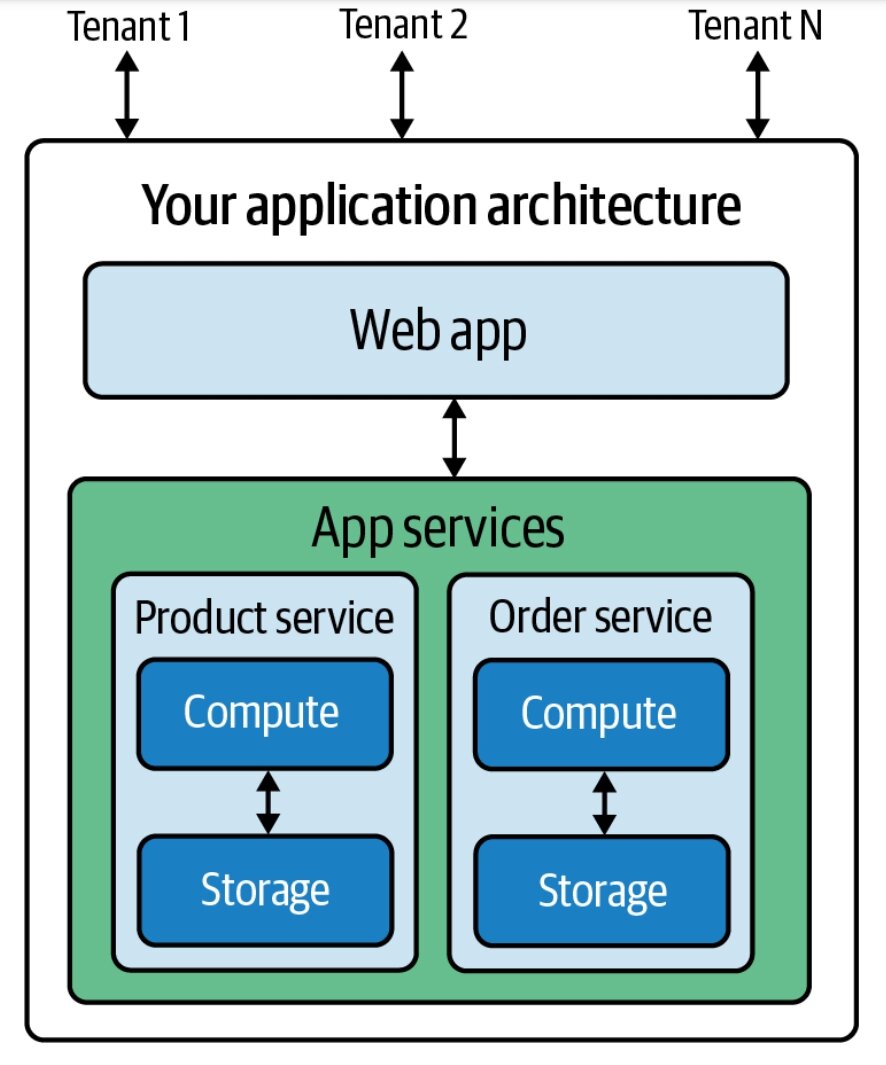
Multi-tenancy is like living in an apartment building. All residents share the same building structure, plumbing, and electricity, but each has their own secure, private apartment. Similarly, in a multi-tenant SaaS application, all customers (tenants) share the same application and infrastructure, but their data is kept separate and secure.
Advantages Over Traditional Software
The SaaS model offers significant benefits for both customers and businesses. For customers, the most obvious advantage is the lower upfront cost. There's no need to buy an expensive, perpetual license or invest in powerful hardware to run the application.
Other customer benefits include:
- Accessibility: Use the software from any device with an internet connection.
- Automatic Updates: The provider handles all updates and patches, so you're always using the latest version.
- Scalability: You can easily adjust your subscription plan as your needs change.
For businesses that provide SaaS, the model creates a steady, recurring revenue stream instead of one-time sales. This makes financial forecasting much more reliable. It also allows them to maintain a single codebase, making it easier to roll out new features and fixes to all users simultaneously.
Common Hurdles for SaaS Businesses
While the SaaS model is powerful, it comes with its own set of challenges. One of the biggest is customer churn. Because customers pay on a subscription basis, they can cancel at any time. This means SaaS companies must constantly provide value to retain their users.
Data security is another major concern. Customers entrust the SaaS provider with their sensitive information, so a security breach can be catastrophic for the business's reputation and finances.
Finally, the market is often crowded. Standing out requires more than just a good product; it requires a deep understanding of the customer's needs.
Clearly define the problem your SaaS product addresses and how your solution effectively solves it.
Let's review these core concepts.
What is the fundamental difference between the SaaS model and traditional on-premise software?
A key technical characteristic of most SaaS applications is a 'multi-tenant architecture'. What does this mean?
Understanding these fundamentals—what SaaS is, its architecture, and its unique challenges—is the first step toward building and selling a successful product.