SaaS Distribution Readiness
Introduction to SaaS
What is SaaS?
Think about the difference between buying a house and renting a furnished apartment. When you buy a house, you're responsible for everything: the initial purchase, the foundation, plumbing, electricity, and all ongoing maintenance. It's a huge upfront investment and a lot of work to keep it running. Renting an apartment is different. You just pay a monthly fee, and you get a ready-to-use space with all the utilities and maintenance handled by the landlord.
Software as a Service, or SaaS, is like renting that apartment. Instead of buying software on a disk and installing it on your computer, you access it over the internet through a web browser. The provider handles all the complex stuff—the servers, the database, the code, and all the updates—behind the scenes.
Software as a Service (SaaS) is a cloud-based software delivery model in which applications are hosted and provided to users over the internet.
This model shifts the responsibility of managing the software from you to the company that provides it. You simply log in and use it. This approach has completely changed how we interact with software for both personal and business use.
Key Characteristics
SaaS isn't just about accessing software online. A few core principles set it apart.
One of the most important is multi-tenancy. In a multi-tenant architecture, a single instance of the software application serves multiple customers, or "tenants." It's like that apartment building analogy again: one building houses many residents. Each tenant's data is isolated and remains invisible to other tenants, ensuring privacy and security. This model is incredibly efficient for the provider, which translates to lower costs for the user.
Another defining feature is the subscription-based pricing model. Instead of a large, one-time payment for a software license, SaaS products typically involve a recurring fee, paid monthly or annually. This makes powerful software more accessible to small businesses and individuals who might not be able to afford the steep upfront cost of traditional software.
This recurring revenue model provides stability for the provider and predictable costs for the customer.
Finally, all of this is made possible by centralized hosting. The application is hosted on the provider's servers and delivered to users over the internet. This means you don't need to worry about hardware, maintenance, or updates. The provider handles everything, and new features or fixes are rolled out to all users automatically.
Advantages Over Traditional Software
The shift from on-premises software to SaaS offers some clear benefits. The most obvious is the lower upfront cost. There's no expensive license to buy, and you don't need to purchase powerful servers to run the application.
| Feature | Traditional Software (On-Premises) | SaaS (Cloud-Based) |
|---|---|---|
| Cost | Large upfront license fee + hardware costs | Lower, recurring subscription fee |
| Installation | User installs and configures on-site | No installation required; access via browser |
| Maintenance | User's IT team is responsible | Provider manages all updates and maintenance |
| Accessibility | Limited to specific, licensed devices | Accessible from any device with an internet connection |
| Scalability | Requires purchasing new hardware/licenses | Plans can be easily upgraded or downgraded |
This model also greatly reduces the burden on your IT department. With SaaS, there’s no software to install on every employee’s computer, no servers to maintain, and no patches or updates to manually deploy. The provider handles it all, freeing up your team to focus on other priorities.
Because the software is accessed online, you can use it from anywhere on any device, whether it's your work computer, home laptop, or phone. This flexibility is essential for modern, remote-friendly work environments.
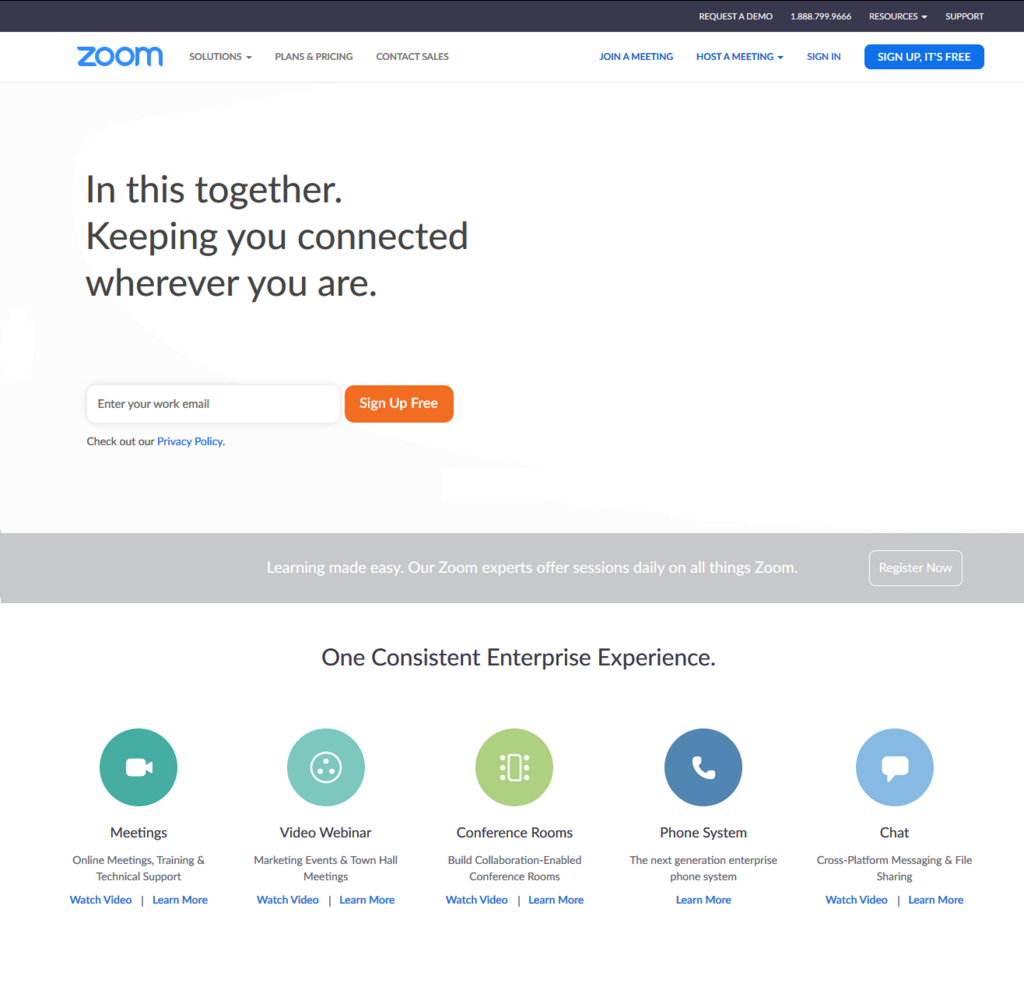
You’re likely already using many SaaS products without thinking about it. Services like Google Workspace (Gmail, Docs), Microsoft 365, Salesforce, Slack, and Netflix are all built on the SaaS model. They deliver a service over the internet for a recurring fee, with all the backend complexity managed for you.
What analogy is used to explain the fundamental difference between using a SaaS product and traditional on-premises software?
In the context of SaaS, what does 'multi-tenancy' mean?
SaaS has fundamentally changed our relationship with software, turning it from a product you own into a service you subscribe to. Understanding these core principles is the first step toward seeing how this model can be applied to new or existing applications.