SaaS Database Application Development
Introduction to SaaS Databases
The Heart of Your SaaS
Every software application needs a place to store information. For a Software as a Service (SaaS) product, this is its database. Think of it as the application's brain or its central filing cabinet. It's where everything important is kept: user accounts, customer data, application settings, and any content created by users.
When a user logs in, the application checks the database for their credentials. When they save a file, that file is stored in the database. Without a database, the application would have no memory. It couldn't remember its users or their data from one session to the next.
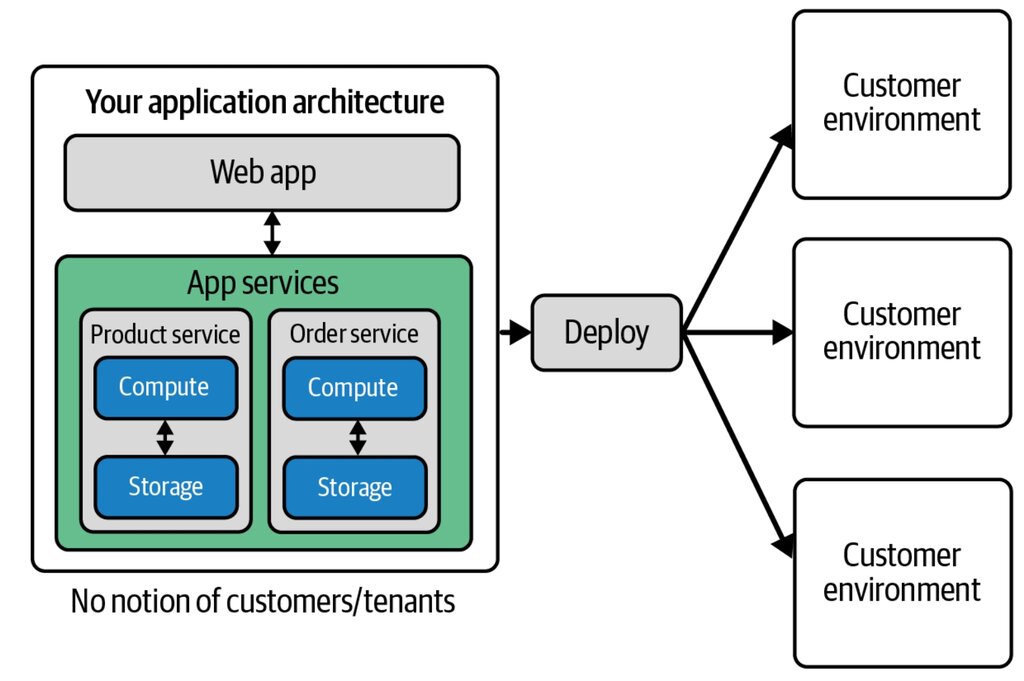
This central role makes the database one of the most critical components of any SaaS platform. If the database is slow, the application feels slow. If the database goes down, the entire application goes down.
Why Data Management Matters
Having a database isn't enough. Managing the data inside it correctly is essential for building a trustworthy and reliable service. Good data management focuses on a few key areas:
- Integrity: Ensuring data is accurate and consistent. Imagine a customer's billing information getting corrupted. The consequences could be serious.
- Security: Protecting data from unauthorized access. Customers trust you with their sensitive information, and a security breach can destroy that trust instantly.
- Availability: Making sure the data is accessible whenever the user needs it. Downtime means your customers can't use your product, which can lead them to look for alternatives.
Fundamentals are key. Understanding the core principles of database technology, including data modeling, system architecture, and query languages, is crucial for anyone involved in designing, using, or implementing these systems.
Effective data management isn't just a technical requirement; it's a core business function. It ensures your service works as expected and maintains the confidence of your users.
The SaaS Database Puzzle
Databases for SaaS applications face unique challenges that you don't typically find in traditional, single-company software. The two biggest challenges are multi-tenancy and scalability.
multi-tenancy
noun
An architecture where a single instance of a software application serves multiple customers. Each customer is called a tenant.
Think of a multi-tenant application as an apartment building. The building itself is the software, and each apartment is a separate space for a customer, or "tenant." While everyone lives in the same building and shares resources like plumbing and electricity, each tenant's apartment is private. You can't have one tenant accessing another's mail or walking into their apartment.
The core challenge of multi-tenancy is data isolation. The database must be designed to keep each tenant's data completely separate and secure from all other tenants.
The second major challenge is scalability.
scalability
noun
The ability of a system to handle a growing amount of work by adding resources to the system.
A successful SaaS product grows over time. This means more users, more data, and more activity. A database that works perfectly for 100 users might slow to a crawl with 100,000. Scalability means designing the database to handle this growth gracefully without degrading performance.
This might involve adding more powerful hardware (vertical scaling) or distributing the data across multiple servers (horizontal scaling). The right strategy ensures that as your business succeeds, your application remains fast and responsive for every user.
Let's review these core concepts.
What is the primary role of a database in a Software as a Service (SaaS) application?
Ensuring that data is accurate and consistent, such as preventing a customer's billing information from being corrupted, is a core part of which data management principle?
Understanding these foundational challenges is the first step in designing a robust and successful database for any SaaS application.