Russell Brunson's Marketing Secrets
Introduction to Sales Funnels
What Is a Sales Funnel?
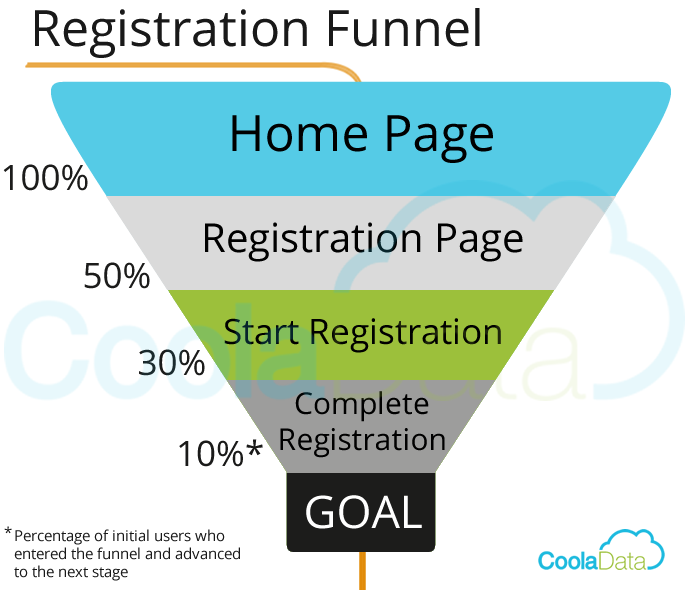
Think of a real-world funnel. You pour a large amount of liquid into the wide top, and a smaller, more focused stream comes out the narrow bottom. A sales funnel works the same way, but with people.
At the top, you have a wide audience of potential customers who might have a vague interest in what you offer. As they move down the funnel, some people lose interest and drop out. Those who remain become more and more likely to make a purchase. The final result is a small but highly qualified group of actual customers.
A sales funnel is a visual representation of the customer journey, outlining the steps prospects take from initial awareness to final conversion.
Essentially, a sales funnel provides a map of the customer's journey. It helps businesses understand how people discover their brand, what makes them interested, and what ultimately convinces them to buy. Without this understanding, marketing can feel like guesswork. With a funnel, you have a clear process for turning strangers into customers.
The Four Stages of a Funnel
Most sales funnels are broken down into four key stages. This model is often called AIDA, which stands for Awareness, Interest, Decision, and Action. Each stage represents a different mindset for the potential customer, requiring a different approach from the business.
1. Awareness
This is the top of the funnel, where you first catch someone's attention. The person wasn't necessarily looking for your product, but they've become aware that you exist. This might happen through a blog post they found on Google, an ad on social media, or a recommendation from a friend. The goal here isn't to sell, but simply to introduce your brand and what you do.
At the awareness stage, a potential customer might think, "Hmm, that's interesting. I didn't know there was a solution for that problem."
2. Interest
Once someone is aware of your brand, they enter the interest stage if they want to learn more. They are now actively researching solutions to their problem and comparing different options. This is where you can build trust by providing valuable information.
Content like detailed product guides, webinars, or case studies works well here. The goal is to position your brand as a helpful expert, not just a seller.
3. Decision
By this stage, the potential customer is almost ready to buy. They've done their research and have likely narrowed their options down to a few contenders, including you. Now they're looking for the final push to make a choice.
This is the time to make your best offer. Things like free trials, demos, discounts, or compelling customer reviews can help them make the decision. Your goal is to convince them that your solution is the best choice for their specific needs.
4. Action
The final stage is when the customer takes action and makes a purchase. They add your product to their cart, enter their payment information, and become a customer.
But the funnel doesn't truly end here. The action stage also includes onboarding the new customer and making sure they have a great experience. A happy customer is more likely to buy again and recommend your brand to others, starting the funnel all over again for someone new.
Why Funnels Matter
Sales funnels are fundamental to any solid marketing strategy. They provide a clear framework for communicating with potential customers, ensuring you're sending the right message at the right time.
By mapping out the customer journey, you can see exactly where people are dropping off. Are you attracting a lot of visitors who never show interest? Your awareness-stage content might need work. Are people getting to the decision stage but not buying? Your offer might not be compelling enough. A sales funnel turns a vague process into a measurable system you can consistently improve.
What is the primary purpose of a sales funnel in a business context?
The AIDA model is a common framework for sales funnels. What do the letters in AIDA stand for?