Rural Community Mental Health Systems
School Integration Frameworks
Schools as Mental Health Hubs
In many rural communities, the local school is more than just a place for learning. It's a community center, a source of stability, and often, the only accessible place for students to receive health services. Barriers like long travel distances, lack of transportation, and the social stigma of visiting a mental health clinic can prevent families from seeking care. By integrating mental health support directly into the school, we can reach students where they are, in a familiar and natural setting.
This approach isn't about turning schools into clinics. It's about building a supportive ecosystem that can identify struggling students early and provide the right level of help. The framework for this is the Multi-Tiered System of Supports, or MTSS. It’s a proactive, data-driven model that organizes support into three distinct levels, ensuring every student gets what they need to succeed, both academically and emotionally.
The Three Tiers of Support
MTSS is structured like a pyramid. The base of the pyramid provides foundational support for all students, while the higher levels offer progressively more specialized interventions for those who need them.
Tier 1: Universal Prevention is the foundation. This is proactive support provided to every single student in the school. It involves creating a positive and safe school climate and integrating social-emotional learning (SEL) directly into academic instruction. For example, a history teacher might incorporate a lesson on empathy when discussing historical conflicts, or a science class could discuss coping strategies for the stress of climate change. The goal is to give all students a baseline of mental wellness skills.
Tier 2: Targeted Interventions are for students identified through screening or observation as needing extra help. This isn't intensive therapy, but rather small-group sessions focused on specific skills, like managing anxiety or improving social interactions. A common Tier 2 strategy is a 'check-in/check-out' system, where a student starts and ends their day with a trusted adult to set positive goals and review their progress.
Tier 3: Intensive Supports are for the small number of students with significant mental health needs who require individualized attention. This involves developing specific support plans, often in collaboration with the student's family, and may include one-on-one counseling with a school psychologist or social worker. In a rural context, this tier also critically involves connecting the family to outside community health providers, if they exist and are accessible.
Making It Work on the Ground
Implementing an MTSS framework is challenging anywhere, but rural schools face a unique hurdle: a shortage of specialized mental health professionals. It's often not feasible to have a full-time psychologist, social worker, and counselor on staff. This is where the concept of task-sharing becomes essential.
Task-sharing, sometimes called task-shifting, involves training existing school staff to deliver specific mental health supports. This doesn't mean asking a math teacher to conduct therapy. It means equipping everyone in the school building with the skills to be a first line of defense. Through programs like Mental Health First Aid, teachers, administrative staff, and even bus drivers can learn to recognize signs of mental distress, provide initial help, and guide a student toward the support they need. They become the eyes and ears of the school's support system.
Teachers are typically not trained in mental health but are in a position to identify early symptoms, which if managed promptly can substantially reduce negative outcomes and healthcare costs.
Another key component is universal screening. To provide targeted support, you first have to know who needs it. Schools can use brief, evidence-based questionnaires to proactively check in on the well-being of the entire student population. This moves the system from being reactive (waiting for a problem to become a crisis) to being preventive. In a small, close-knit rural community, screening must be handled with care to maintain confidentiality and trust, but it is a powerful tool for early identification.
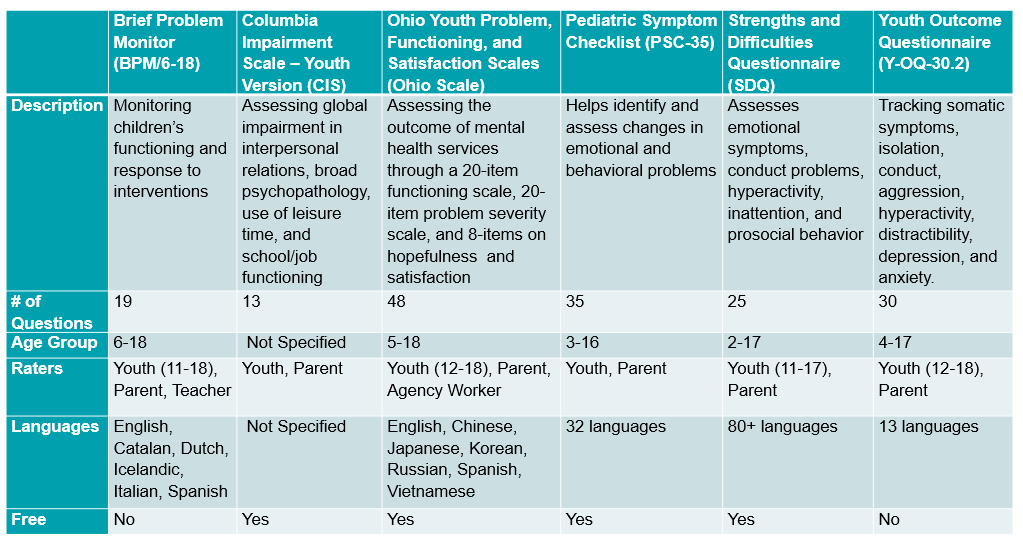
By leveraging the MTSS framework and empowering all school staff through task-sharing, rural schools can overcome resource constraints. They can build a resilient, supportive environment that addresses student needs before they escalate, turning the school into a true center of community well-being.
What is the primary purpose of the Multi-Tiered System of Supports (MTSS) framework in schools?
A history teacher incorporates a lesson on empathy when discussing historical conflicts. This is an example of which MTSS tier?
Ultimately, the integration of these frameworks recognizes that in rural areas, schools are the most logical and effective setting for mental health care. They overcome the persistent barriers of distance and stigma, ensuring that help is not just available, but accessible.