Running Anatomy Explained
Running Anatomy Basics
Your Body's Framework
Running is a full-body activity, but the action starts with your skeleton. Think of your bones as the structural frame that makes movement possible. For a runner, the most important parts of this frame are in the lower body: the pelvis, legs, and feet.
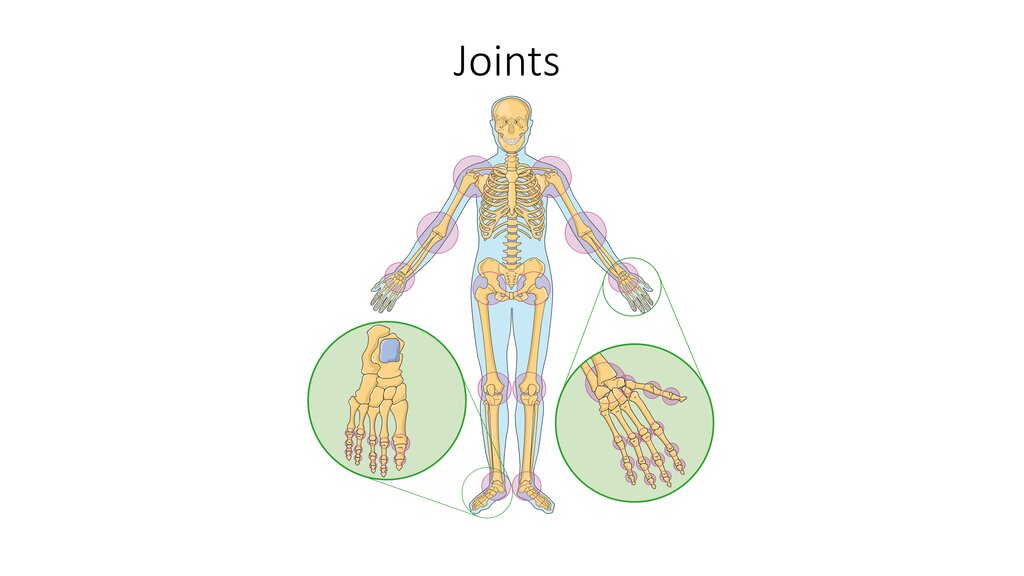
Your pelvis acts as a stable base, connecting your spine to your legs. From there, the major bones of the leg take over. The femur, or thigh bone, is the longest and strongest bone in your body. It connects the hip to the knee. Below the knee, you have two bones: the tibia (the larger shin bone) and the fibula. These run down to the ankle.
Finally, your feet are complex structures made of many small bones. They are designed to absorb shock when you land and provide a rigid lever to push off from the ground. This entire structure works together, with each bone playing a critical role in creating a smooth, efficient running stride.
The Engines of Motion
If bones are the frame, muscles are the engines. They contract and relax to move the bones, propelling you forward. Running engages muscles all over your body for stability, but a few key groups in your legs do most of the heavy lifting.
| Muscle Group | Location | Primary Role in Running |
|---|---|---|
| Glutes | Buttocks | Extend the hip, pushing you forward |
| Quadriceps | Front of thigh | Straighten the knee, absorb impact |
| Hamstrings | Back of thigh | Bend the knee, pull the leg back |
| Calves | Back of lower leg | Point the foot, push off the ground |
Your gluteal muscles (glutes) are powerful hip extensors. When you push off the ground, your glutes are firing to drive your leg backward and propel you forward.
The quadriceps (quads) on the front of your thigh work to straighten your knee as your leg swings forward. They also act as brakes, contracting to absorb the shock of landing with each step.
On the back of your thigh, the hamstrings work in opposition to the quads. They are responsible for bending your knee and pulling your leg back after you've pushed off.
Your calf muscles, the gastrocnemius and soleus, are crucial for the final push-off. They work to point your foot downward, providing the final bit of power to launch you into your next stride.
Connecting the System
Muscles and bones can't work alone. They rely on connective tissues to link everything together and translate force into motion. This is where tendons and ligaments come in.
Tendon
noun
A tough, flexible cord of fibrous collagen tissue that connects muscle to bone.
Think of tendons as the ropes that allow your muscles to pull on your bones. When a muscle contracts, it pulls on the tendon, and the tendon, in turn, pulls on the bone, causing it to move. They are incredibly strong and designed to handle the high forces generated during running.
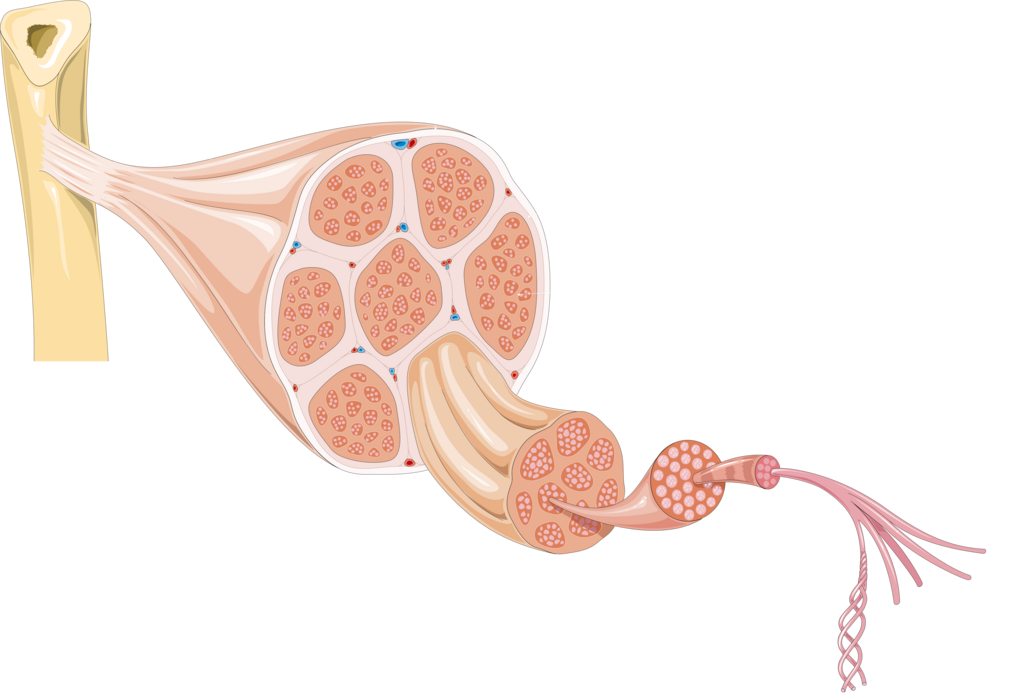
Ligaments, on the other hand, connect bone to bone. Their job is to stabilize joints and prevent excessive movement. While tendons are built to stretch slightly, like stiff rubber bands, ligaments are less elastic. They provide the structural integrity for joints like your knee and ankle, ensuring they move in the proper range of motion without becoming unstable.
In short: Tendons connect muscle to bone (enabling movement), while ligaments connect bone to bone (providing stability).
Time to review these key anatomical players.
Let's check your understanding of the body's running machinery.
Which bone is described as the longest and strongest in the human body, playing a crucial role in connecting the hip to the knee?
Which muscle group is primarily responsible for the final push-off from the ground, pointing the foot downward?
Understanding these basic components of your anatomy is the first step. By knowing what each part does, you can better appreciate the complex symphony of movement that happens with every single stride.