Runner's Knee in Young Basketball Players
Introduction to Patellofemoral Pain Syndrome
The Ache Behind Runner's Knee
Patellofemoral Pain Syndrome (PFPS) is a technical name for a common problem: pain around the front of the knee, near the kneecap. It's so frequent among active people that it's often just called "runner's knee."
This condition is one of the most frequent causes of knee pain, especially in young athletes. While anyone can experience it, adolescents are particularly susceptible due to factors like growth spurts and high levels of physical activity.
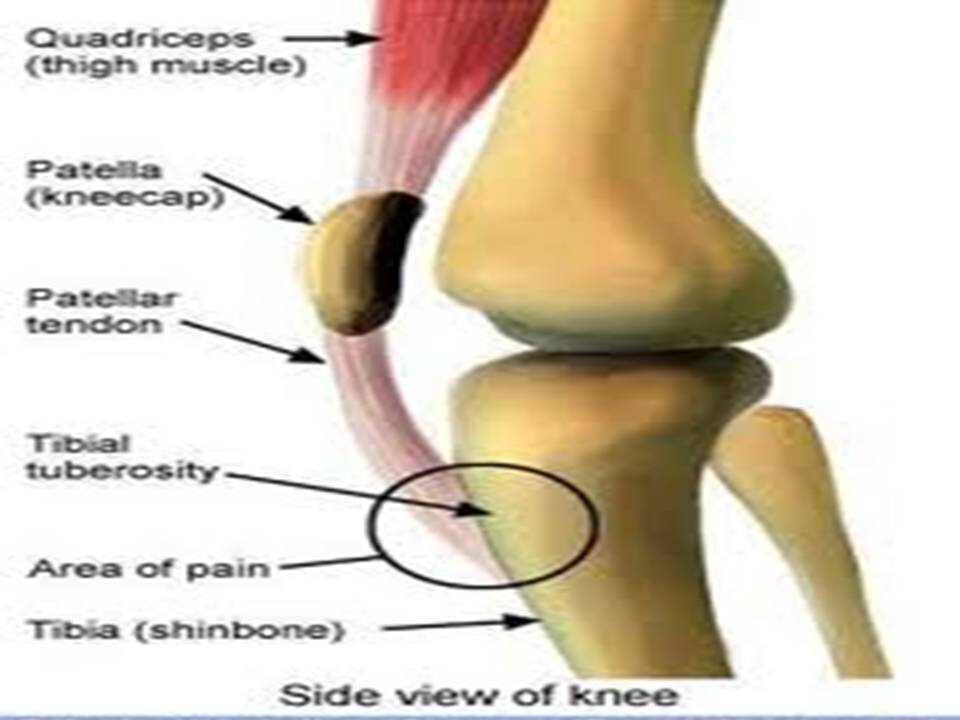
To understand PFPS, you need to know a little about the knee's anatomy. Your kneecap, or patella, sits in a groove at the end of your thigh bone, the femur. This meeting point is called the patellofemoral joint.
When you bend and straighten your leg, the patella glides up and down within this groove. It's connected to your powerful quadriceps muscle by a tendon. This whole mechanism works like a pulley, giving you the strength to kick, run, and jump. PFPS occurs when there's irritation and stress where the patella meets the femur.
Why It Hits the Court
Basketball players are prime candidates for developing runner's knee. The sport is a non-stop series of high-stress movements for the patellofemoral joint.
Think about the game: constant running, sudden stops, sharp cuts, and explosive jumps. Each of these actions puts immense force on the knee. When a player lands from a jump shot or a rebound, their knees absorb a force several times their body weight. Over the course of a practice or a game, this repetitive stress can easily irritate the joint and lead to the nagging pain of PFPS.
This syndrome doesn't just cause pain; it can affect a player's performance. The discomfort can make it harder to jump as high, cut as sharply, or maintain speed on the court, sidelining athletes and hindering their development.