Rudderstack Explained
Introduction to Customer Data Platforms
What is a Customer Data Platform?
Think about all the ways a customer interacts with a company. They might visit the website, use the mobile app, open a marketing email, talk to customer support, and buy something in a physical store. Each of these actions generates data, but it often ends up in different, disconnected systems—a marketing database here, a sales CRM there, a support tool somewhere else.
This creates a fragmented picture of the customer. Marketing might not know about a recent support ticket, and the sales team might not see that a prospect just downloaded a whitepaper. A Customer Data Platform, or CDP, is designed to solve this exact problem.
Customer Data Platform (CDP)
noun
A type of software that combines data from multiple tools to create a single, centralized customer database. This unified database can then be used to power marketing campaigns, analyze customer behavior, and personalize experiences.
Essentially, a CDP acts as the brain for a company's customer data. Its primary job is to collect information from all your sources, stitch it together into a single profile for each customer, and then make that organized data available to other systems.
The customer data platform provides a central place to collect first-party information about customers, but simply having a pile of data is not the point.
How a CDP Works
A CDP's functionality can be broken down into three core steps: collecting, unifying, and activating data.
1. Data Collection: The CDP ingests data from everywhere your customers interact with you. This includes:
- Behavioral data from your website and mobile app (e.g., pages viewed, buttons clicked).
- Transactional data from e-commerce or point-of-sale systems (e.g., purchase history).
- Customer data from your CRM (e.g., name, contact info).
- Support data from helpdesk software (e.g., support tickets).
2. Data Unification: This is the core magic of a CDP. It takes all that raw data and resolves identities, creating a single, coherent profile for each customer. For example, it can figure out that the anonymous user who browsed your website yesterday is the same person who just made a purchase on your app today using their email address. This creates what's often called a "single customer view" or a "golden record."
3. Data Activation: A unified profile isn't useful if it just sits in a database. The final step is to make this data available to other tools. A CDP can send customer segments to email marketing platforms for targeted campaigns, to advertising networks for personalized ads, or to customer support tools to give agents a full view of the customer's history.
The Benefits of a CDP
By centralizing and organizing customer data, CDPs unlock a range of powerful capabilities for businesses.
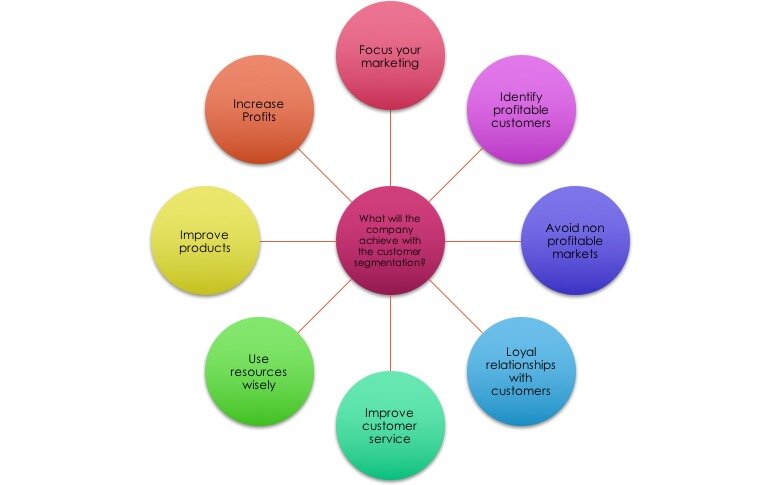
One of the biggest benefits is hyper-personalization. When you have a complete view of a customer's interactions and preferences, you can tailor every touchpoint, from website content to email offers. This leads to higher engagement and stronger customer loyalty.
CDPs also provide deeper customer insights. By analyzing a complete dataset, businesses can uncover trends and patterns that would be invisible when looking at siloed data. This can inform everything from product development to marketing strategy.
Finally, they create operational efficiency. Instead of having data engineers build custom integrations for every tool, a CDP provides a central hub that connects to all your other systems. This saves time and reduces reliance on technical teams.
A CDP, such as Segment or Tealium, centralizes customer data from various sources, creating a single customer profile.
Leading CDPs in the market include platforms like Segment, Tealium, Salesforce Data Cloud, and Adobe Real-Time CDP. While they differ in their specific features, they all share the fundamental goal of creating a single source of truth for customer data.
By breaking down data silos, a CDP empowers every team in an organization to better understand and serve the customer.