Ruby on Rails vs Next.js
Introduction to Web Development Frameworks
Building a Digital House
Imagine you're building a house. You could start from scratch—chopping down trees for wood, firing your own bricks, and forging every nail. Or, you could start with a pre-built frame, a foundation, and standard-sized doors and windows. The second approach is much faster and less error-prone.
In web development, a framework is like that pre-built house frame. It's a collection of pre-written code, tools, and conventions that provides a structure for building web applications. Instead of writing every single line of code from the ground up, developers can use a framework to handle the common, repetitive tasks involved in creating a website or web service.
Think of it this way: a framework provides the skeleton of your application. Your job is to add the muscles and personality.
Why Not Start from Scratch?
Using a framework offers several huge advantages. The most obvious is speed. Features that could take weeks to build from scratch, like user authentication, database connections, or session management, are often built-in or easily added. This lets developers focus on the unique features of their application, not on reinventing the wheel.
Frameworks also promote better, more secure code. They are typically built by experienced developers and maintained by a large community. This means the underlying code has been tested, reviewed, and refined over time, helping you avoid common security vulnerabilities and follow best practices without having to become a security expert yourself.
Finally, most popular frameworks have large, active communities. This translates to excellent documentation, plenty of tutorials, and a massive pool of developers you can turn to for help when you get stuck.
Frameworks come with pre-built components, which reduces development time and effort.
A Diverse Landscape
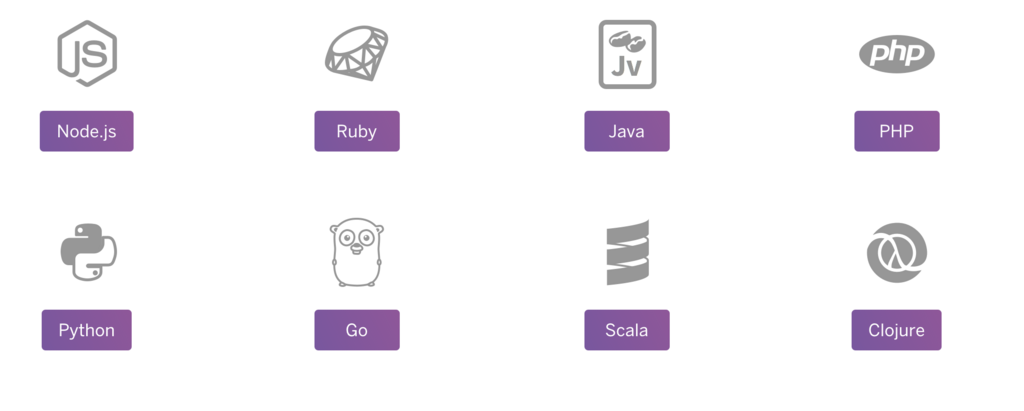
The world of web development isn't a one-size-fits-all situation, and neither are its frameworks. They come in many flavors, often distinguished by the programming language they use and their primary focus.
Some frameworks, like Ruby on Rails (Ruby), Django (Python), and Laravel (PHP), are known as full-stack frameworks. They provide a complete solution for both the front end (what the user sees) and the back end (the server-side logic and database). Others specialize. For example, React, Angular, and Vue are JavaScript libraries and frameworks focused exclusively on building dynamic user interfaces on the front end. They are often paired with back-end frameworks like Express.js to create a full application.
Choosing the Right Tool
With so many options, how do you pick the right framework? It depends on several factors:
- Project Requirements: What are you building? A simple blog has very different needs than a high-traffic e-commerce site or a real-time chat application. Some frameworks are better suited for specific tasks.
- Team Expertise: The best framework for your project is often the one your team already knows. A team of Python experts will be far more productive with Django than they would be trying to learn a new language and framework simultaneously.
- Performance & Scalability: How many users do you expect? Will the application need to handle a massive amount of data or traffic? Some frameworks are built for high performance and can scale more easily than others.
- Community & Ecosystem: A strong community means better documentation, more third-party packages, and a larger talent pool to hire from. This can significantly impact long-term maintenance and development.
Ultimately, a framework is a tool. The goal is to choose the right tool for the job to build reliable, maintainable, and scalable applications efficiently.
Now that you have a general understanding of what frameworks are and why they're so important, we can start diving into some specific examples.