Rosemary Antioxidants Unveiled
Introduction to Antioxidants
The Body's Protectors
Inside our bodies, a constant battle is taking place at the molecular level. On one side are free radicals, which are unstable molecules. Think of them as tiny, chaotic thieves. They are missing an electron, and they desperately want to steal one from another molecule to become stable. When they succeed, the victim molecule becomes a new free radical, starting a damaging chain reaction.
This chain reaction, known as oxidative stress, can damage vital components of our cells, including DNA, proteins, and cell membranes.
On the other side are antioxidants. These are the protectors. An antioxidant is a molecule that can safely donate one of its own electrons to a free radical, neutralizing it and stopping the damaging chain reaction in its tracks. The amazing thing is that the antioxidant doesn't become a free radical itself after donating an electron. It remains stable, effectively ending the threat.
A Closer Look at Free Radicals
Free radicals aren't just invaders from the outside. Our bodies naturally produce them as byproducts of normal metabolic processes, like turning food into energy. They also form in response to external factors like UV radiation from the sun, pollution, and cigarette smoke.
A specific type of free radical is the Reactive Oxygen Species, or ROS. These are highly reactive molecules containing oxygen. While some ROS are necessary for cellular signaling, an overabundance can lead to significant damage.
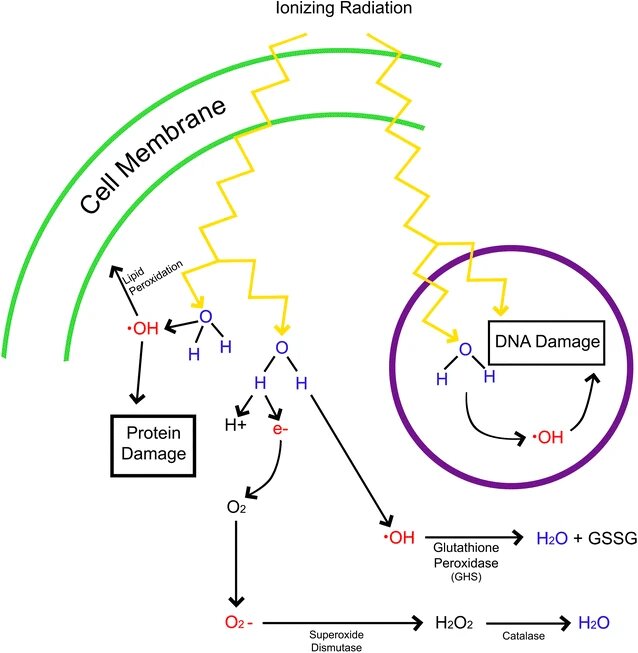
Our cells have built-in defense systems to manage these threats. Antioxidant enzymes like superoxide dismutase and catalase work tirelessly to convert dangerous ROS into harmless water. This is where dietary antioxidants come in, providing reinforcements to support the body's natural defenses.
Types of Natural Antioxidants
Antioxidants aren't a single substance but a diverse group of compounds found in many foods, especially plants. They are often categorized into families based on their chemical structure.
Polyphenols
noun
A large family of naturally occurring compounds found in plants. They are characterized by having multiple phenol units in their structure and are known for their antioxidant properties.
Within the vast polyphenol family, there are several important subgroups. One of the largest and most studied is the flavonoids. These compounds are famous for contributing to the vibrant colors of many fruits, vegetables, and flowers.
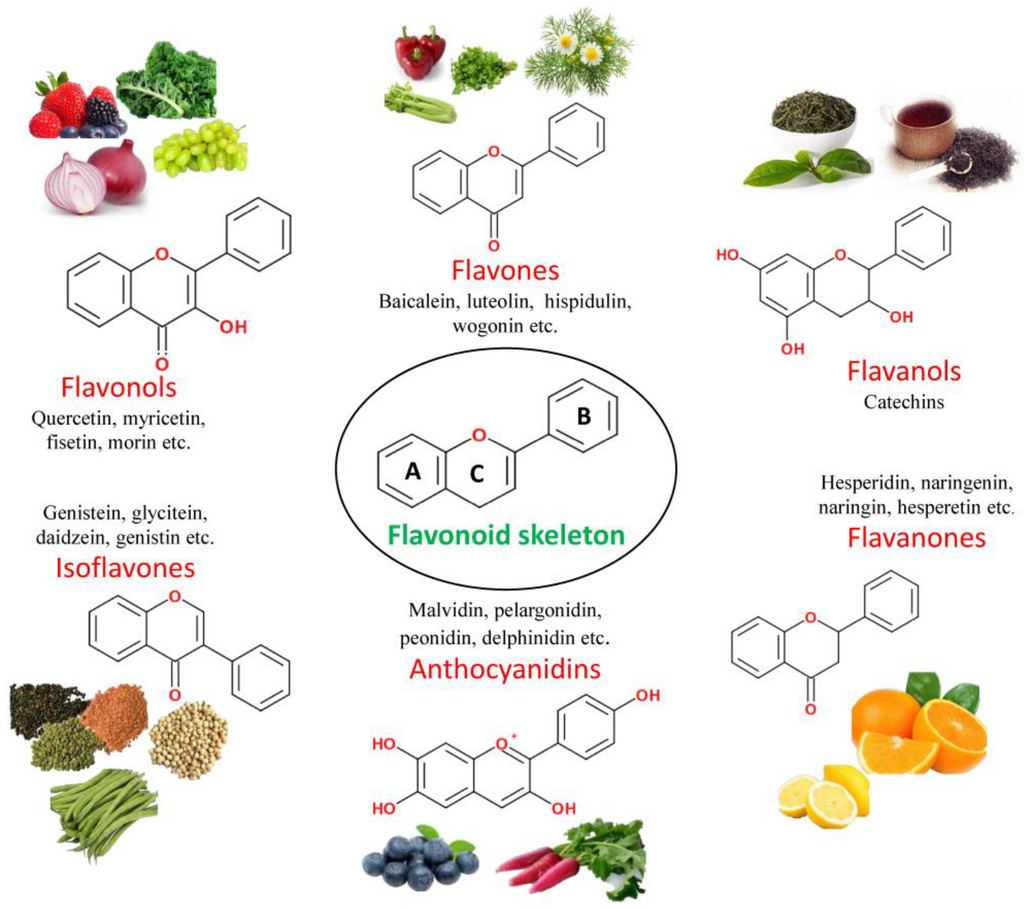
Besides polyphenols, some familiar vitamins also act as powerful antioxidants. Here's a quick summary of the main types:
| Antioxidant Type | Description | Common Sources |
|---|---|---|
| Vitamins | Essential nutrients that the body cannot produce on its own. | Vitamin C (citrus fruits, bell peppers), Vitamin E (nuts, seeds) |
| Polyphenols | A large group of plant compounds with antioxidant benefits. | Tea, coffee, berries, dark chocolate, red wine |
| Flavonoids | The largest group of polyphenols, known for their role in plant color. | Onions, apples, kale, berries, citrus fruits, soy |
By understanding these different types, we can appreciate the variety of ways plants protect themselves and, in turn, help protect us.
What is the primary characteristic that makes a molecule a "free radical"?
How does an antioxidant molecule stop the chain reaction of damage caused by a free radical?