Rosellimo the Sicilian Explored
Introduction to Sicilian Art
The Island at the Crossroads
Sicily sits in the middle of the Mediterranean Sea, a natural bridge between Europe and Africa. For thousands of years, this position made it a prize for empires and a hub for trade. Waves of different peoples arrived, ruled, and left their mark, creating a unique cultural landscape.
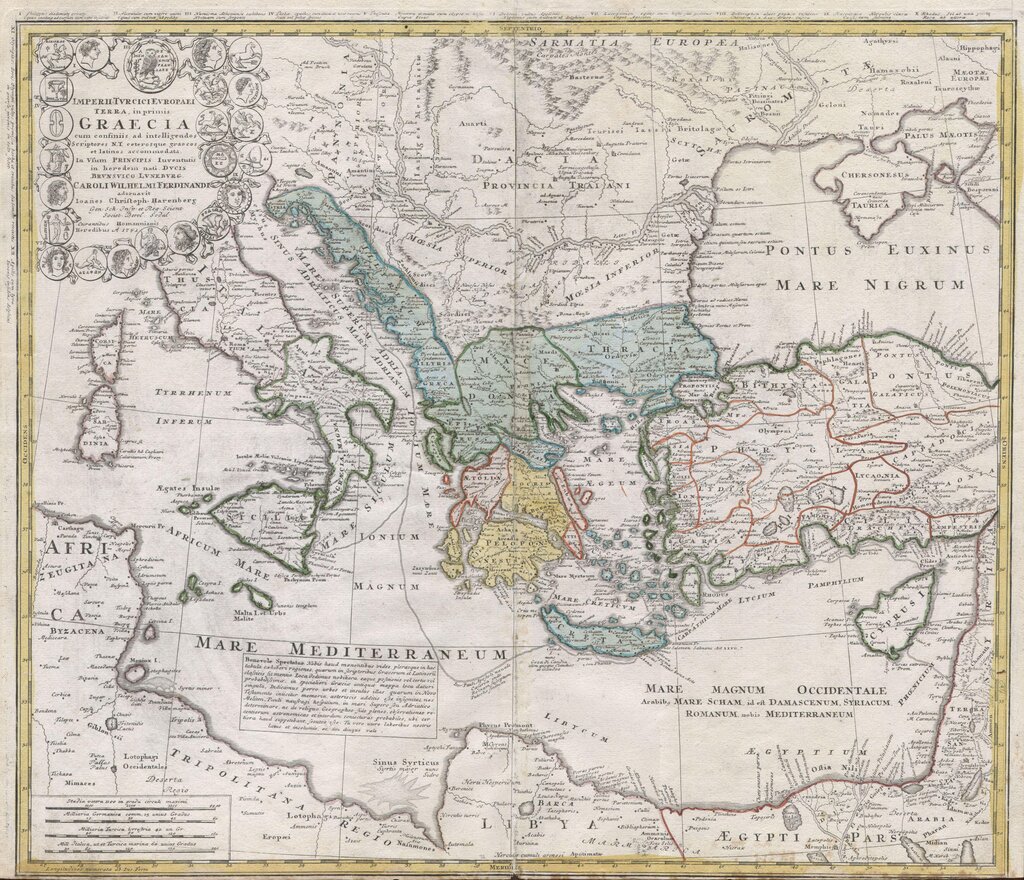
Imagine an artist's canvas painted over, again and again, by different masters. Each new layer adds something, but parts of the old paintings still peek through. Sicilian art is like that canvas. It's not just Italian; it's a rich blend of Greek, Roman, Byzantine, Arab, and Norman influences, all fused into something new.
This layering of cultures is the key to understanding Sicilian art. Every temple, mosaic, and palace tells a story of conquest, coexistence, and creativity.
A Timeline of Styles
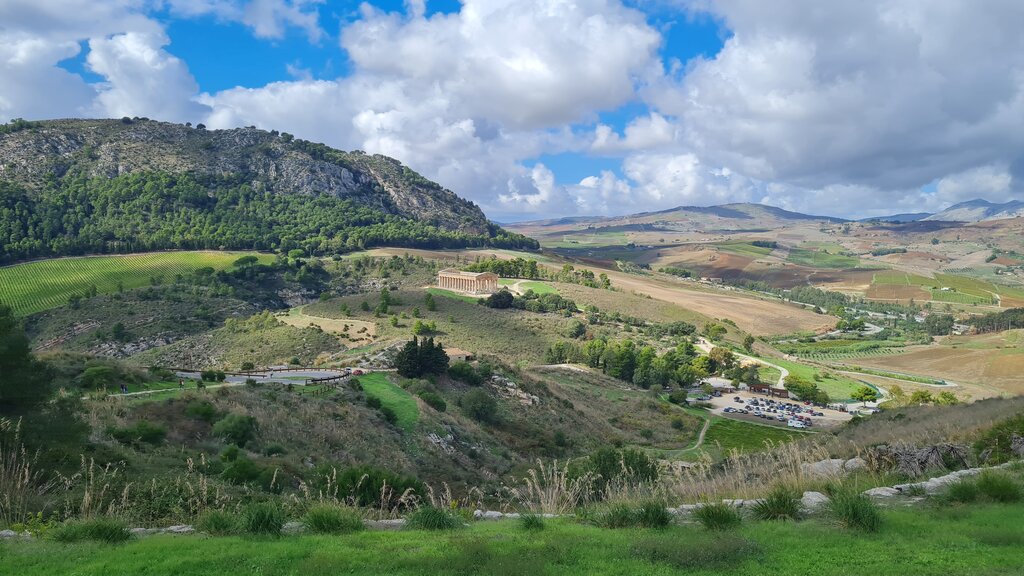
The story of Sicilian art begins with the ancient Greeks. They founded colonies across the island, building magnificent temples like the ones in Agrigento's Valley of the Temples and a stunning theater in Taormina. They brought their distinctive pottery and sculpture, establishing a classical foundation that would endure for centuries.
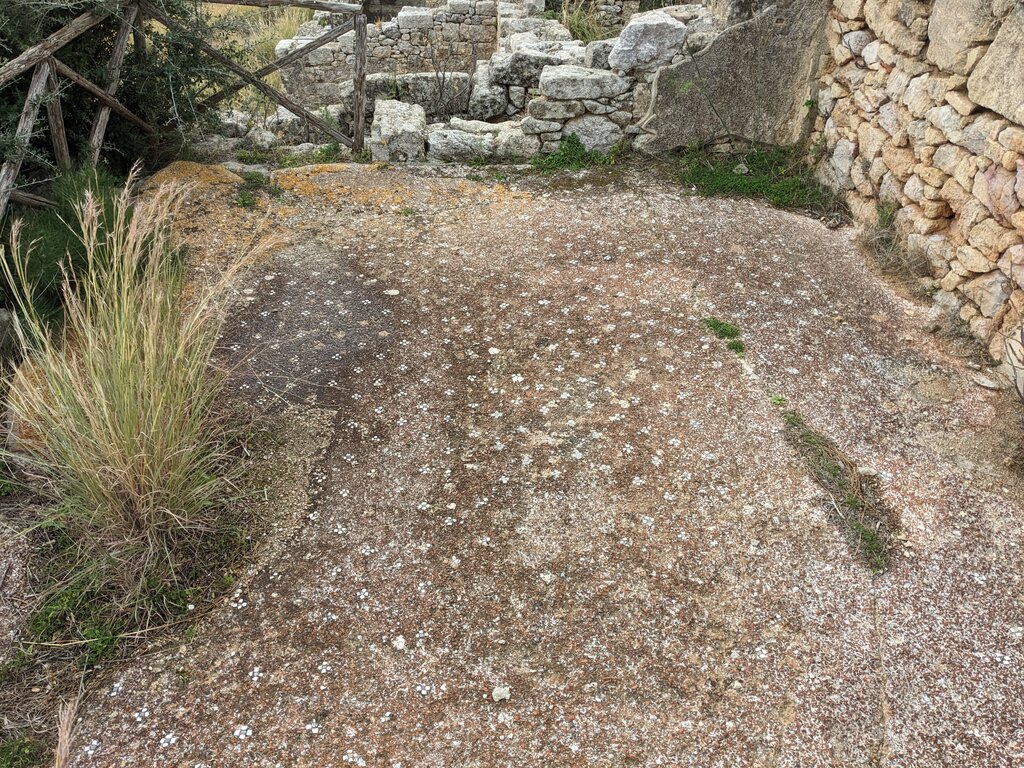
Next came the Romans, who turned Sicily into a breadbasket for their empire. They built lavish villas decorated with intricate and colorful mosaics, capturing scenes of daily life, mythology, and exotic hunts. These floors weren't just decorative; they were storybooks made of stone, showcasing Roman wealth and artistic taste.
After the fall of Rome, the Byzantines brought the glittering art of the Eastern Empire. Their influence is most brilliant in religious mosaics. Churches in Palermo and Monreale are covered in gold, depicting solemn biblical figures with a formal, spiritual style that feels worlds away from Roman realism.
Then, Arab rulers from North Africa introduced Islamic art and architecture. They brought a love for geometric patterns, intricate tilework, and elegant gardens. Though few purely Arab structures remain, their artistic DNA is visible everywhere, especially in the decorative details and layouts of later buildings.
The Great Fusion
Perhaps the most unique period in Sicilian art came with the Normans in the 11th century. Instead of replacing what came before, the Norman kings embraced the island's diverse heritage. They hired the best Arab and Byzantine craftsmen to build their churches and palaces.
The result was a stunning hybrid style known as Arab-Norman. You can see it in Palermo's Palatine Chapel, where a Christian church features a painted wooden ceiling with Islamic-style geometric and figural designs, alongside golden Byzantine mosaics. It’s a breathtaking mix of traditions, all existing in one harmonious space.
This pattern of absorption and reinvention continued for centuries, through the Spanish Baroque and into modern times. Every era added its own layer to Sicily's artistic identity, making the island a living museum of Mediterranean history.
Which statement best describes the unique character of Sicilian art?
The magnificent temples in Agrigento's Valley of the Temples are a legacy of which culture?
This journey through Sicilian art highlights a history defined by cultural exchange. It’s a story told not in words, but in stone, gold, and pigment.