ROS 2 for Robotics Engineering
Introduction to ROS 2
What is ROS 2?
Robot Operating System 2, or ROS 2, isn't an operating system in the way you think of Windows or macOS. It doesn't manage your computer's core functions. Instead, it's a flexible framework of software libraries and tools specifically designed to help you build robot applications.
Think of it as a universal translator and postal service for all the different parts of a robot. A robot might have a camera from one company, wheels from another, and a laser scanner from a third. Each component speaks its own digital language. ROS 2 provides a common ground where the camera can publish video data, the wheels can subscribe to movement commands, and the laser scanner can offer distance measurements, all without needing custom, one-off integrations.
This modular approach makes robotics development faster, more collaborative, and more powerful. Engineers can focus on a single task, like writing code for a robotic arm, knowing that it will easily connect with the rest of the system.
From ROS 1 to ROS 2
ROS has been around since 2007, but as robotics evolved, the original framework started to show its age. ROS 2 was rebuilt from the ground up to meet the demands of modern robotics, from small educational bots to large-scale industrial automation and autonomous vehicles.
The new version brought several critical improvements. It's designed to support real-time systems, where tasks must be completed within a strict time frame. It also officially supports multiple platforms, including Linux, macOS, and Windows, not just the Linux-centric world of ROS 1. Security is another major upgrade, with built-in features to ensure messages between components are authenticated and encrypted.
The biggest change under the hood was switching the communication system to DDS (Data Distribution Service), a standard used in industrial and mission-critical systems.
| Feature | ROS 1 | ROS 2 |
|---|---|---|
| Communication | Custom (TCPROS/UDPROS) | Industry Standard (DDS) |
| Real-time | Limited Support | Designed for real-time |
| Security | Not built-in | Built-in security features |
| Platforms | Primarily Linux | Linux, macOS, Windows |
The Core Components
A ROS 2 application is like a team of specialists. Instead of one massive program trying to do everything, the system is broken down into small, independent programs that communicate with each other. These programs are called nodes.
Each component in a ROS 2 system communicates using one of a few key patterns:
Node
noun
A single, executable program in a ROS 2 system that performs a specific task. For example, one node might control wheel motors, while another processes camera data.
Topics are used for continuous data streams. A node publishes messages to a topic, and any other node can subscribe to that topic to receive them. It's a one-to-many communication model, like a public broadcast. A camera node would publish images to an /image_data topic, and both an object detection node and a display node could subscribe to it.
Services are for request/response interactions. A client node sends a request to a service node and waits for a response. This is a one-to-one pattern, like making a direct phone call. For example, a node could request a service to 'capture_single_high_res_image' and would wait until the camera node responds with the picture.
Actions are for long-running, goal-oriented tasks that provide feedback along the way. Think of telling a robot to navigate to another room. The task might take a while, so you want updates on its progress. The client node sends a goal (e.g., 'go to the kitchen'), receives periodic feedback (e.g., 'distance remaining: 5 meters'), and gets a final result when the task is complete or fails.
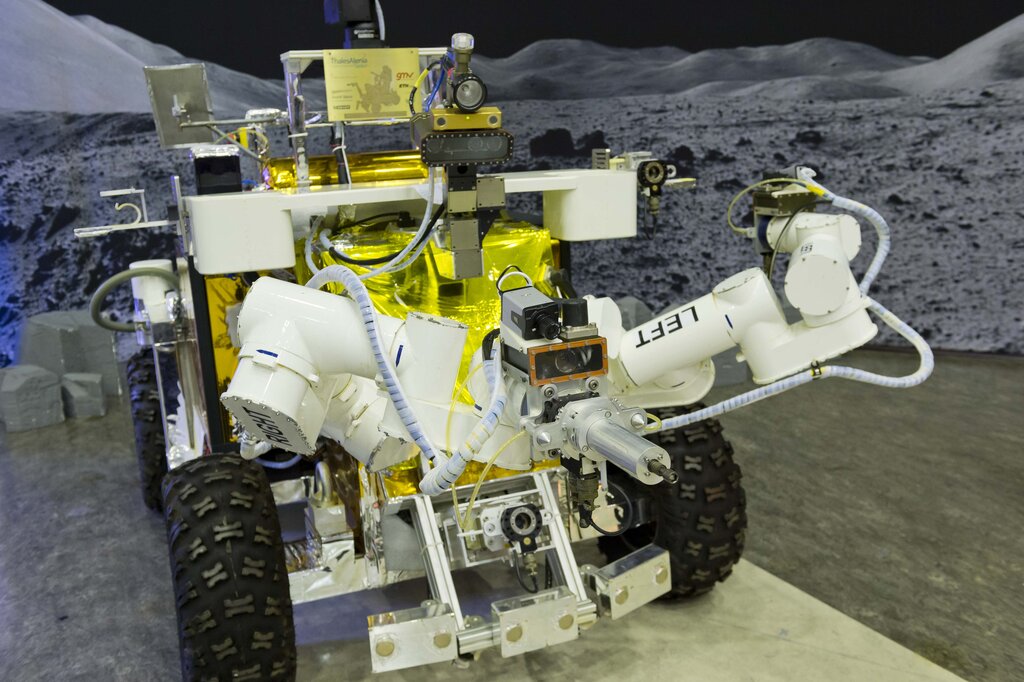
ROS 2 is used in a huge range of applications, from warehouse logistics and autonomous drones to advanced research in artificial intelligence and human-robot interaction. Its open-source nature and strong community support make it a foundational tool for modern robotics.
The tutorials are a collection of step-by-step instructions meant to steadily build skills in ROS 2.
Now that you have a grasp of the basic concepts, let's test your knowledge.
What is the most accurate description of Robot Operating System 2 (ROS 2)?
Which ROS 2 communication pattern is best suited for a continuous stream of camera data that multiple components might need to access simultaneously?
Understanding these core ideas of nodes and communication patterns is the first step toward building your own robotic applications.