Roots of Global Conflict
Resource Scarcity Drivers
The Paradox of Plenty
It seems logical that a country blessed with valuable natural resources like oil, diamonds, or minerals would be wealthy and stable. Yet, reality often paints a different picture. Many resource-rich nations suffer from slower economic growth, less democracy, and higher rates of conflict than their resource-poor counterparts. This baffling phenomenon is known as the or the 'paradox of plenty'.
When a country's economy becomes heavily dependent on a single commodity, it becomes extremely vulnerable. If global prices for that resource plummet, the national budget can collapse overnight, threatening public services and stability. This dependency also fosters state fragility. Governments that can fund themselves by simply selling resources to foreign powers have less need to build a healthy tax base or be accountable to their citizens. Instead of fostering broad economic development, the wealth gets concentrated in the hands of a few, breeding resentment and creating fertile ground for civil strife.
When Rivers Cross Borders
Conflict isn't just about what's pulled from the ground; it's also about what flows across it. Water is the ultimate finite resource, and when major rivers cross international boundaries, they become potential flashpoints. These are known as transboundary water disputes.
The Nile River, for instance, flows through eleven countries. Nations downstream, particularly Egypt, have historically relied on its predictable flow for agriculture and survival for millennia. But upstream countries like Ethiopia are now building massive hydroelectric dams, like the , to generate electricity and fuel their own development. This action drastically alters the volume and timing of water reaching Egypt and Sudan, creating immense geopolitical tension over water rights and national security.
A similar dynamic is playing out along Southeast Asia's Mekong River. China's construction of numerous dams upstream has given it significant control over the river's flow, impacting the fisheries and agricultural livelihoods of millions in Myanmar, Laos, Thailand, Cambodia, and Vietnam. These disputes highlight how actions taken by one nation can have severe consequences for its neighbors, turning a shared resource into a source of division.
The Price of Progress
The smartphone in your pocket and the laptop on your desk contain a hidden history of conflict. The global demand for certain minerals essential for modern electronics—like tin, tungsten, tantalum (derived from ), and gold—has fueled and funded some of the world's most brutal wars. These are often called 'conflict minerals'.
In the Democratic Republic of Congo (DRC), for example, armed groups have long controlled mines, using forced labor to extract valuable minerals. The profits from selling these minerals on the world market go directly toward buying weapons and sustaining their violent campaigns. This creates a direct link between international supply chains, consumer demand, and localized violence, making corporations and consumers unwitting participants in distant conflicts.
A combination of resource availability and scarcity drives the conflict.
A Vicious Cycle
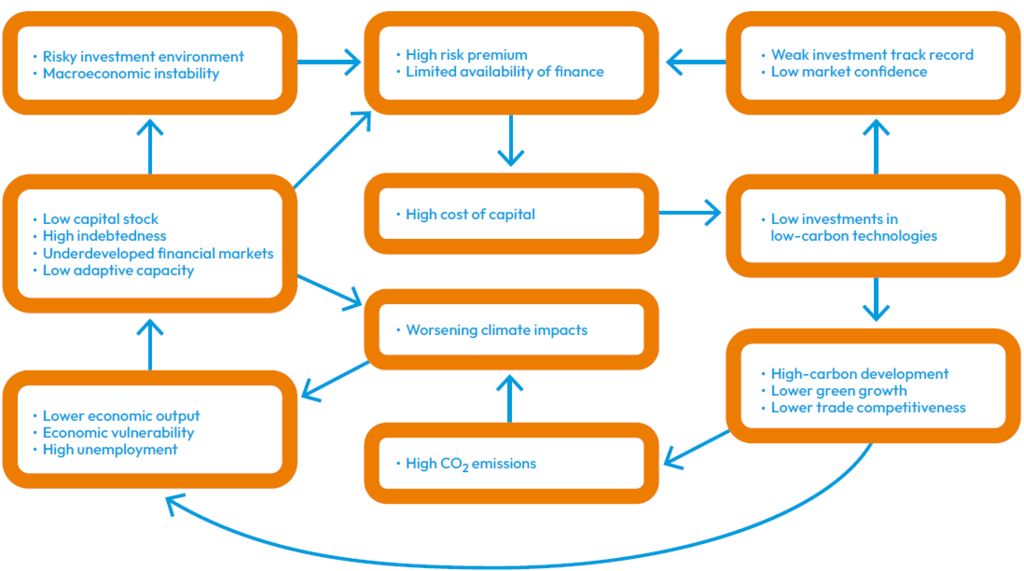
Finally, environmental degradation acts as a 'conflict multiplier'. It doesn't necessarily start wars on its own, but it worsens existing tensions and makes societies more fragile and prone to violence. Climate change, desertification, and land degradation all shrink the pool of available resources, forcing communities to compete for what's left.
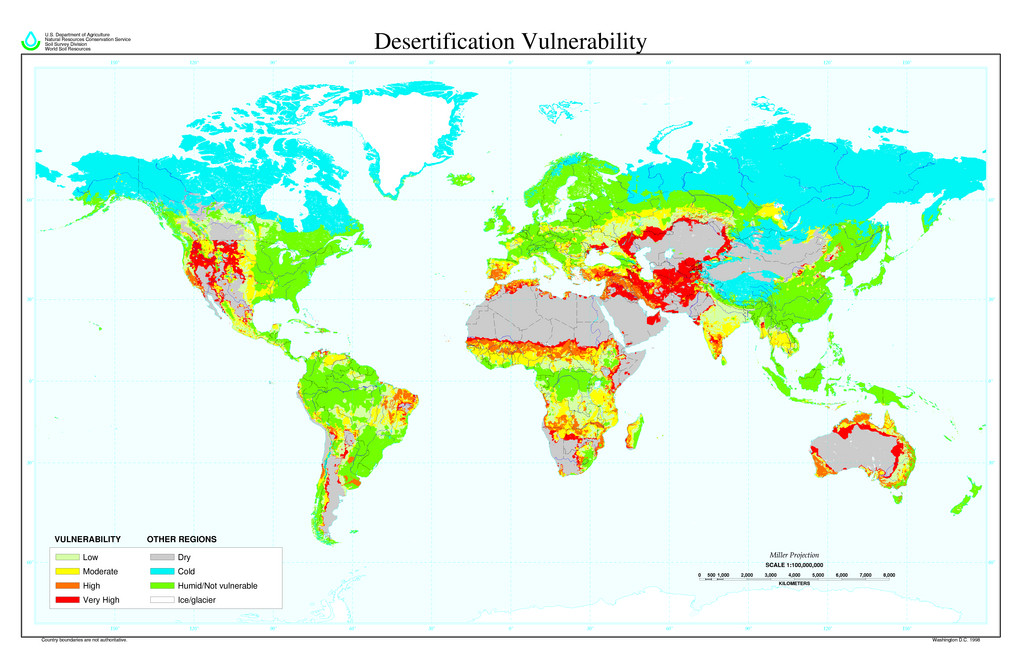
In the Sahel region of Africa, a belt of land south of the Sahara Desert, centuries-old tensions between nomadic herders and settled farmers are boiling over. As the desert expands and rainfall becomes less reliable, grazing lands shrink and water sources dry up. Herders are forced to move their livestock onto farmland, leading to clashes over land and water that are increasingly violent. When governments are too weak to manage these disputes, a local resource squabble can escalate into a wider crisis, drawing in armed groups and destabilizing entire regions.
Time to see what you've learned.
What is the phenomenon known as the "Resource Curse" or "paradox of plenty"?
The construction of dams by China on the upper Mekong River primarily affects downstream nations like Vietnam and Cambodia by:
The connection between natural resources and conflict is complex, weaving together economics, politics, and the environment. Understanding these drivers is the first step toward finding lasting solutions.