Rooster Asset Tracking Implementation
Asset Tracking Basics
What is Asset Tracking?
At its core, asset tracking is a simple idea: knowing what you have and where it is. For any organization, from a small library to a global shipping company, this knowledge is power. It’s the process of systematically keeping tabs on your physical assets, whether they're laptops, vehicles, or heavy machinery.
asset
noun
A useful or valuable thing or person.
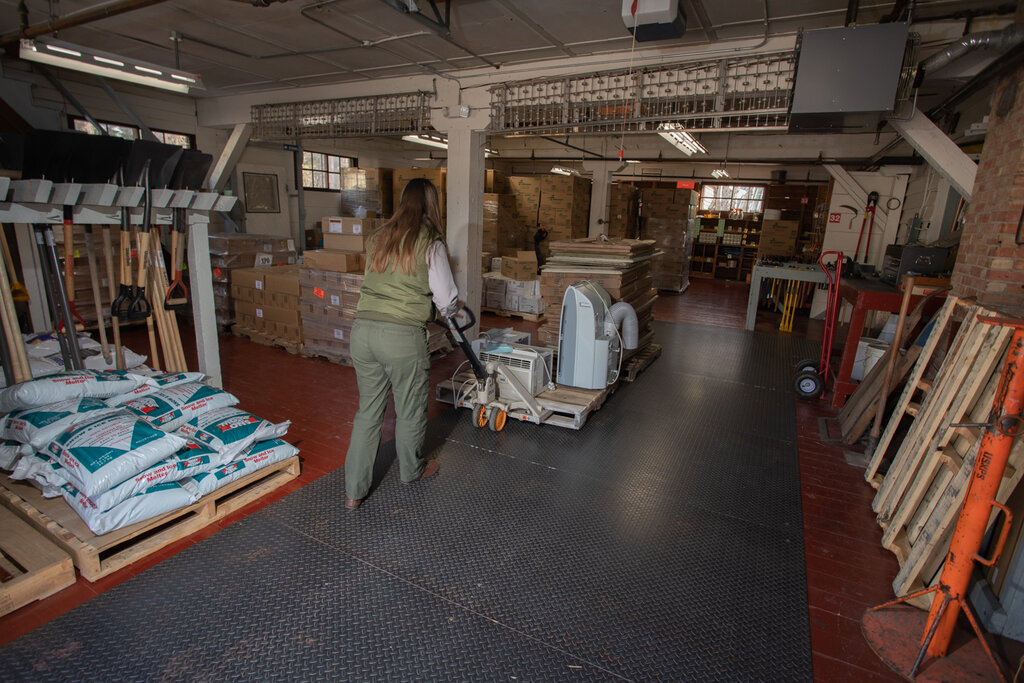
Think about a construction company. They own dozens of expensive tools, from drills to excavators. These tools move between job sites constantly. Without a tracking system, a manager might spend hours calling around to find a specific piece of equipment. Worse, a tool could be left behind, lost, or even stolen, costing the company thousands. Asset tracking replaces this guesswork with clear, real-time data.
The Payoff
Implementing an asset tracking system isn't just about avoiding problems; it’s about creating opportunities. The most immediate benefit is a boost in operational efficiency. When you know where everything is, you eliminate wasted time searching for items. Maintenance schedules become easier to manage because you can track usage and locate equipment when it's due for service. This means less downtime and more productivity.
Another major benefit is loss prevention. Assets are valuable, and they can disappear for all sorts of reasons—theft, misplacement, or accidental damage. Tracking systems act as a powerful deterrent to theft. If an asset leaves a designated area, the system can send an instant alert. It also reduces accidental loss by making every item's location visible, ensuring things don't get left behind at a job site or lost in a massive warehouse.
Ultimately, asset tracking transforms how a business manages its resources, turning potential chaos into organized, efficient operations.
The Tech Behind the Tracking
There isn't a single technology that fits every situation. The right tool depends on the asset and the environment. Three of the most common technologies are GPS, RFID, and IoT sensors.
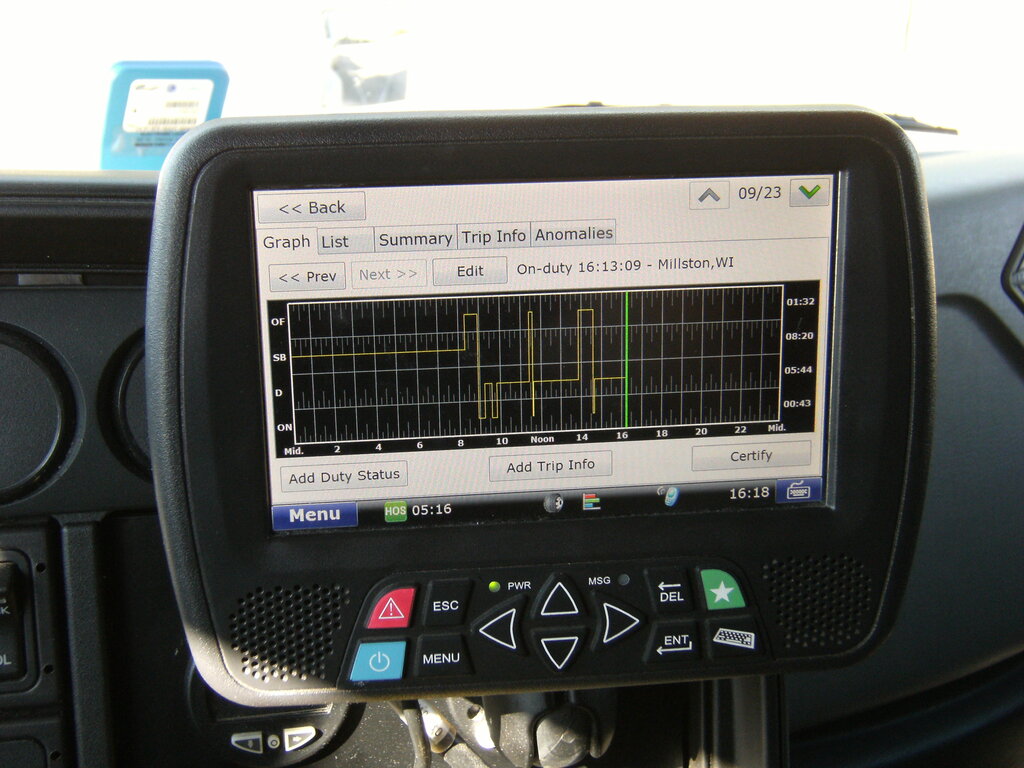
GPS (Global Positioning System) is perfect for tracking assets over long distances, outdoors. It uses satellites to pinpoint an asset's location anywhere on Earth. This is the technology used by logistics companies to monitor their fleets of trucks or by construction firms to keep track of heavy machinery that moves between sites across the country.
Implementing GPS tracking systems can provide crucial data that aid in efficient route planning, swift response to unexpected events, and enhanced security.
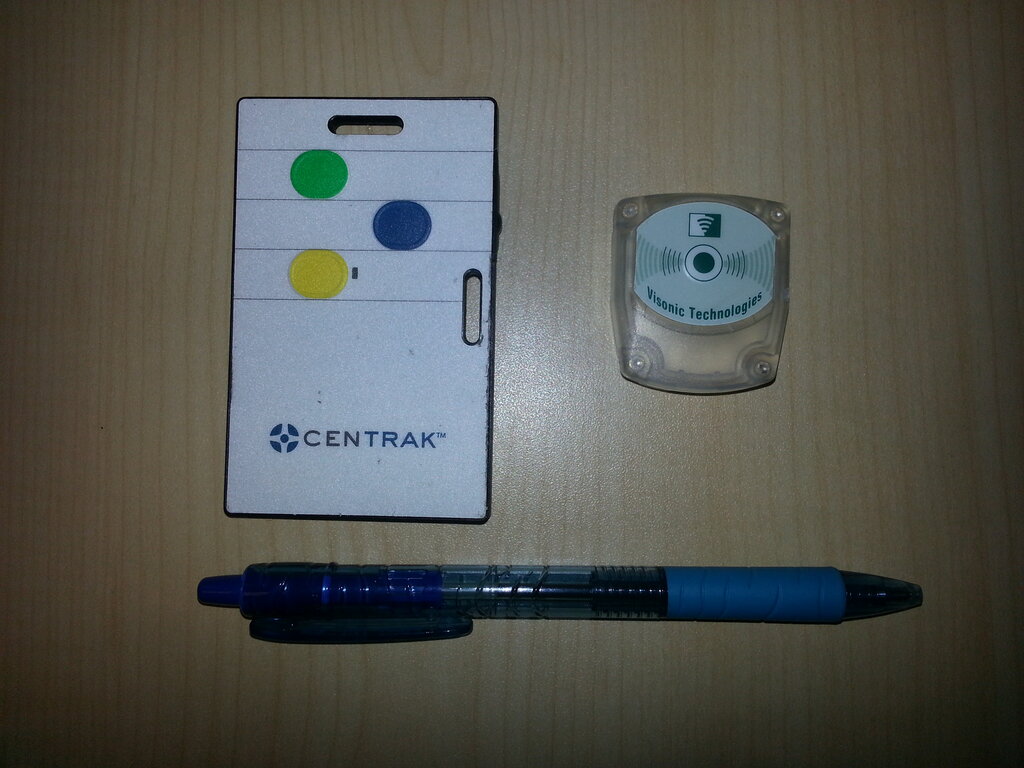
RFID (Radio-Frequency Identification) works best for tracking large numbers of assets in a contained area, like a warehouse or a hospital. RFID tags are attached to items. When a tag passes near an RFID reader, it transmits its unique ID. This allows for rapid inventory checks. Instead of scanning individual barcodes, you can scan an entire pallet of goods in seconds as it passes through a doorway.
IoT (Internet of Things) Sensors take tracking a step further. These devices don't just report location; they can also monitor an asset's condition. An IoT sensor can tell you the temperature of a refrigerated container, whether a package has been dropped, or the humidity level in a storage unit. This is critical for businesses shipping sensitive goods like pharmaceuticals or fresh food, where environmental conditions are just as important as location.
Common Hurdles and How to Clear Them
While asset tracking is powerful, it's not without its challenges. One of the biggest hurdles is the initial implementation. It costs money to buy tags and readers, and it takes time to set up the system and train employees. The key is to start small. Begin with your most valuable or most frequently lost assets to prove the system's worth before expanding.
Another challenge is integrating the new system with existing software, like accounting or inventory management platforms. A system that doesn't share data with your other tools creates isolated information and extra work. The solution is to plan for integration from the start. Choose an asset tracking system with a flexible API (Application Programming Interface) that allows it to connect smoothly with the software you already use.
Finally, there's the human element. Employees might resist a new system if they see it as complicated or a way for management to micromanage them. Overcoming this requires clear communication and proper training. Explain how the system will make their jobs easier, not harder. Show them how finding a tool in seconds beats searching for hours. When the team understands the benefits, they're more likely to embrace the change.
Ready to check your understanding?
What is the fundamental purpose of asset tracking?
A global shipping company needs to monitor its fleet of trucks as they travel across the country. Which technology is best suited for this task?
By understanding the basics of what asset tracking is, the technologies that power it, and the common challenges, you can build a system that saves time, cuts costs, and makes your entire operation run more smoothly.