Romeo and Juliet Explained
Introduction to Shakespeare
The Man from Stratford
Four centuries after his death, William Shakespeare remains the most famous writer in the English language. His plays are performed constantly, his poems are studied worldwide, and his influence is everywhere. Yet, for a man so famous, we know surprisingly little about his personal life. The historical records are sparse, leaving us with a sketch rather than a detailed portrait.
What we do know is that he was born in 1564 in Stratford-upon-Avon, a bustling market town in England. His father was a glove-maker and local politician, and his mother came from a respectable farming family. He likely attended the local grammar school, where he would have received a rigorous education in Latin grammar and literature.
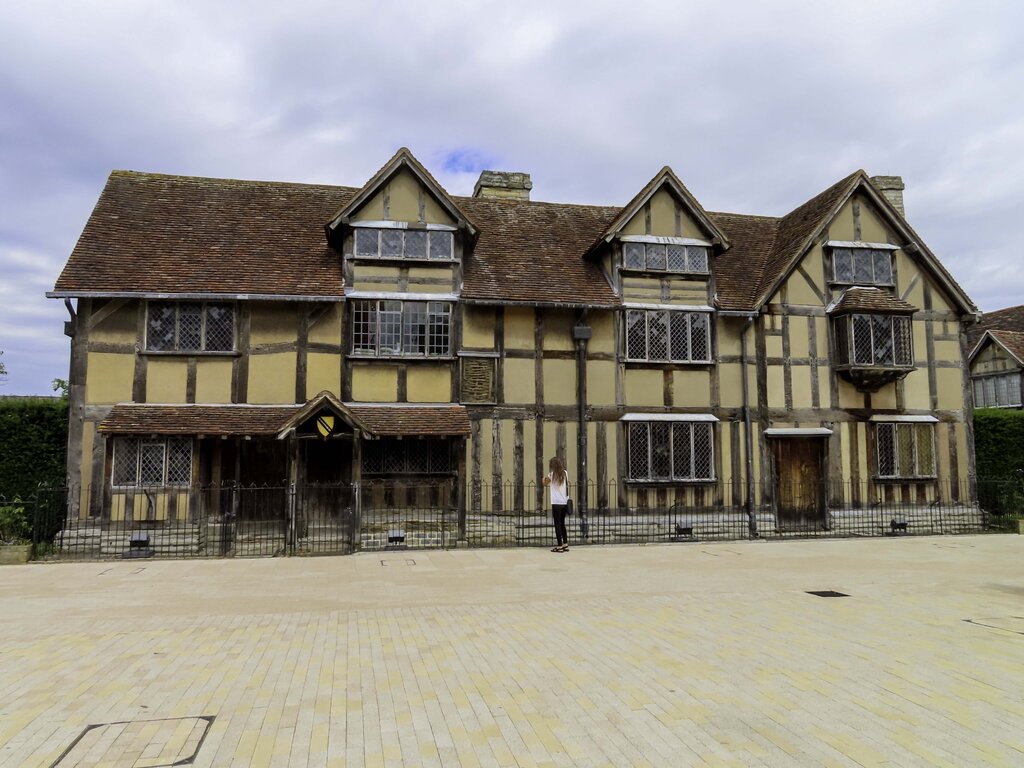
At 18, he married Anne Hathaway, who was eight years his senior. They had three children. Then, for about seven years, Shakespeare disappears from the historical record. These are known as the "lost years." We don't know what he was doing, but by the early 1590s, he had resurfaced in London as an actor and a budding playwright.
His career took off. He became a shareholder in an acting company called the Lord Chamberlain's Men, which later became the King's Men. They performed for Queen Elizabeth I and, later, King James I. The company built and operated its own theater on the south bank of the River Thames: the Globe.
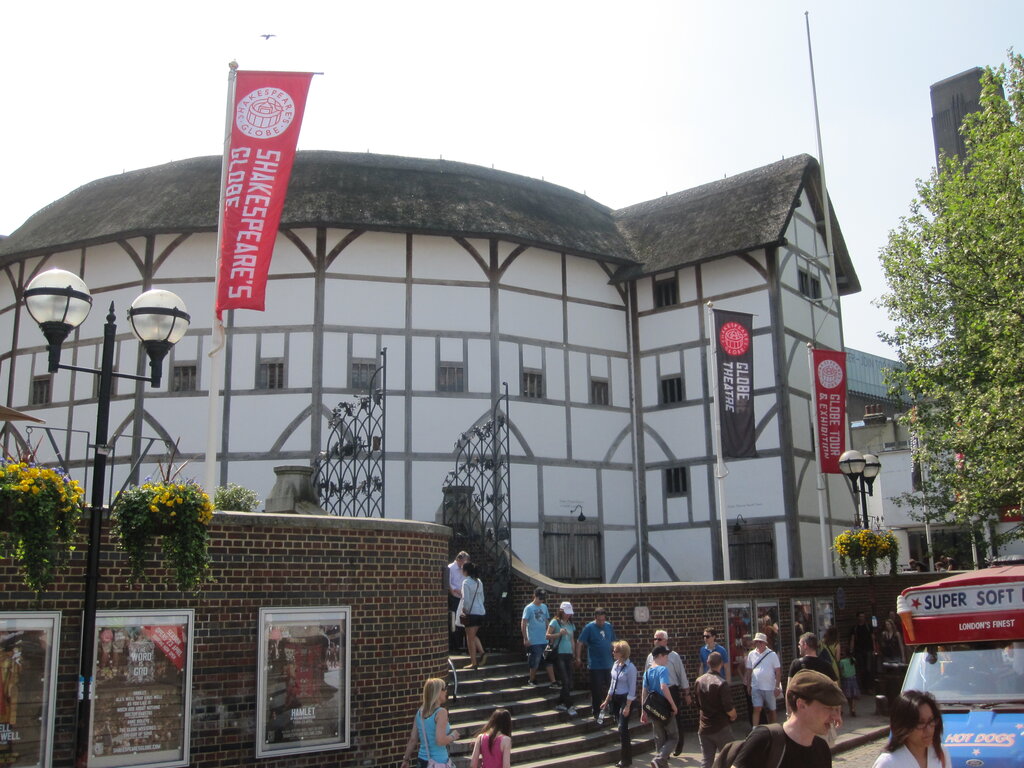
Shakespeare was both an artist and a savvy businessman. He wrote, acted, and managed, becoming a wealthy man. Around 1611, he retired and returned to Stratford, where he died in 1616 at the age of 52.
Life in Elizabethan England
To understand Shakespeare, you have to understand his world. He lived during the Elizabethan era, the period of English history during the reign of Queen Elizabeth I (1558–1603). It was a time of immense change, excitement, and uncertainty.
England was experiencing a renaissance in arts and culture. London was the heart of this transformation—a crowded, noisy, and often unsanitary city, but also a vibrant center of commerce and creativity. Theaters were a new and hugely popular form of entertainment, drawing massive crowds from every social class, from laborers to nobles.
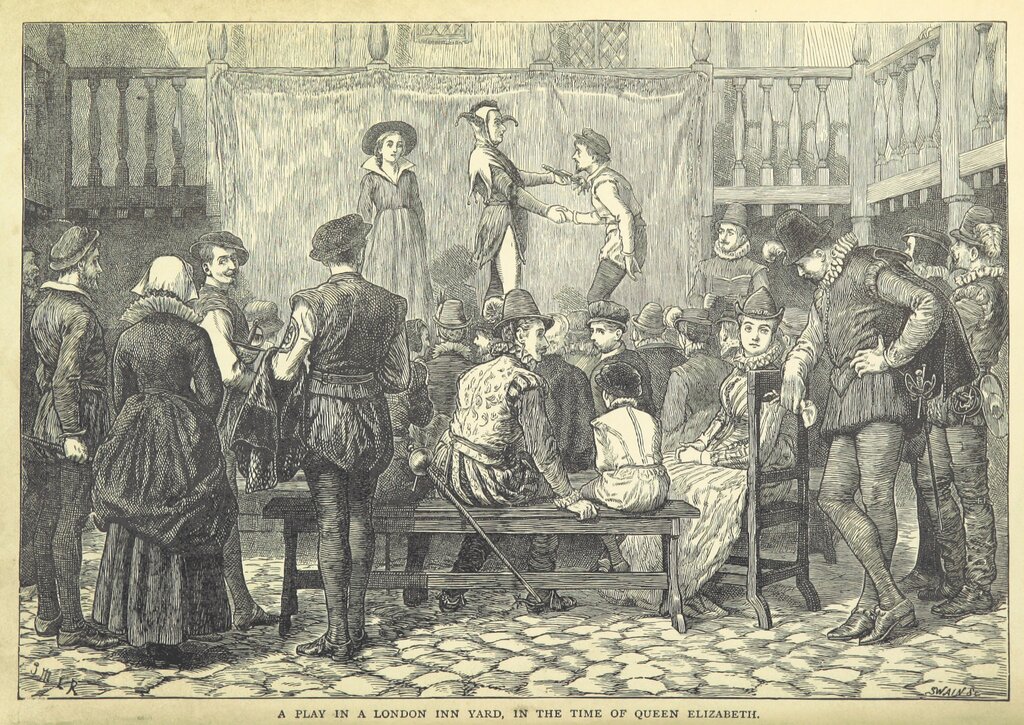
Playgoing was an afternoon affair. Theaters like the Globe were open-air, relying on daylight. The audience was loud and boisterous, eating, drinking, and shouting comments at the actors. It was a far cry from the quiet, reverent atmosphere of modern theater. Playwrights had to write works that were engaging enough to hold the attention of this diverse and restless crowd.
This era was also a time of political intrigue and religious tension. England was a rising Protestant power, frequently at odds with Catholic Spain. This atmosphere of patriotism, conflict, and national pride is reflected in many of Shakespeare's history plays.
The Bard's Legacy
Shakespeare's contribution to literature is monumental. He wrote around 38 plays, 154 sonnets, and several long poems. His works are typically categorized into three genres: comedies, tragedies, and histories. After his death, his friends and fellow actors collected his plays into a single volume, now known as the First Folio, which preserved many works that might otherwise have been lost.
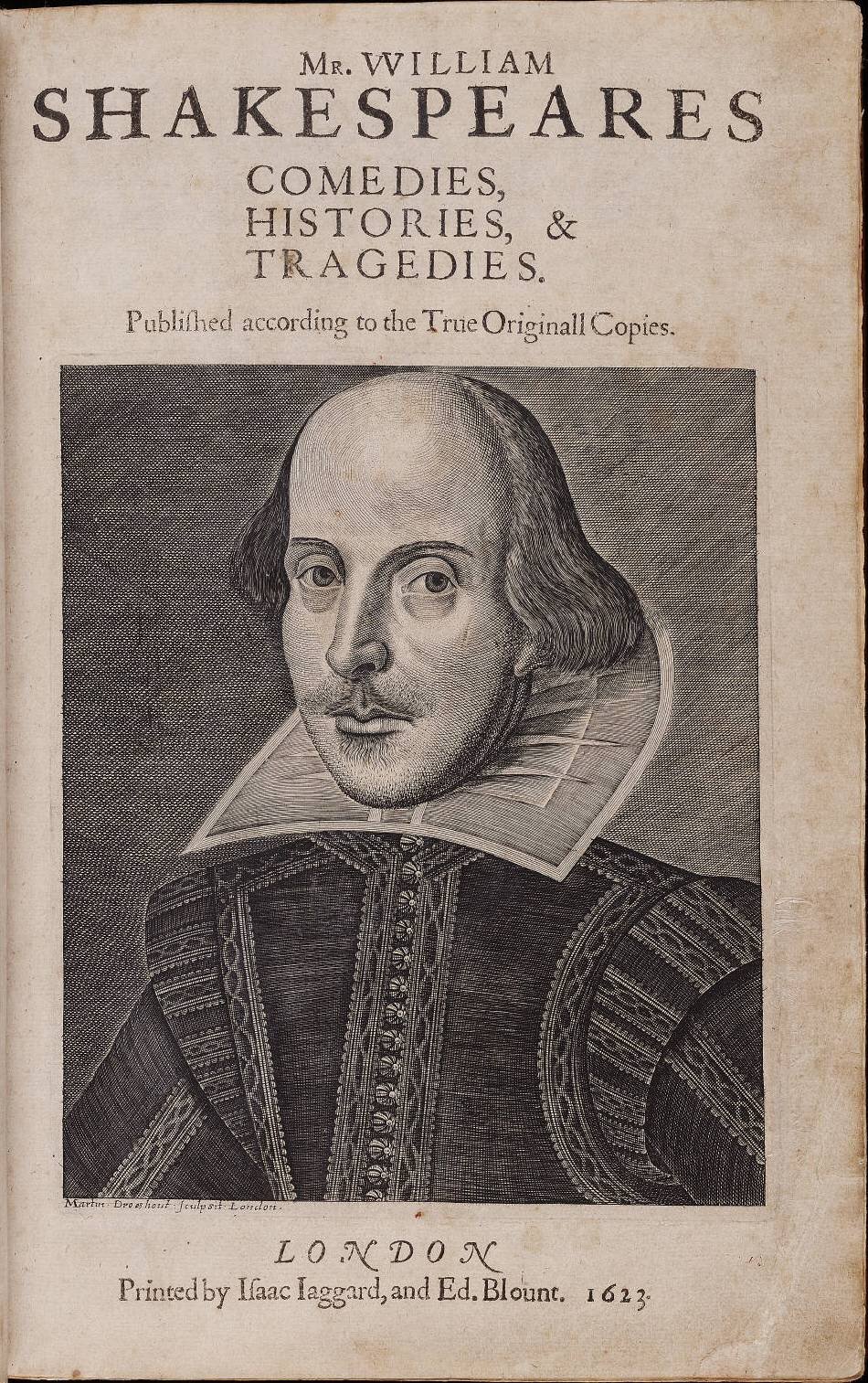
His impact goes beyond just the stories he told. He was a master wordsmith who profoundly shaped the English language. He invented thousands of words and coined phrases that we still use today, often without realizing their origin.
| Phrase Coined by Shakespeare | Modern Meaning |
|---|---|
| "Wild-goose chase" | A hopeless or foolish pursuit. |
| "Break the ice" | To initiate a social conversation or interaction. |
| "All that glitters is not gold" | The attractive external appearance of something is not a reliable indication of its true nature. |
| "In a pickle" | In a difficult or awkward situation. |
More than anything, Shakespeare's genius lies in his deep understanding of human nature. His characters are complex, flawed, and relatable. He explored timeless themes—love, jealousy, ambition, grief, and betrayal—with such insight that his plays still resonate with audiences today.
His work captures the full spectrum of human experience, which is why he is often called simply "the Bard."
bard
noun
A poet, traditionally one reciting epics and associated with a particular oral tradition. The term is now often used as a title for a respected poet, with Shakespeare being the most famous example.
Before we test your knowledge, let's review the key ideas.
Ready to see what you've learned?
What was the name of the acting company in which Shakespeare was a shareholder and for which he wrote many of his most famous plays?
Performances at theaters like the Globe were held in the afternoon primarily because...
By understanding the man and the world he inhabited, we can better appreciate the language, themes, and enduring power of his plays.