Romania's Smart Heat Pump Consumer Guide
Introduction to Air-to-Water Heat Pumps
The Modern Way to Heat Your Home
An air-to-water heat pump is a clever device that heats your home by moving heat, not by creating it. Think of it like a refrigerator, but working in reverse. A fridge pulls heat out of the insulated box and releases it into your kitchen. A heat pump pulls heat from the outside air—even when it's cold—and moves it into your home's water-based heating system.
This heated water then flows through your radiators, underfloor heating pipes, or hot water tank. It’s a single system that can provide both central heating and hot water for your taps and showers.
Efficiency and Benefits
The main advantage of a heat pump is its efficiency. Because it moves existing heat instead of generating it from scratch by burning fuel, it can deliver more heat energy than the electrical energy it consumes. For every unit of electricity a heat pump uses, it can produce three to four units of heat. This makes them significantly cheaper to run than traditional heating systems that rely on gas, oil, or direct electricity.
This high efficiency translates directly into lower energy bills and a smaller carbon footprint.
These systems are also versatile. Many air-to-water heat pumps can be reversed in the summer to provide cooling. They extract heat from your home's water circuit and release it outside, effectively acting as an air conditioner. This dual functionality makes them a year-round solution for home comfort, which is especially useful in a country like Romania with its warm summers and cold winters.
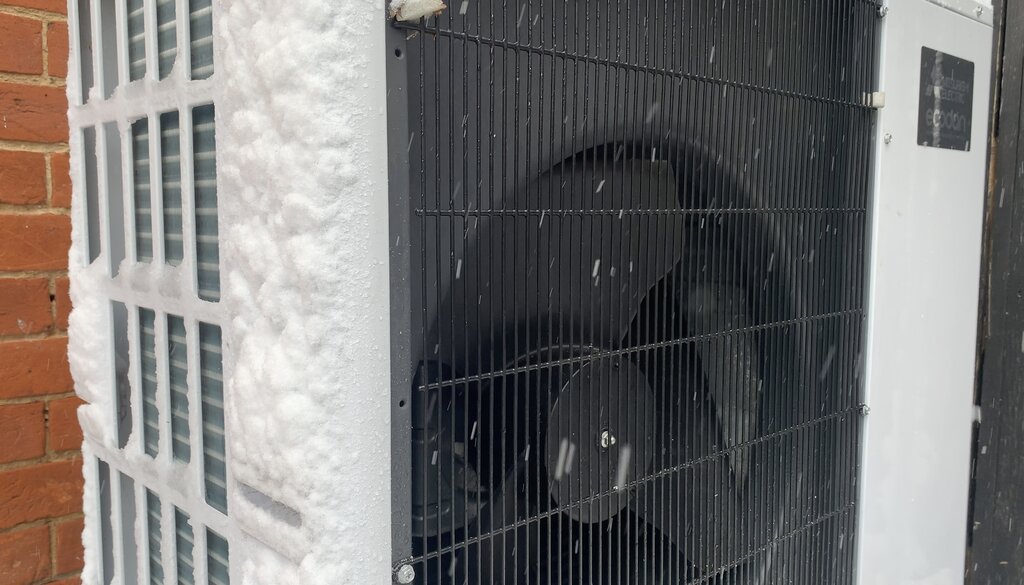
A Greener Choice for Romania
From an environmental perspective, heat pumps are a big step forward. They don’t burn fossil fuels on-site, so they don’t produce any local carbon emissions. The only emissions are from the power plant that generates the electricity they run on. As the grid gets greener with more renewables, the environmental benefit of heat pumps grows even larger.
Romania has significant potential for renewable energy, particularly solar power. By pairing a heat pump with rooftop solar panels, a household can further reduce its reliance on the grid and cut its environmental impact dramatically. This creates a highly efficient, self-sufficient system for heating and hot water.
In short, air-to-water heat pumps offer an efficient, cost-effective, and environmentally friendly way to manage your home's climate. They are a modern technology well-suited to the demands of today's world.