Romanesque Art and Architecture
Introduction to Romanesque Art and Architecture
Europe's First Great Style
After the collapse of the Roman Empire, Europe entered a period of fragmentation and uncertainty. For centuries, large-scale construction was rare. But as the year 1000 approached, a new sense of stability and confidence began to emerge. This era, spanning roughly from the 10th to the 12th century, gave rise to a powerful and distinct artistic style: Romanesque.
The name itself, coined by 19th-century art historians, means "descended from Rome." It was the first major pan-European style to develop after the fall of the Roman Empire, and it looked back to ancient Rome for inspiration.
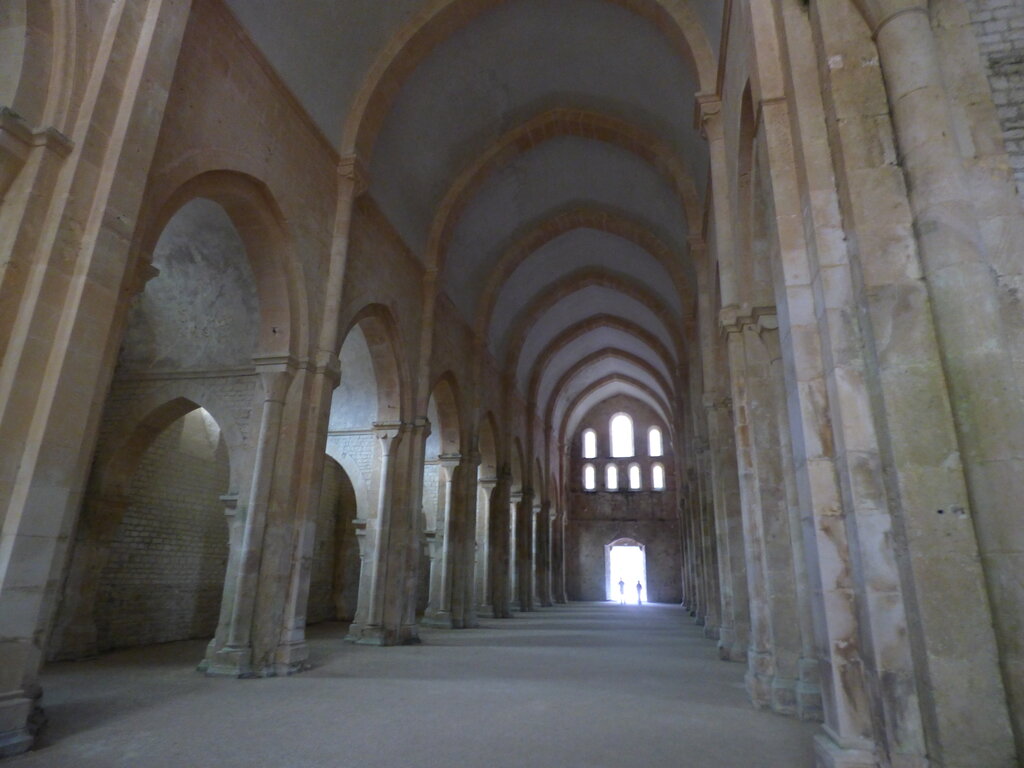
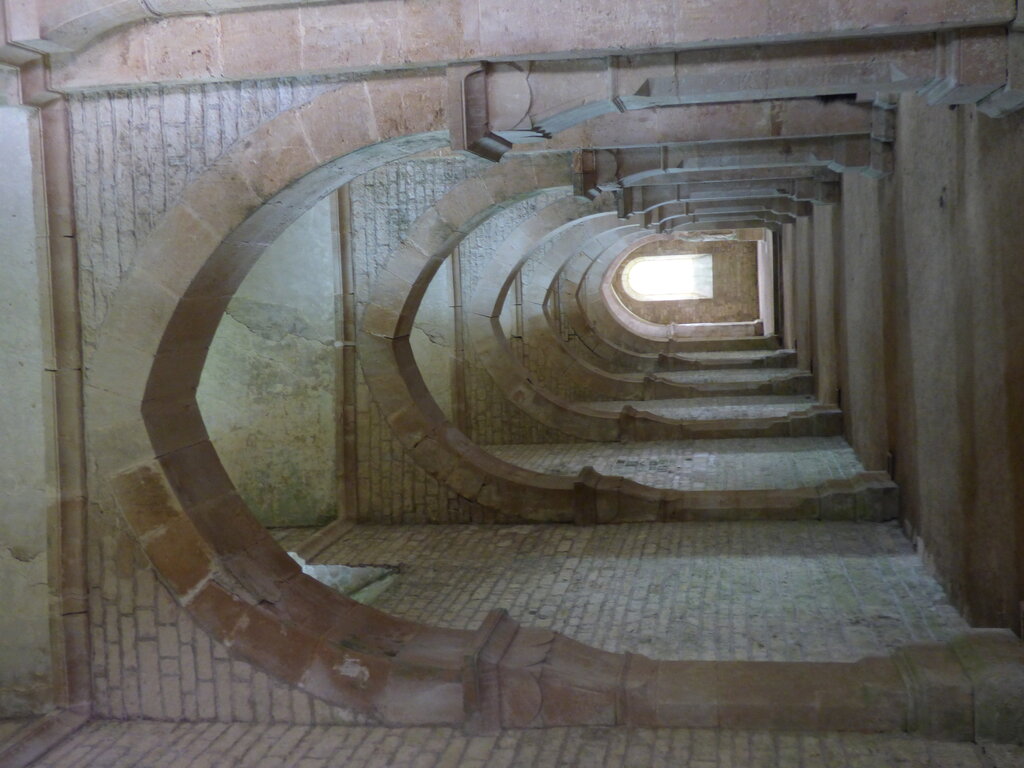
Romanesque architecture is known for its massive quality, thick walls, sturdy piers, and rounded arches. These buildings feel solid, grounded, and permanent—a direct response to the turbulent centuries that preceded them. They were built to last, symbolizing God's eternal kingdom on Earth.
The Age of Monasteries
Much of this building boom was driven by the Church, particularly by the growing power and wealth of monasteries. In a largely illiterate society, monasteries were the centers of learning, commerce, and spiritual life. They were stable islands in a sea of feudal conflict.
This period also saw a surge in religious pilgrimage. Christians traveled hundreds of miles to visit sacred sites and venerate the relics of saints. This influx of visitors created a practical need for much larger churches. New designs were required to accommodate large congregations and guide the flow of pilgrims through the space without disturbing the monks' daily services.
A Fusion of Traditions
Romanesque was not a sudden invention. It was a rich blend of different artistic traditions, combining older forms with new innovations and local flavors. The style varied across Europe, but its core ingredients remained consistent.
The most significant influence was, of course, Roman. Builders adopted the rounded arch, the thick stone walls, and the barrel vault. From the Carolingian and Ottonian empires (in modern-day France and Germany), Romanesque artists inherited the tradition of monumental sculpture and the ambition to revive Roman grandeur. Byzantine art contributed a sense of formal, hierarchical composition and a richness in decoration, especially in mosaics and paintings. Finally, local Germanic and Celtic traditions added their own dynamic, abstract, and often intricate decorative patterns to stone carvings and illuminated manuscripts.
This fusion created a style that was both backward-looking and entirely new—a powerful expression of a Europe finding its voice.