Roman Margins and Jesus' Counter-Narrative
Roman Social Hierarchy
The Roman Social Pyramid
Roman society was built on a rigid hierarchy. A person's place in this structure determined their legal rights, economic opportunities, and even their daily interactions. It was a world of sharp divisions, where birth and status defined nearly everything. At the top were the citizens, but even they were split into distinct classes. Below them were former slaves, and at the very bottom, a massive population of enslaved people who were considered property.
The Citizen Divide
From the Republic's earliest days, Roman citizens were divided into two main groups: the patricians and the plebeians.
The patricians were the aristocracy. They were members of a small number of wealthy, land-owning families who traced their ancestry to the founding of Rome. For centuries, they held exclusive rights to the highest political offices and most important religious priesthoods. Their power was inherited and deeply entrenched.
The plebeians, or plebs, were everyone else. This was an incredibly diverse group, ranging from wealthy merchants and skilled artisans to poor farmers and urban laborers. Though they were citizens, they initially had little say in government. This inequality led to a long struggle known as the "Conflict of the Orders," where the plebeians gradually won crucial rights, such as the power to elect their own officials (tribunes) and the codification of Roman law in the Twelve Tables.
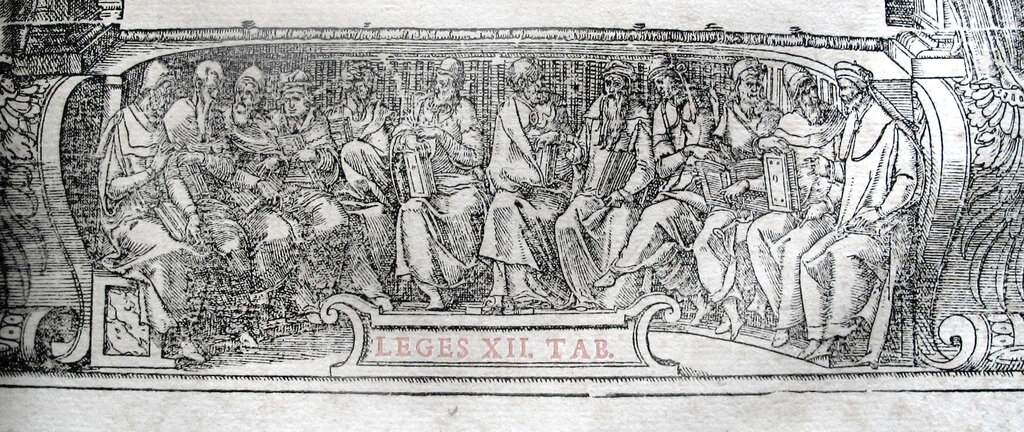
While plebeians gained legal equality, a vast social and economic gap remained. Patrician families continued to dominate politics and owned enormous agricultural estates, or latifundia. Wealthy plebeians could certainly achieve success and influence, but for the vast majority, life was a struggle for subsistence with little hope of upward mobility.
Beyond Citizenship
A huge portion of the Roman population were not citizens at all. At the very bottom of the social ladder were the slaves. In the Roman world, slaves were not considered people; they were property (res), with no legal rights. They could be bought, sold, beaten, or killed by their owners. Most slaves were captives from Rome's many wars, but people could also be born into slavery or be enslaved for debt.
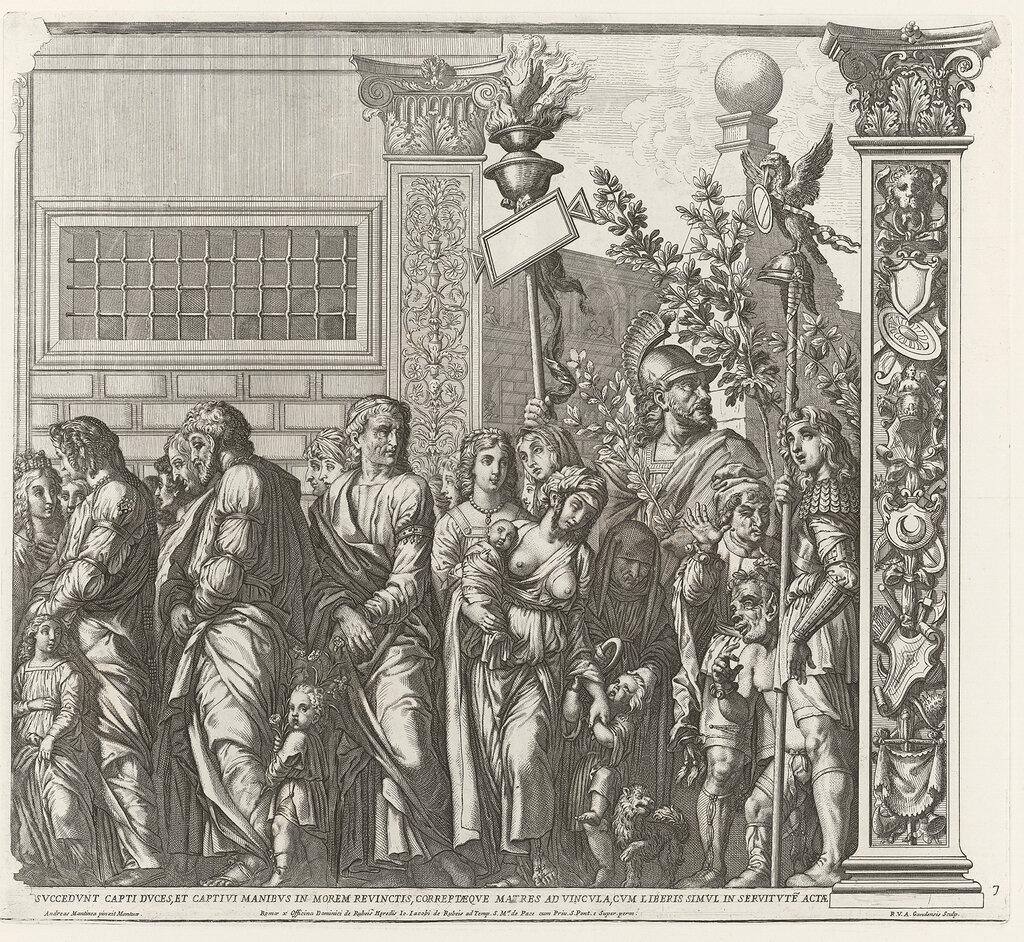
Slaves performed every kind of labor imaginable. They toiled in mines and on farms, served in households, worked as craftsmen, and were even forced to become gladiators. The Roman economy was utterly dependent on their labor.
Yet, slavery wasn't always a permanent condition. Slaves could be granted freedom by their owners through a process called manumission. Once freed, they became liberti, or freedmen. Freedmen occupied a curious middle ground. They were no longer property and could conduct business and own land, but they were not full citizens. They couldn't hold high office, and they often remained obligated to their former masters. However, their children born after they were freed would be full Roman citizens, making manumission a vital, if slow, path to social advancement.
A Woman's Place
A woman's place in Roman society was determined by the status of the men in her life, first her father and then her husband. Women were citizens, but this citizenship did not grant them a public voice. They could not vote or hold political office.
Despite these restrictions, Roman women were not powerless. Unlike in some other ancient societies, they could own property, inherit wealth, and run businesses. An aristocratic woman was expected to manage a large and complex household, overseeing slaves and finances. The ideal Roman woman was the matrona, a respected figure known for her loyalty, modesty, and dedication to her family.
Of course, the reality of a woman's life varied greatly with her social class. While a wealthy woman might wield considerable influence from behind the scenes, a poor woman would have worked long hours alongside her family, just to get by. Regardless of wealth, a woman's primary social value was tied to her role as a wife and mother, responsible for producing legitimate heirs to continue the family line.
Every person in the Roman world knew their place. The lines between patrician and plebeian, free and slave, man and woman, were clearly drawn and shaped every aspect of Roman life.
In the early Roman Republic, what was the primary distinction between the patricians and the plebeians?
What was the legal status of an enslaved person in Roman society?
This rigid social order formed the bedrock of the Roman world. It was a system built on inherited privilege, legal inequality, and economic exploitation.