Roman Empire Chronological History
Augustan Principate
The First Citizen
When Octavian returned to Rome after his victory at the Battle of Actium in 31 BCE, he was the undisputed master of the Roman world. Decades of civil war had ended, but a deep-seated hatred of kingship remained. To avoid the fate of his great-uncle, Julius Caesar, Octavian couldn't simply declare himself a monarch. Instead, he crafted a sophisticated political illusion: the Principate. He presented himself not as a king, but as the Princeps, or "first citizen," a leader who guided the state while respecting its traditional forms.
He carefully restored the outward appearance of the Republic while secretly concentrating all real authority in his own hands.
The Settlements of Power
This new political order was established through two key constitutional settlements. The First Settlement in 27 BCE was a masterful piece of political theatre. Octavian formally returned all his powers to the Senate and people of Rome, declaring the Republic restored. In gratitude for ending the civil wars, the Senate bestowed upon him the honorific title Augustus and, crucially, granted him proconsular authority over a massive province that included Spain, Gaul, and Syria. This gave him command of the majority of Rome's legions.
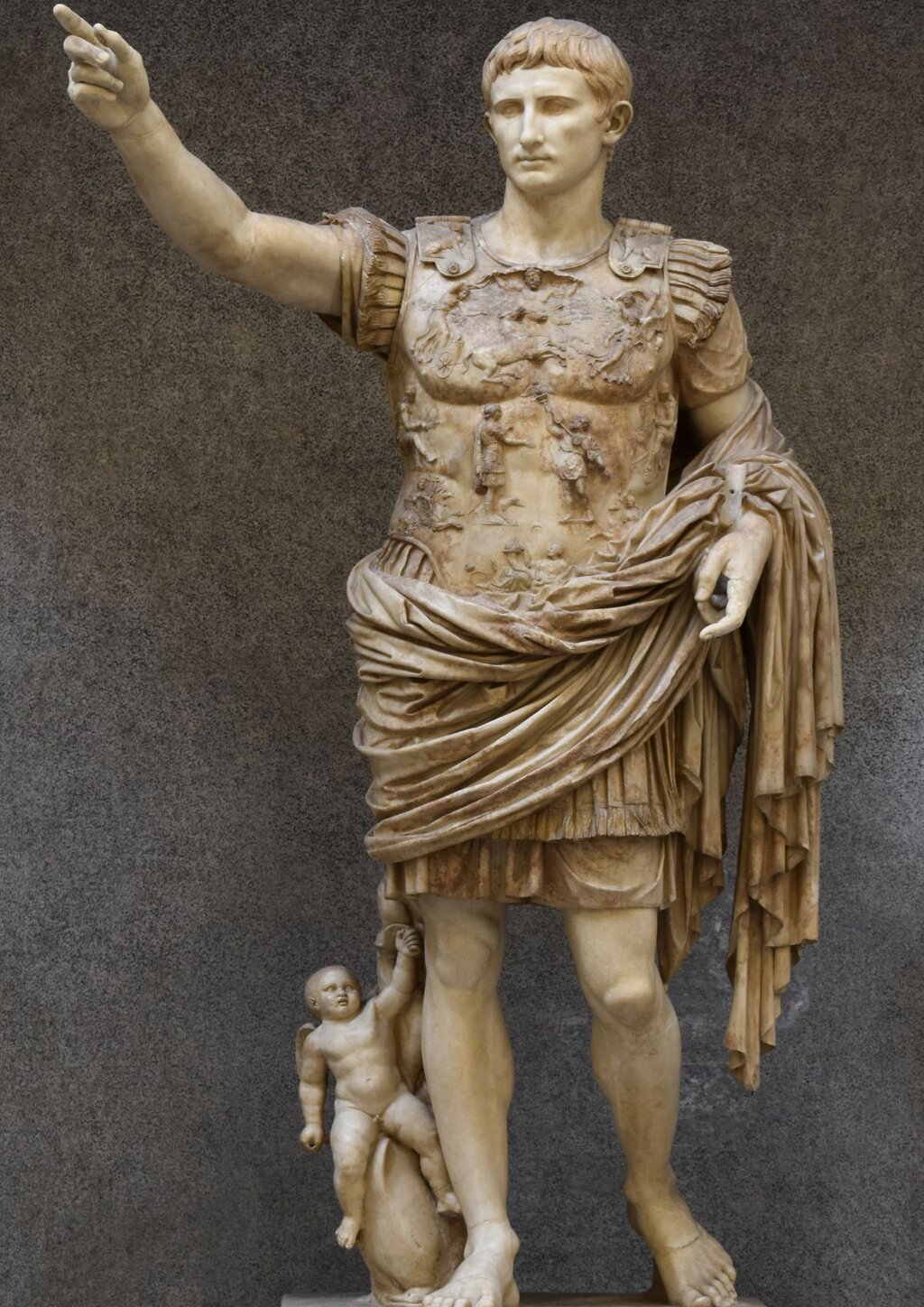
The Second Settlement of 23 BCE refined his position. After a bout of serious illness, Augustus gave up the consulship, which he had held continuously. In its place, he was granted two significant powers for life: imperium proconsulare maius and full tribunicia potestas. The former made his proconsular authority superior to that of any other governor, giving him ultimate military command everywhere. The latter, tribunician power, was his masterstroke. It gave him the authority to convene the Senate, propose legislation, and veto the actions of other magistrates, all within the city of Rome itself. He now held the powers of a consul without needing to hold the office, maintaining the illusion of a functioning Republic.
Forging an Empire
With his power secured, Augustus initiated a series of sweeping reforms that transformed the Roman state. He created a professional, standing army loyal to the emperor, not to individual generals. Soldiers served for long terms, typically 20 years for legionaries, and received a standard salary and retirement bonus from a state treasury, the aerarium militare. This professionalisation ended the cycle of ambitious generals using their private armies to vie for power.
| Reform | Republic Era (Pre-Augustus) | Augustan Principate |
|---|---|---|
| Army Allegiance | Loyalty to individual generals | Loyalty to the Emperor and State |
| Military Service | Citizen-militia, often conscripted | Long-term professional volunteers |
| Soldier Pay | Irregular, often dependent on spoils | Fixed salary and retirement bonus |
| Officer Corps | Political appointments, part of cursus honorum | Professional career path under the Emperor |
Augustus also established a permanent, salaried civil service to manage the empire. Posts were filled based on skill and experience rather than solely on birth, creating a new class of administrators from the equestrian order. This bureaucracy made tax collection more efficient and governance more stable across the provinces. At home in Rome, he established the Praetorian Guard as his personal bodyguard, the only significant military force permitted in Italy.
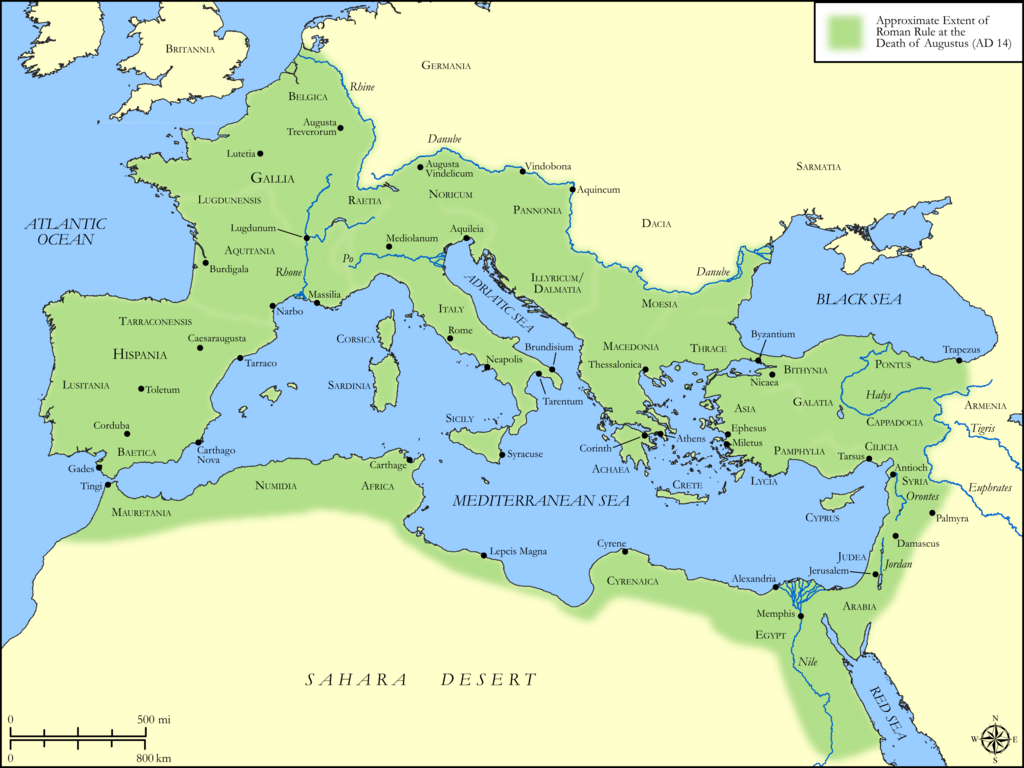
Beyond administrative changes, Augustus enacted social legislation aimed at restoring traditional Roman morality, which he believed had decayed during the late Republic. Laws were passed to encourage marriage, reward families with children, and penalise adultery and extravagance. These reforms, while not always popular or effective, demonstrated his ambition to be not just a political leader, but a social and moral reformer. His long reign ushered in an unprecedented era of stability and prosperity known as the ('Roman Peace').
Through these political, military, and social reforms, Augustus laid the foundations for an imperial system that would last for centuries. He successfully disguised a monarchy as a republic, creating a durable model of autocratic rule that future emperors would build upon.