Roman Chariots and the Circus Maximus
Origins of Chariot Racing
From Funeral to Festival
Long before it became a spectacle in the Roman Circus Maximus, chariot racing was a solemn tribute to the dead. In ancient Greece, the earliest races were part of funeral games held to honor fallen heroes. The most famous example comes from Homer's epic poem, the Iliad, where the warrior Achilles stages a series of athletic contests, including a thrilling chariot race, to commemorate his beloved companion, Patroclus.
These events weren't just about competition. They were a way for the living to celebrate the life and status of the deceased, channeling grief into a display of skill, courage, and aristocratic honor. The chariot, a powerful instrument of war, became a symbol of prestige and heroic virtue in peacetime.
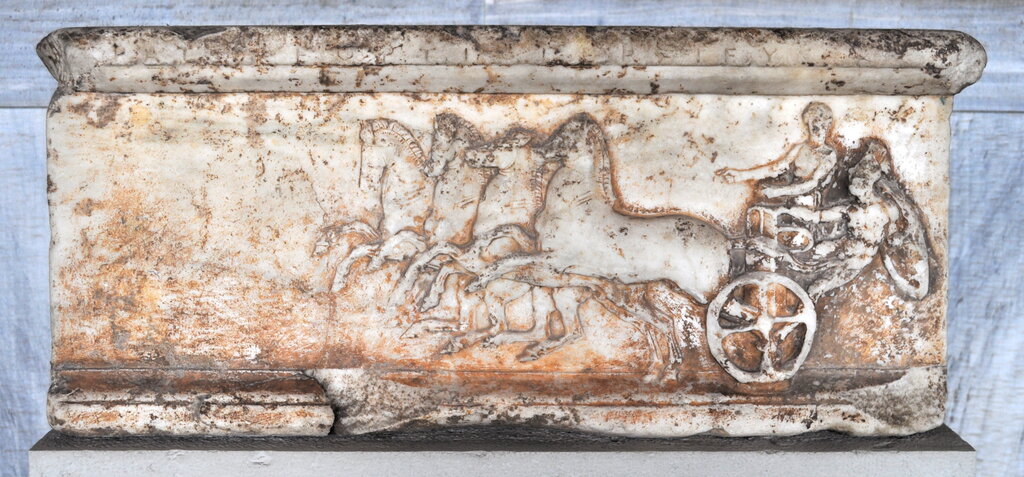
Over time, chariot racing moved beyond funerals and became a centerpiece of major religious festivals, like the Olympic and Panathenaic Games. For the Greeks, these were deeply sacred occasions. Winning a chariot race brought immense prestige not just to the driver but to the owner of the horses and chariot, who was often a wealthy aristocrat or even a city-state ruler. A victory was seen as a sign of divine favor, a public demonstration of one's excellence and piety.
The Roman Adaptation
The Romans borrowed many cultural practices from the Greeks, and chariot racing was no exception. The tradition likely arrived in Rome through the Etruscans, an early civilization in Italy that was heavily influenced by Greek culture. However, the Romans didn't just copy the Greeks; they made the sport entirely their own, embedding it deep within their own founding myths and religious life.
According to legend, Rome’s own founder, Romulus, used a religious festival in honor of the god Consus to stage the city's first horse races. This festival, the Consualia, was a distraction that allowed Roman men to abduct the Sabine women, ensuring the new city's survival. Whether true or not, the story permanently linked chariot racing to Rome's origins and its relationship with the gods.
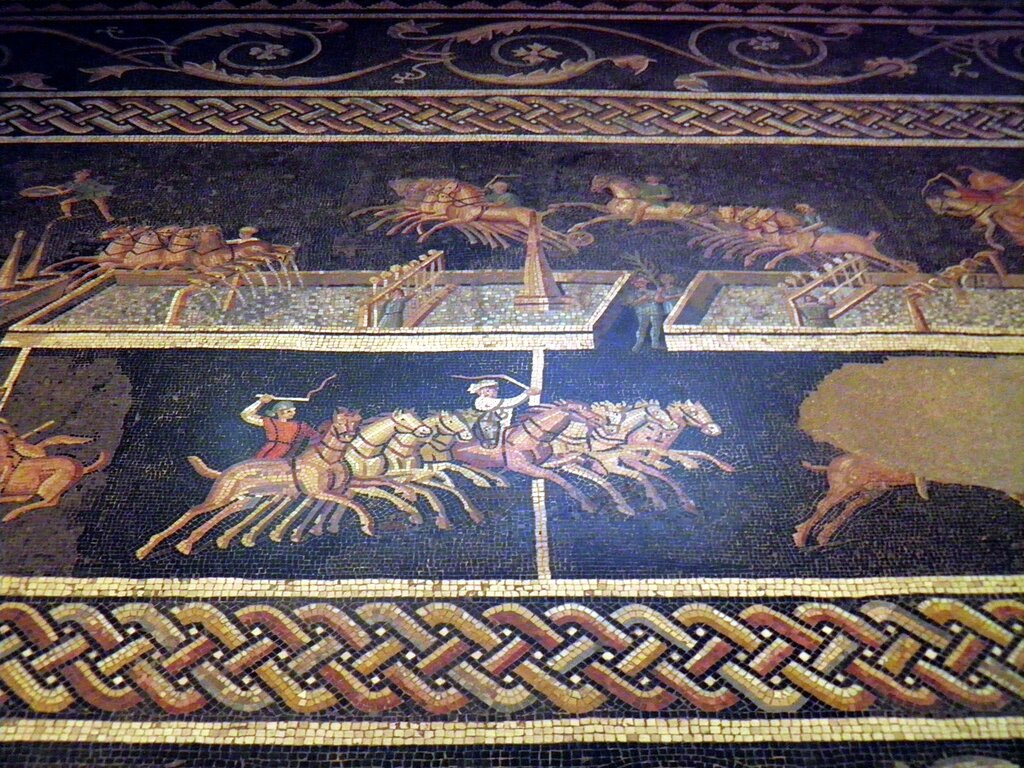
For the Romans, races known as ludi circenses (circus games) were primarily a religious observance. They were held on festival days to honor various deities, from Consus, the god of the granary, to Mars, the god of war. A successful race was a good omen, a sign that the gods were pleased with Rome and its people. The magistrate who sponsored the games would ride in a grand procession into the circus, dressed like a triumphant general and even embodying the god Jupiter himself for the day.
This fusion of religion, politics, and entertainment gave Roman chariot racing a unique and powerful significance. It was far more than just a sport; it was a ritual that reaffirmed social order, celebrated Roman power, and maintained the crucial bond between the city and its protective gods.
From a Greek funeral rite to a Roman religious spectacle, chariot racing was always more than a simple contest. It was a high-stakes performance of piety, power, and prestige.
Ready to test your knowledge of racing's ancient roots?
According to Homer's Iliad, Achilles staged a chariot race for what primary reason?
In ancient Greece, winning a chariot race at a major festival like the Olympics was primarily seen as a sign of what?
As these traditions evolved, the scale of the races grew, eventually becoming the massive, faction-driven spectacle that defined entertainment in the Roman Empire.