Roku Platform Architecture
Platform Architecture
The Lean Machine
At its core, Roku OS is a specialized flavor of embedded Linux. Unlike a general-purpose desktop OS, it's been meticulously stripped down to perform one primary function: streaming video efficiently. This minimalist philosophy is driven by the hardware it runs on. Roku devices are engineered to be low-cost and power-efficient, which means they operate with limited memory (RAM) and storage (flash).
The entire Roku OS can fit into a flash footprint of less than 100MB. This is achieved by removing components common in other systems, like complex desktop environments or support for a wide range of peripherals. The focus is razor-sharp: deliver a smooth, high-performance video experience on inexpensive hardware. This contrasts sharply with systems designed for more powerful, multi-purpose devices.
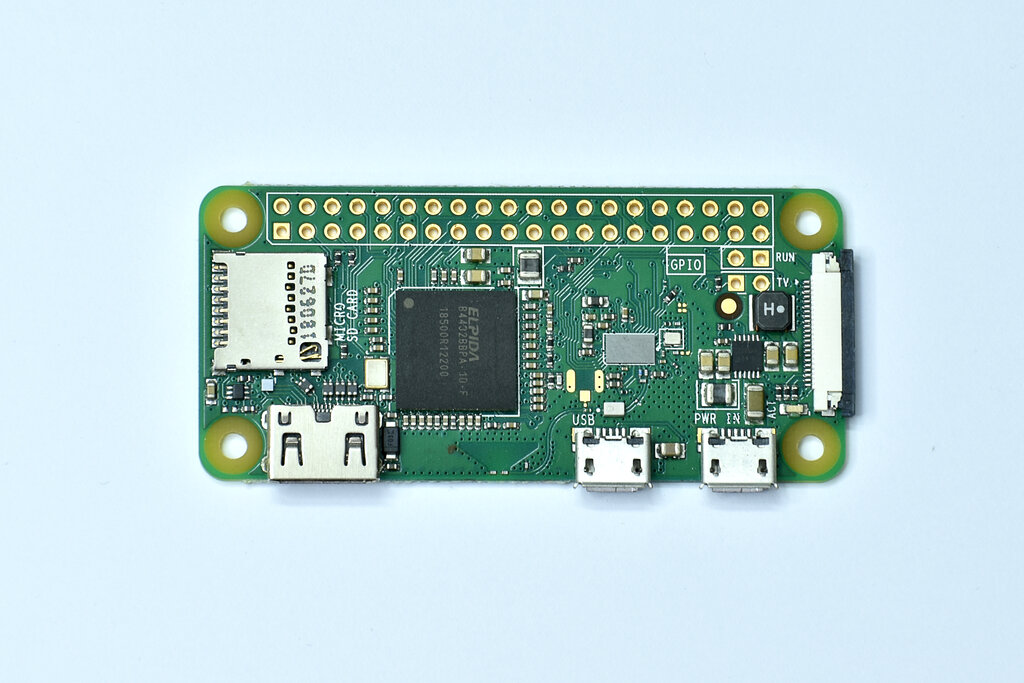
Hardware, Meet Software
The foundation of Roku OS is the Linux kernel. Depending on the device's generation, you might find it running on a kernel from the 2.4, 4.x, or even 5.x series. This kernel doesn't communicate with the hardware directly in a generic way. Instead, it relies on a provided by the System-on-a-Chip (SoC) vendor. The BSP acts as a specific hardware abstraction layer, containing the necessary drivers and configurations for that particular chipset's video decoders, network interfaces, and other components.
This approach allows Roku to bypass the overhead associated with a translation layer like the Java Virtual Machine (JVM) used in Android TV. By compiling applications directly for the hardware, performance is maximized. Roku OS employs a architecture. This means the core OS services and device drivers all run in the same privileged space. While this can make the system less modular than a microkernel design, it offers significant performance advantages by reducing the overhead of communication between different system components.
A Tale of Three Platforms
Understanding Roku's architecture is easiest when comparing it to its main competitors: Google's Android TV and Apple's tvOS. Each platform makes different trade-offs between performance, flexibility, and hardware cost.
| Feature | Roku OS | Android TV | tvOS (Apple TV) |
|---|---|---|---|
| Base OS | Embedded Linux | Android (Linux-based) | Darwin (Unix-like) |
| Runtime | Native (BrightScript) | Android Runtime (ART) | Native (Swift/Objective-C) |
| Typical Footprint | Very Small (< 100MB) | Large (Several GBs) | Large (Several GBs) |
| Hardware Focus | Low-cost, efficient | Mid to high-range | High-range, premium |
Android TV runs a full version of the Android operating system, complete with the Android Runtime for executing apps. This provides great flexibility for developers familiar with the Android ecosystem but requires significantly more powerful and expensive hardware to run smoothly. Similarly, tvOS is a derivative of iOS, bringing a rich, well-established development environment but tethering it to Apple's premium, high-margin hardware.
Roku's strategy is clear: sacrifice the general-purpose capabilities of its competitors to deliver an optimized, cost-effective streaming appliance.
This lean, integrated model is the secret to how a $50 Roku stick can often feel just as responsive for streaming video as a device costing three or four times as much. The entire system, from the hardware to the operating system to the applications, is built around a single, unified goal.
What is the primary reason Roku OS is designed to be so minimalist?
The set of drivers and configurations that allows the Roku OS kernel to communicate with the specific hardware of a System-on-a-Chip (SoC) is called the:
This specialized architecture defines what's possible on the platform and shapes the entire development experience.