Rocketry and Scramjet Propulsion Systems
Hybrid Engine Dynamics
The Hybrid Approach
Solid and liquid-propellant rockets have dominated spaceflight, but each has its trade-offs. Solid rockets are simple and powerful but can't be throttled or shut down. Liquid rockets are efficient and controllable but are mechanically complex. A hybrid rocket engine offers a compromise, combining a solid fuel with a liquid or gaseous oxidizer.
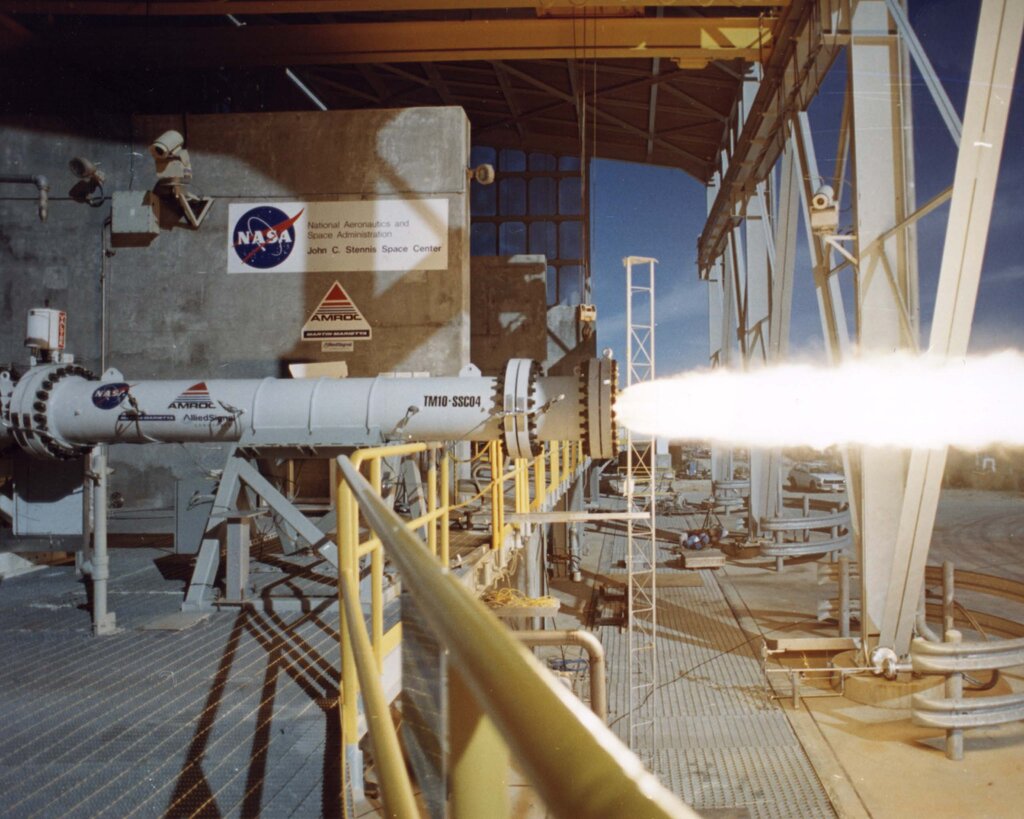
In a typical hybrid design, a tank of liquid oxidizer is connected to a combustion chamber packed with a solid fuel grain. To start the engine, a valve opens, and the oxidizer flows into the chamber, where it is ignited. The fuel itself doesn't burn like a candlewick. Instead, the combustion happens just above the fuel's surface in a process governed by a a thin zone where the vaporized fuel and gaseous oxidizer mix and react.
Controlling the Burn
The speed at which the solid fuel surface recedes is called the regression rate. Unlike in a solid rocket where the burn rate is set by the propellant chemistry, a hybrid's regression rate is limited by how fast heat can be transferred from the flame back to the fuel. More heat means more fuel vaporizes (a process called pyrolysis), which can then react with the oxidizer. This heat transfer, and thus the regression rate, is strongly influenced by the mass flow of the oxidizer. The relationship is often modeled empirically.
This relationship is the key to a hybrid's main advantage: throttlability. By adjusting the valve that controls oxidizer flow, you directly control the regression rate and, therefore, the engine's thrust. This allows for in-flight adjustments, shutdowns, and restarts, a level of control impossible with solid rockets.
Practical Trade-Offs
The choice of propellants is critical. Common solid fuels include (hydroxyl-terminated polybutadiene), the same rubbery polymer used as a binder in many solid rockets, and paraffin-based waxes. Paraffin has a much higher regression rate, which helps overcome one of a hybrid's main drawbacks: lower thrust compared to solid motors of the same size. For oxidizers, liquid oxygen (LOX) and nitrous oxide (N₂O) are frequent choices.
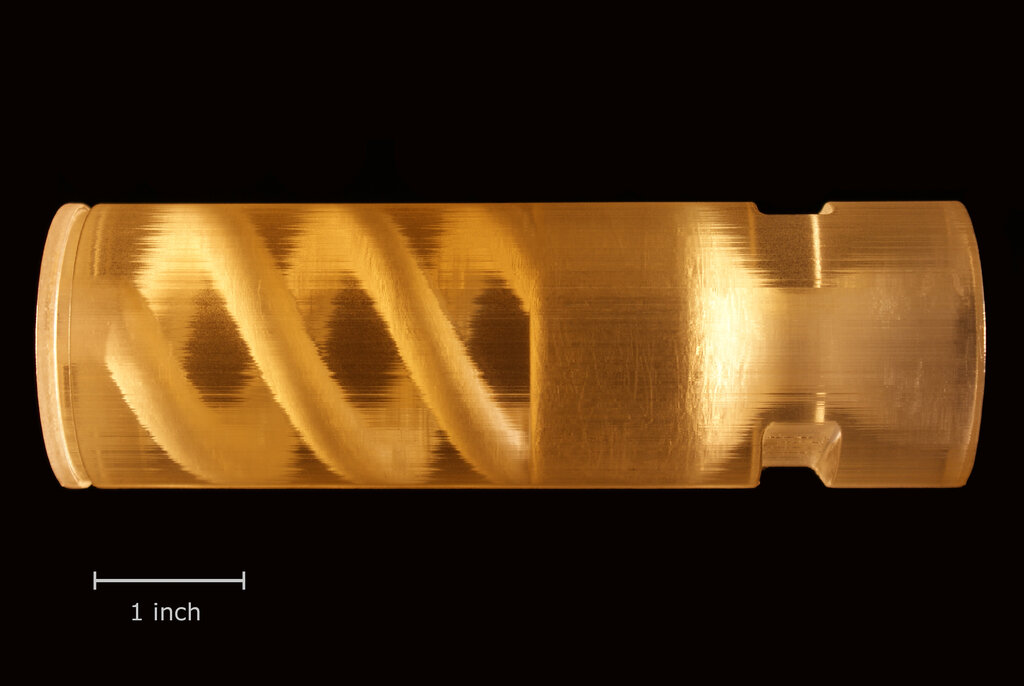
Safety is a huge advantage. Because the fuel and oxidizer are in different states and stored separately, they can't accidentally mix and ignite. The solid fuel grain is largely inert and can be handled safely without the explosive risk associated with solid rocket segments.
However, hybrids are not without problems. Regression rates are often lower than desired, leading to less efficient combustion and lower thrust density. Another issue is the potential for a This dangerous surge happens if the oxidizer is allowed to pool in the combustion chamber before ignition, leading to a sudden, violent over-pressurization when the engine finally lights.
Ultimately, the hybrid engine represents an engineering trade-off. It sacrifices the simplicity of a solid rocket and the high performance of a liquid engine for a unique combination of safety and control. As designers seek more flexible and safer propulsion systems for everything from sounding rockets to high-speed atmospheric vehicles, the hybrid continues to be a compelling area of research and development.
What is the fundamental design principle of a hybrid rocket engine?
How is the thrust of a hybrid rocket engine controlled or "throttled"?