Robotics Perception Engineering Explained
Introduction to Perception Engineering
What Robots See
A robot, whether it's a car driving itself or a machine sorting packages, is blind without a way to understand the world around it. It can't navigate a room, pick up an object, or avoid a collision if it doesn't know what's there. This is where perception engineering comes in. It’s the science of giving robots senses, much like our own, to interpret their environment.
Perception is the first step toward intelligent action. A robot has to see the world before it can do anything useful in it.
This field isn't just about plugging in a camera. It's about designing a system that can take raw data from the environment—light, sound, radio waves—and turn it into meaningful information. This allows the robot to build a mental map of its surroundings, identify objects, and track movement.
A Robot's Senses
Just as humans use a combination of sight, hearing, and touch, robots rely on a suite of electronic sensors. Each one has unique strengths and weaknesses, and they are often used together to create a more complete picture.
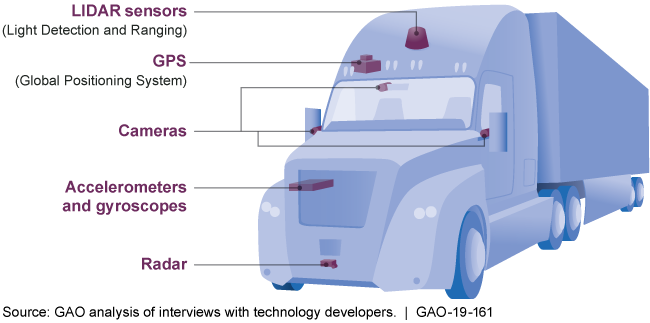
The three most common types of sensors in robotics are cameras, LiDAR, and radar.
Cameras are the eyes of the robot. They capture visual information, just like a digital camera, providing rich detail about color, texture, and shape. This makes them great for recognizing objects, reading signs, and identifying lane markings on a road.
LiDAR, which stands for Light Detection and Ranging, works like a bat's echolocation but uses pulses of laser light instead of sound. It measures how long it takes for the light to bounce back, creating a precise 3D map of the environment called a "point cloud." This is extremely useful for gauging distances and understanding the exact shape of nearby objects.
Radar (Radio Detection and Ranging) sends out radio waves. Like LiDAR, it measures the reflections to detect objects. While it provides less detail than LiDAR, radar has a major advantage: it works well in bad weather like rain, fog, and snow, conditions that can easily fool cameras and LiDAR. It's also excellent at measuring the speed of other objects.
Putting It All Together
A single sensor can be unreliable. A camera might be blinded by sun glare, or LiDAR might struggle with reflective surfaces. To build a robust system, engineers combine the data from multiple sensors in a process called sensor fusion. The robot’s brain takes the input from the camera, LiDAR, and radar and merges them into a single, more accurate model of the world.
For example, the camera might identify a pedestrian, LiDAR confirms their exact distance and shape, and radar tracks their speed. Together, they provide a much clearer picture than any single sensor could alone.
This integrated perception is critical in many industries. In aerospace, rovers on other planets use it to navigate treacherous terrain. Drones use it to inspect infrastructure and avoid obstacles. And in warehouse automation, robots rely on perception to find, pick up, and transport goods efficiently and safely.
What is the primary goal of perception engineering in robotics?
A self-driving car needs to detect the speed of other vehicles accurately, especially in rainy or foggy conditions. Which sensor is best suited for this specific task?